Jacksonville Hits 93 Degrees in March, Shattering Earliest 90-Degree Record
Jacksonville shattered its earliest-ever 90-degree record on March 26, hitting 93°F and blowing past the old benchmark of 86 in WLDS data stretching back to 1927.
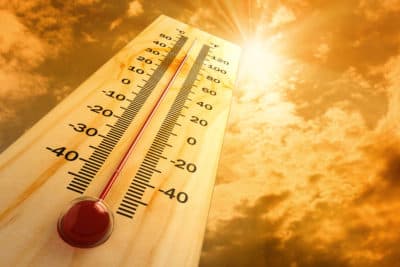
A temperature of 93 degrees on March 26 rewrote nearly a century of Jacksonville weather history, pushing the city past its previous earliest-ever 90-degree threshold of 86 degrees by a margin wide enough to make meteorologists take notice. WLDS, whose station records stretch back to 1927, confirmed no day in the first three months of any prior year had ever reached 90 or above in that dataset, making this week's reading not a close call but a clean sweep of the historical benchmark.
The seven-degree gap between the old record and the new one matters as much as the number itself. Creeping past 86 would have been a footnote; landing at 93 in late March puts Jacksonville in midsummer territory two and a half months early, and the consequences ripple well beyond the thermometer.
For Morgan County farmers, the timing carries real risk. Illinois Extension has documented how sudden late-winter warmth pulls fruit trees and early crops out of dormancy ahead of schedule, leaving buds and blossoms exposed to the freeze events that regularly follow warm spells through mid-April. Growers with peach, apple, or pear orchards near Jacksonville faced that exact dilemma this week: a heat surge that accelerates bud break, followed by the near-certainty of below-freezing nights before the season is truly safe.
Residents felt the shift in more immediate ways. Air conditioning systems that typically sit idle until May were running full bore mid-week, driving up household electricity demand during a period when most utility billing cycles and home HVAC systems are still calibrated for heating season. High-school spring sports practices, outdoor graduation preparations, and the early rounds of youth baseball all collided with conditions more typical of July than the last week of March.
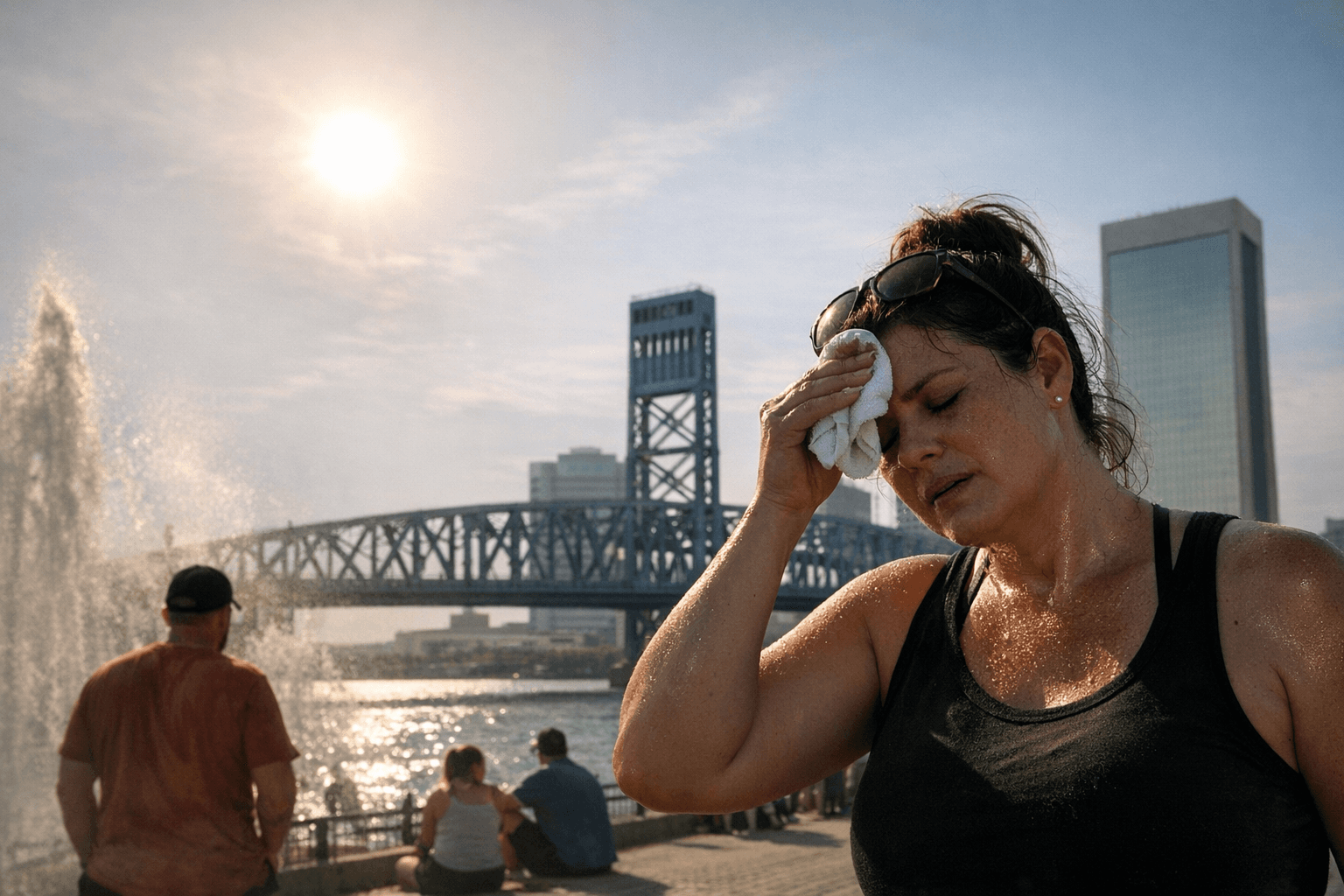
The heat is also a direct health concern for outdoor workers in construction, landscaping, and agriculture, as well as for elderly residents whose homes may not yet be equipped for summer temperatures. Heat illness can develop quickly when the body has not had weeks of gradually warming weather to adjust, and Morgan County's older housing stock means some residents are managing without central air entirely. Cooling options include the Jacksonville Public Library at 201 W. College Ave. and the Morgan County Health Department at 370 N. Sandy Creek Drive, both of which can serve as daytime refuges during any subsequent heat events this spring.
Jacksonville's record sits within a broader regional pattern: Quincy and communities across west-central Illinois registered their own March heat records during the same late-March heat dome, and Yale Climate Connections documented at least 14 states setting all-time statewide March heat records during the event. A single station reading does not establish a long-term climate trend on its own, but WLDS data going back 99 years provides unusually deep local context, and nothing in that archive looks like March 26, 2026.
The National Weather Service advises anyone working outdoors to schedule strenuous activity for early morning, drink water before feeling thirsty, and watch for signs of heat exhaustion including heavy sweating, weakness, and nausea. The forecast for the coming days will determine whether this week's extreme becomes a brief anomaly or the opening act of a lengthier early-summer stretch.
This article was produced by Prism’s automated news system from verified source data, official records, and press releases, then run through automated quality and moderation checks before publishing. The system is built and supervised by the people who set the standards it runs under. Read our full AI policy.
Did this article answer your question?