Jacksonville launches Phase 1 of $30M lead line replacement
Jacksonville began Phase 1 of a $30 million program to replace lead water service lines, starting work on the northeast side to improve public health and comply with federal rules.
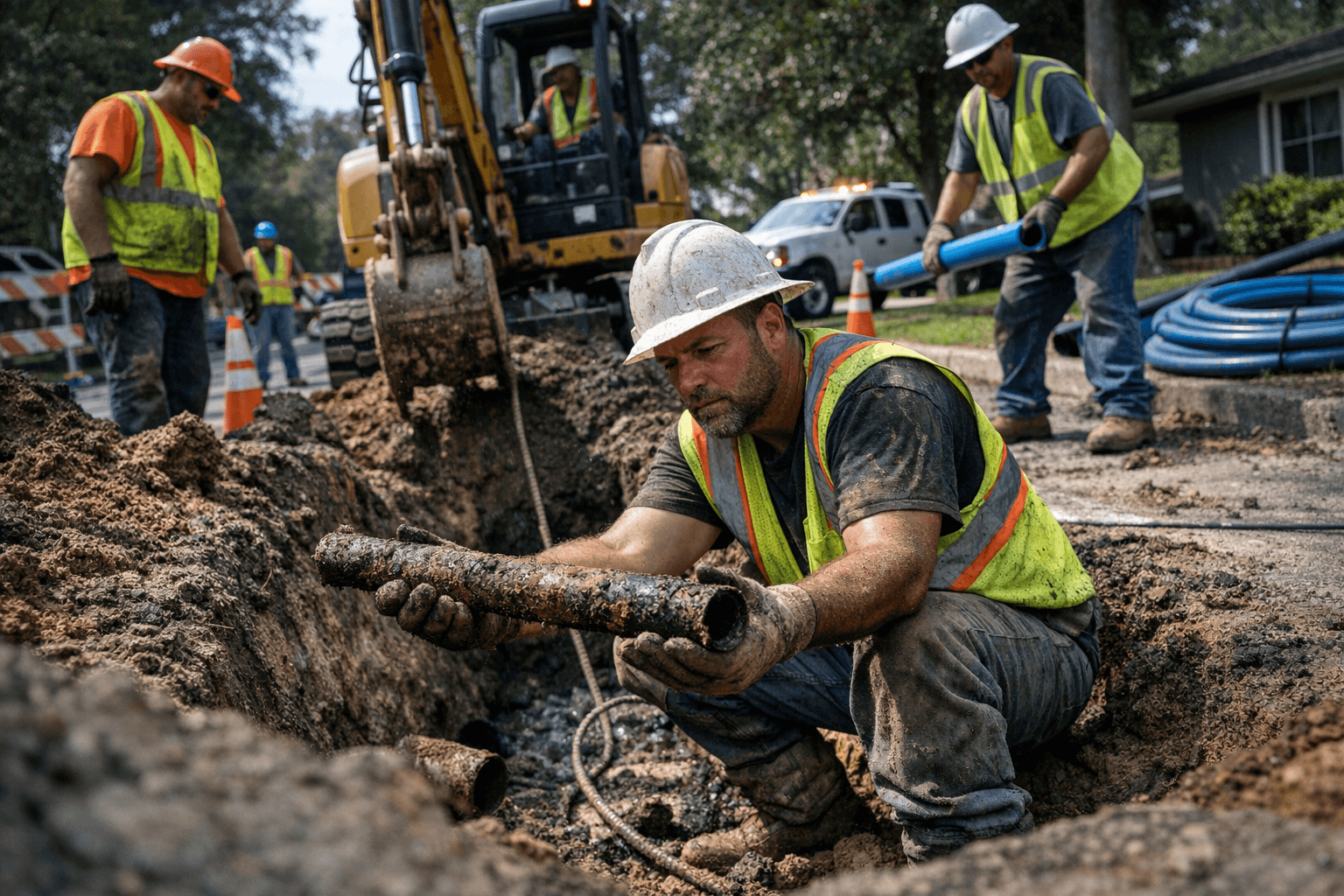
City leaders voted on Jan. 14 to move forward with Phase 1 of a decade-spanning, $30 million program to replace lead service lines, targeting about 245 connections on Jacksonville’s northeast side. The council authorized advertising bids for the first construction package as the city implements a 10-phase plan intended to comply with federal requirements for lead service line removal.
Phase 1 is financed with $3.9 million already lined up: a $2.4 million forgivable state grant and a $1.5 million zero-percent loan from the Environmental Protection Agency. Officials said construction could begin in May or June and that the phase is expected to take roughly one year to complete. The city reiterated that residents will not be charged for replacements.
City estimates currently place the total number of lead service lines in town at about 3,759, a figure officials caution may change as crews excavate and verify pipe materials at individual properties. Those field verifications are a routine but crucial part of the program; as crews dig, some service lines previously presumed to be lead may be confirmed as other materials, while other cases may reveal additional lead connections.
For residents in the northeast quadrant defined generally as east of North Main Street and north of East State Street, the immediate impact will include visible construction activity, temporary street and yard disruption, and scheduled water service interruptions as crews complete replacements. The finance structure for Phase 1, combining a forgivable grant with a 0% federal loan, reduces direct fiscal pressure on the city and ensures parties are not billed for in-home or curb-to-meter replacements during this phase.
The council also used its Jan. 14 meeting to conduct a pinning ceremony for five new police officers, signaling simultaneous investment in public safety as the city undertakes major infrastructure work.
The program’s scale and funding mix carry broader policy implications for Jacksonville and Morgan County voters. The plan reflects a coordinated use of state and federal funding to meet regulatory obligations while shielding residents from upfront costs. It also places a premium on transparent project oversight, accurate field verification of service-line materials, and clear public communication about construction timing and potential disruptions.
Next steps include public bid advertising, selection of contractors, and the start of fieldwork in late spring. As crews begin digging, the city’s running inventory of lead lines may change, influencing later phases and overall costs. Residents should watch city notices and council agendas for scheduling details and service-impact information as the program unfolds.
This article was produced by Prism’s automated news system from verified source data, official records, and press releases, then run through automated quality and moderation checks before publishing. The system is built and supervised by the people who set the standards it runs under. Read our full AI policy.
Did this article answer your question?