Miller seeks $5 million for Jacksonville wastewater plant upgrades
Miller asked Congress for $5 million to help Jacksonville modernize a plant that still handles 240 million gallons a month and serves both sides of the city.
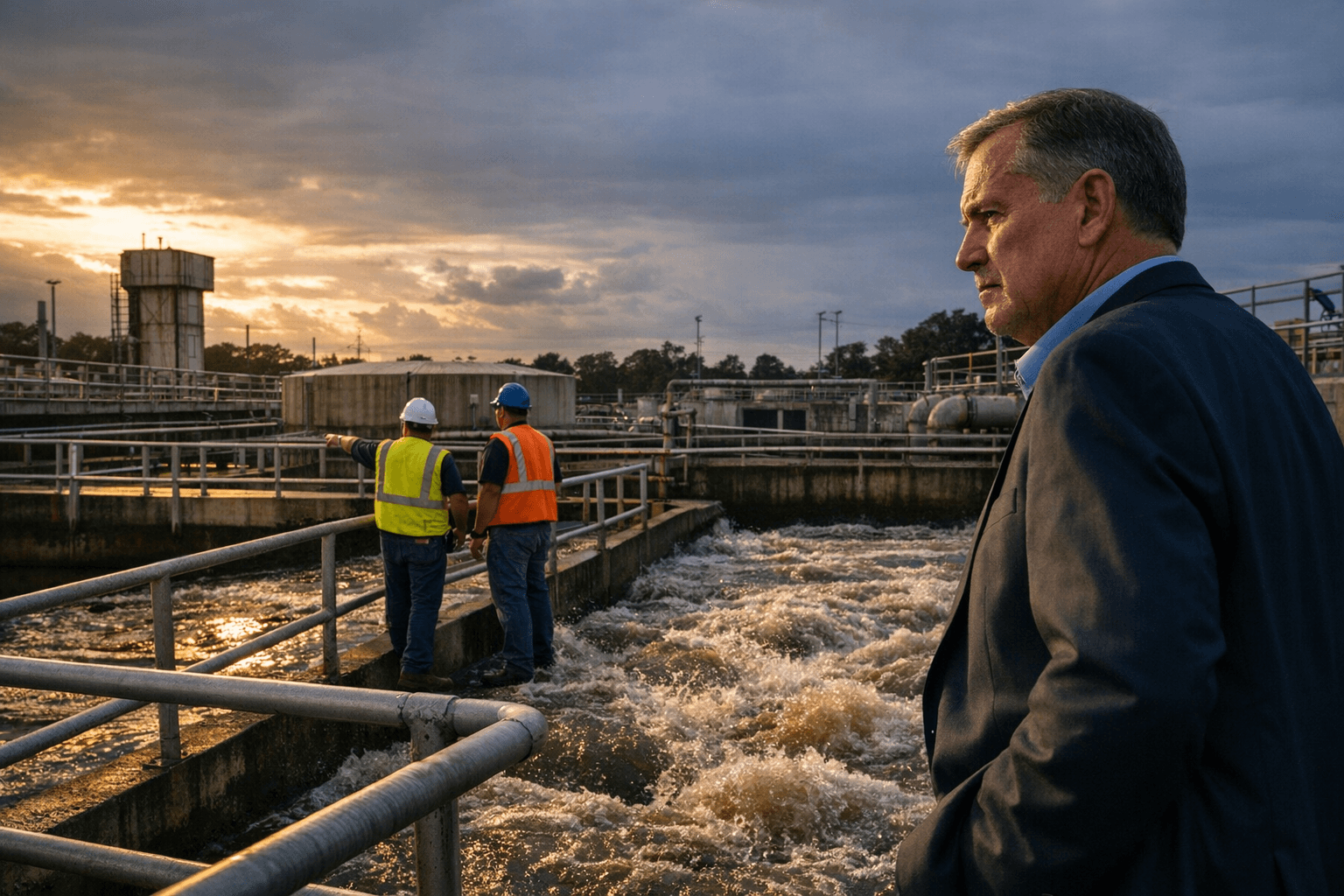
Jacksonville’s sewer system could get a major federal boost if Mary Miller’s $5 million request for Phase 2 wastewater plant upgrades makes it into the next budget cycle, a move that would matter most in the places residents notice first: service reliability, public health, and room for future growth.
The ask is only a request, not a guarantee. But it keeps the Jacksonville Wastewater Treatment Plant, at 1145 N. Main Street, squarely in the middle of a regional infrastructure debate that also touches Greene County and other west-central Illinois communities. For city leaders, that kind of federal help can mean the difference between stretching local rate revenue and tackling a costly project in stages.
Jacksonville’s system is not a small one. City utility information shows the plant began construction in 1988, was completed in June 1991, and its combined sewer overflow facilities were finished in July 1992. The system serves Jacksonville and South Jacksonville, treats an average of about 240 million gallons a month, and is built to handle 7.57 million gallons per day in dry weather and 15 million gallons per day in wet weather. During rain events, the combined sewer overflow system provides treatment for another 57.9 million gallons per day of storm water, while the city’s sewer network stretches across more than 90,000 linear feet of lines.
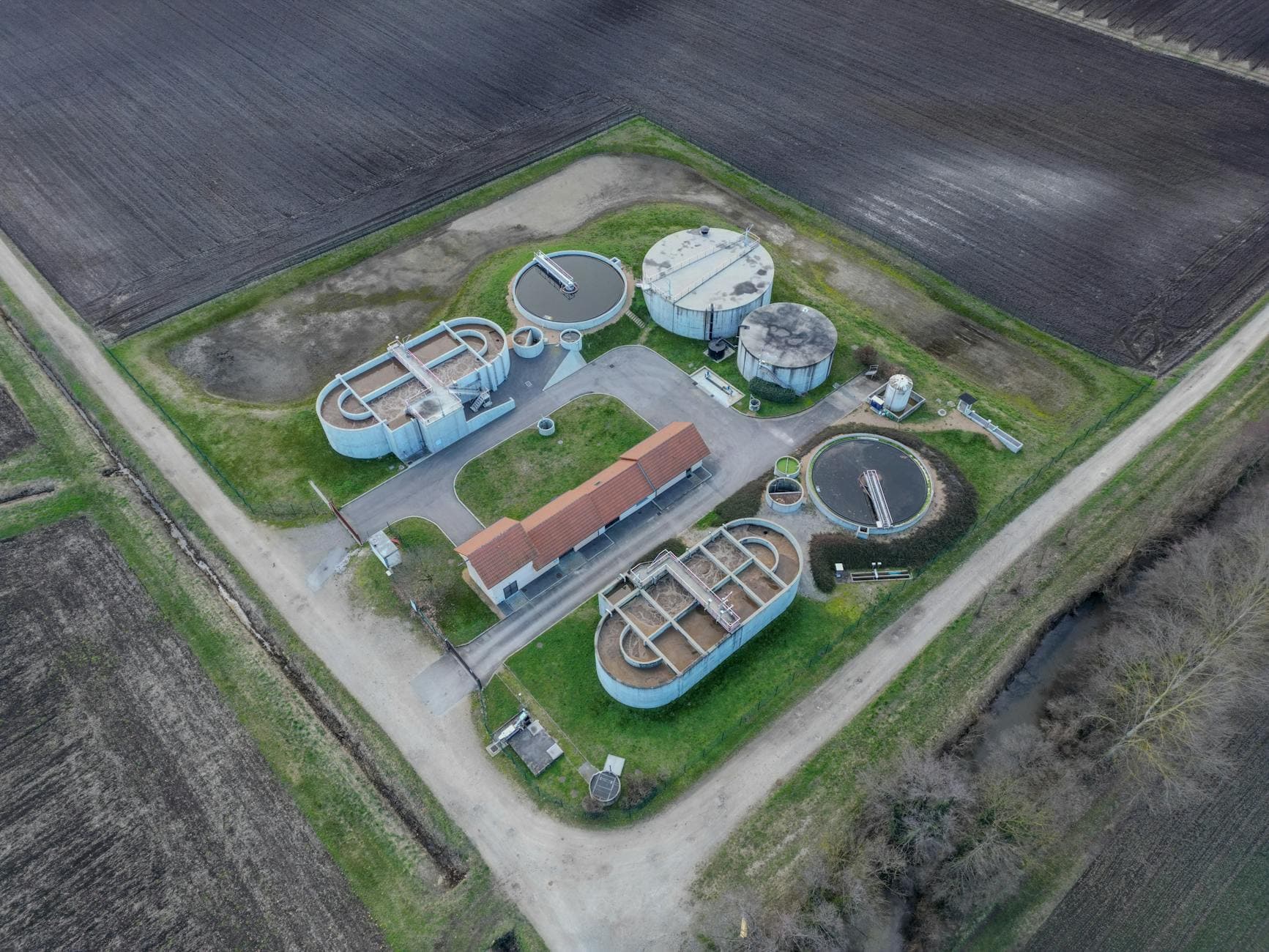
That scale helps explain why outside money matters. Jacksonville’s utility department says water and sewer service are funded by water and sewer rates, which makes large capital upgrades harder to cover without help. If the funding comes through, residents would be looking at a stronger chance of keeping the system reliable as older equipment ages, storms put more pressure on the lines, and the city continues to grow.
The request also fits the state’s broader wastewater priorities. The Illinois Environmental Protection Agency says its compliance strategy emphasizes sustained compliance, adequate operation and maintenance, sound local fiscal planning, and timely planning for future facilities. It also requires permits for new sewage treatment plants and for modifications to existing ones, underscoring how tightly regulated these projects are.
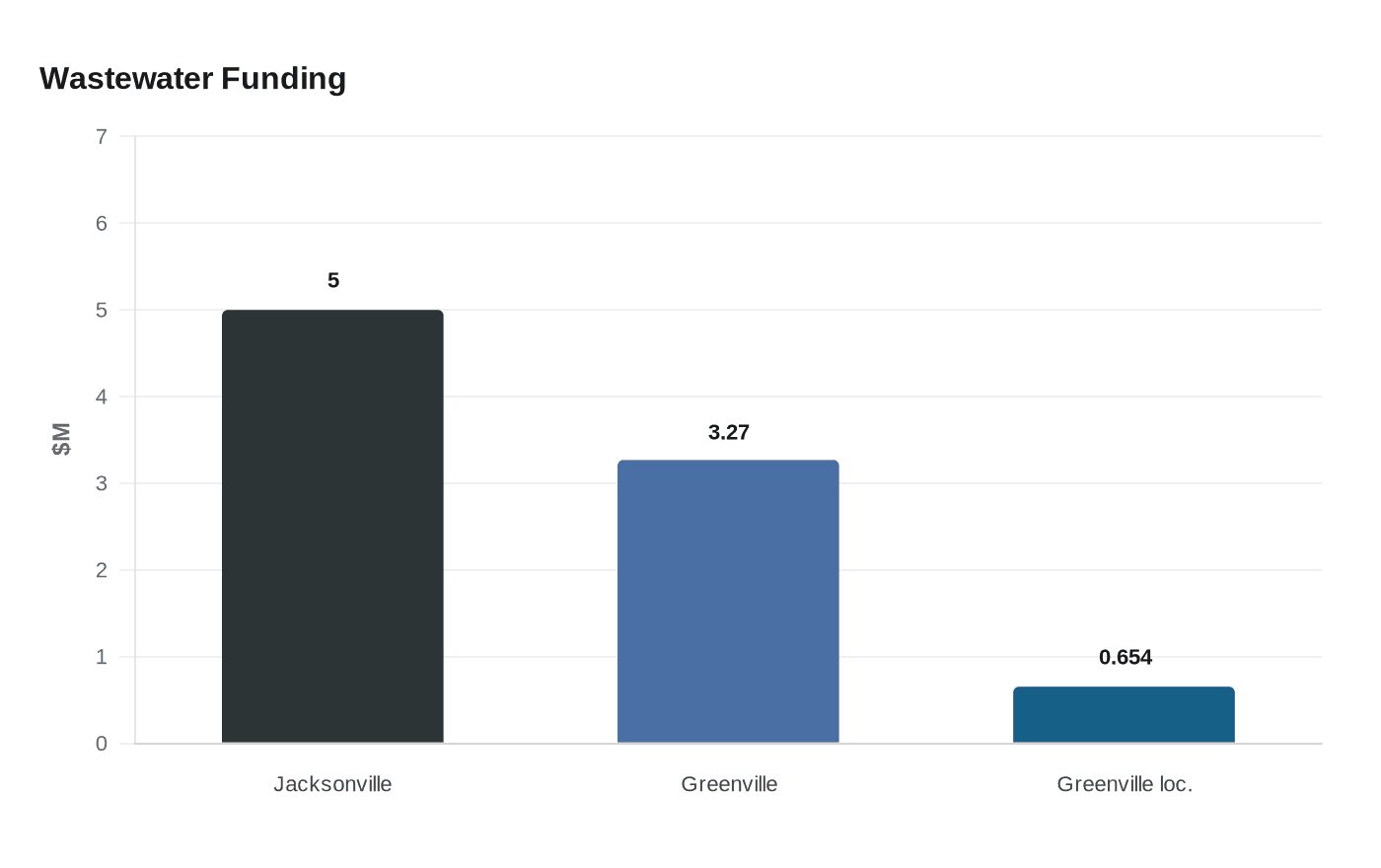
Jacksonville is not alone in making the pitch. In Greenville, officials said their wastewater plant, built in 1992, is also aging and needs Phase 2 improvements estimated at $3.27 million, with the city planning to contribute $654,000 from the sewer fund if federal dollars do not come through. For Morgan County, that comparison shows the same basic reality: these plants are expensive, they wear out slowly, and when federal money is on the table, cities treat it as a chance to stay ahead of costly breakdowns rather than chase them later.
This article was produced by Prism’s automated news system from verified source data, official records, and press releases, then run through automated quality and moderation checks before publishing. The system is built and supervised by the people who set the standards it runs under. Read our full AI policy.
Did this article answer your question?