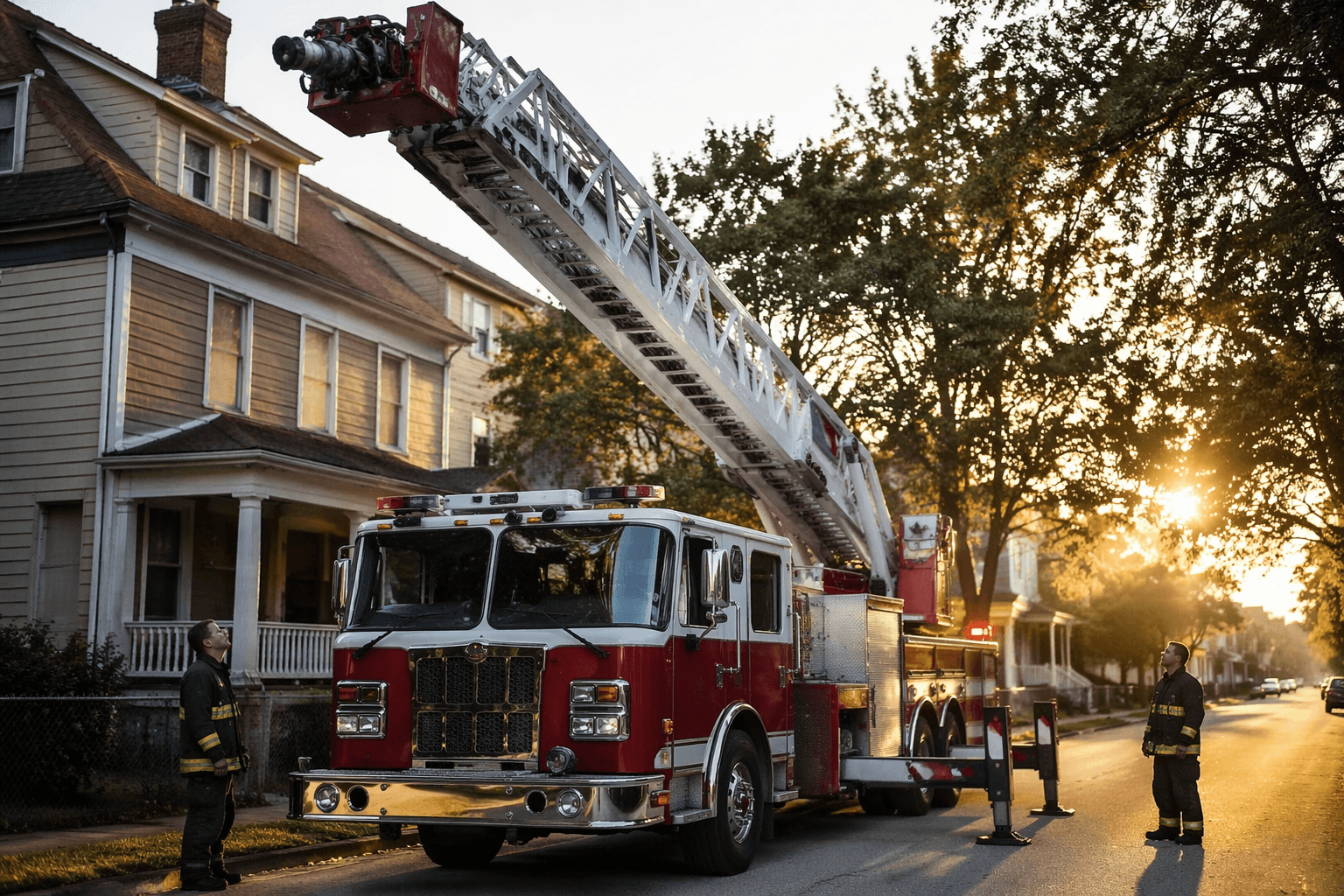
New Illinois Law Lets Fire Departments Bill Nursing Homes After Repeated Calls
A state law that took effect Jan. 1 permits municipal fire departments to charge assisted-living facilities and nursing homes for lift-assist calls after a facility’s sixth such call in a year, a change that could alter how local departments allocate resources and how long-term care providers manage falls. Morgan County fire boards and trustees must opt in to impose fees, so implementation and impact will vary across jurisdictions.
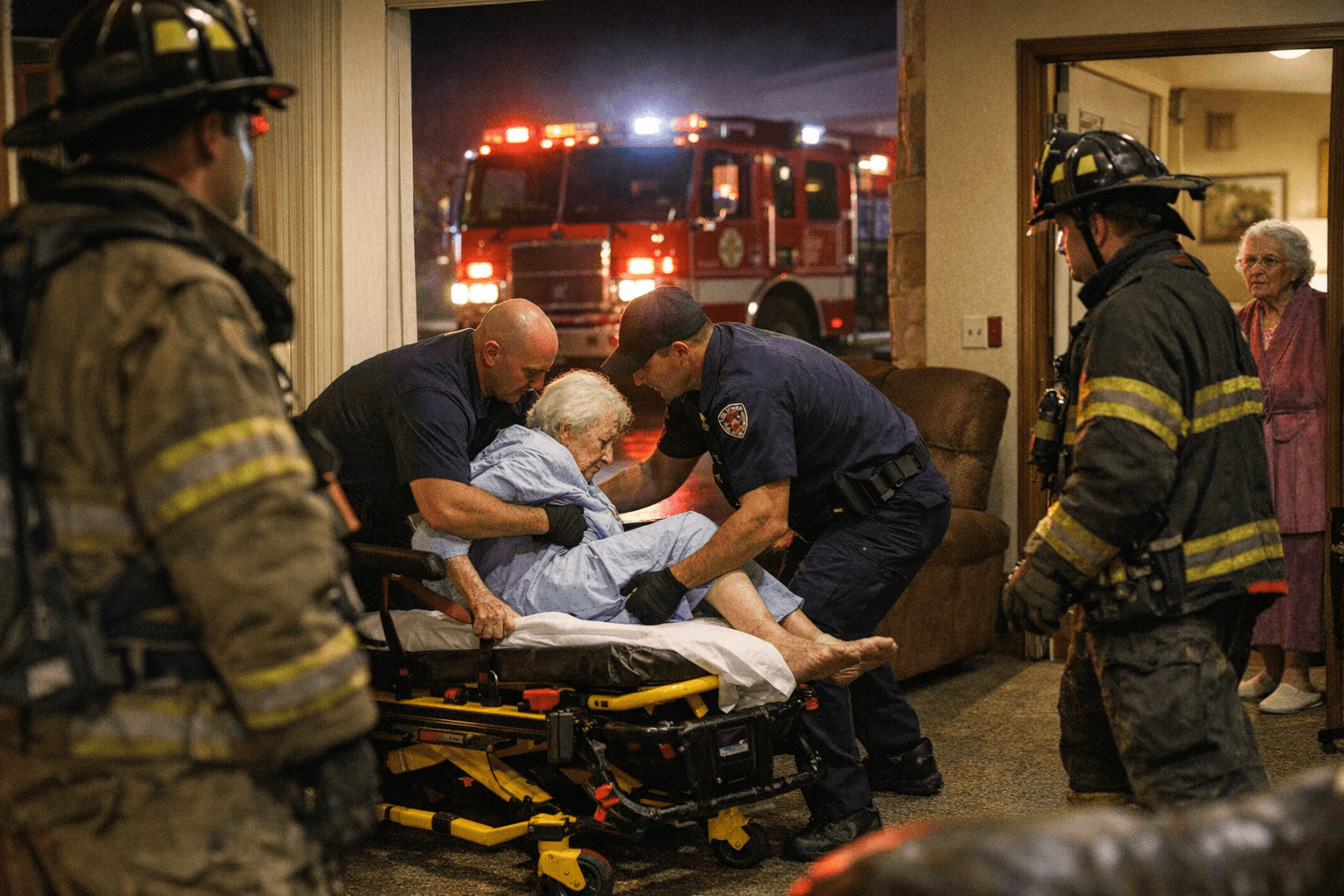
Illinois legislators and municipal advocates framed the measure as a response to growing volumes of lift-assist calls that local officials say strain emergency services and divert crews from higher-priority incidents. The statute, introduced by Rep. Michael J. Kelly and backed by the Illinois Municipal League, allows departments to recoup "reasonable fees" for lift-assist responses, defined as help for someone who has fallen and cannot get up, but only after the sixth call to a given facility in a 12-month period.
The law sets clear limits on charging: fees may not exceed the actual personnel and equipment costs associated with the service. It also preserves local control by requiring that individual fire boards or municipal trustees opt in before fees can be imposed. That design is likely to produce a patchwork of policies across Morgan County, with some districts choosing to bill and others declining.
Local fire officials have told reporters that the law’s effect will differ by district. In communities where lift-assist calls cluster during overnight shifts or low-activity periods, officials expect minimal changes to staffing or budgets, and perhaps little new revenue. In districts where repeated calls pull units away from higher-acuity calls, opt-in boards may view billing as a tool to recoup response costs and to incentivize facilities to explore on-site alternatives.
For assisted-living and nursing-home operators, the law introduces a new financial variable. Facilities facing repeated lift-assist incidents may consider bolstering on-site staffing, contracting private non-emergency lift services, or reviewing fall-prevention protocols. Those operational adjustments could shift costs onto operators and potentially to residents, raising questions about equity and oversight that local trustees will confront when they consider opting in.
The statute also has civic implications. Because local boards control whether fees take effect, residents and family members of long-term care patients have a direct role in shaping implementation. Board meetings and public hearings will be the venues where cost calculations, fee schedules, and appeals procedures are debated. Voters can also influence outcomes through participation in municipal elections for trustees and fire board members.
As Morgan County jurisdictions begin to weigh opt-in decisions, transparency around cost calculations and the operational impacts on emergency response will be critical. Expect a range of approaches across the county, with monitoring in the months ahead to measure whether billing achieves its stated goals of reducing nonemergency strain without undermining care for vulnerable residents.
This article was produced by Prism’s automated news system from verified source data, official records, and press releases, then run through automated quality and moderation checks before publishing. The system is built and supervised by the people who set the standards it runs under. Read our full AI policy.
Did this article answer your question?