Senator Tracy Backs Bill Protecting Group Homes From Local Zoning Restrictions
Sen. Jil Tracy backed a bill that would bar Jacksonville and other Morgan County towns from using zoning to block state-licensed group homes for adults with disabilities.
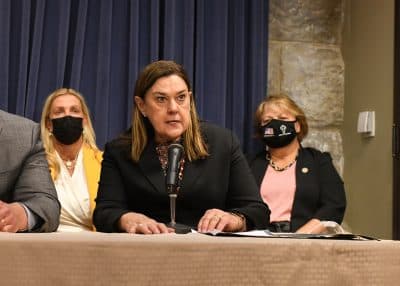
State Sen. Jil Tracy added her regional backing last week to House Bill 1843, legislation that would prevent Jacksonville, South Jacksonville, Waverly, and every other Illinois municipality from using local zoning codes to block community-integrated living arrangements, the state-regulated small group homes where adults with intellectual and developmental disabilities live with on-site staff support.
The bill cleared the Illinois House 77-35 and now awaits Senate action. Tracy's support, reported April 9, carries practical weight for Morgan County because it signals the bill has a regional advocate inside the chamber that must still move it to a floor vote.
HB1843 targets a specific and well-documented friction point: zoning ordinances that treat a home owned by a care agency differently from a home owned by a private individual. Illinois law already defines CILAs as residential settings for up to eight unrelated adults with disabilities, but local codes across the state have imposed special-use permit requirements or density caps that stall or permanently block a provider from opening a funded, licensed home. The bill would make those restrictions unlawful and explicitly bar municipalities from adopting any zoning rule that circumvents the Fair Housing Act or the Americans with Disabilities Act.
For Morgan County families, the stakes are concrete. Adults with intellectual and developmental disabilities who need CILA placement enter the state's PUNS waiting list, a prioritization database maintained by the Illinois Department of Human Services with no guaranteed timeline for placement. Providers and disability advocates say local zoning denials compound that delay by blocking homes that already carry state funding and licenses. The pressure is sharpest when aging parents can no longer serve as primary caregivers and a residential placement becomes urgent rather than planned.
Opponents, led in part by the Illinois Municipal League, argue the bill strips home-rule authority and limits how communities manage their own land use. House Minority Leader Tony McCombie voted against the measure, citing concern that it would further erode local control. The IML has declined to specify which zoning tools it considers most critical to preserve, but its opposition centers on the precedent of the state overriding local planning decisions.
The practical effect on Jacksonville and the county's smaller municipalities would begin with a review of existing ordinances. Any code language that restricts the number of unrelated occupants below what state law allows for CILAs, or that imposes special permits not required of comparable residential uses, would likely need revision if the bill is enacted into law.
The bill's full text, amendment history, and current committee status are available through the Illinois General Assembly's bill status page for HB1843 in the 104th General Assembly.
State Sen. Jil Tracy added her regional backing last week to House Bill 1843, legislation that would prevent Jacksonville, South Jacksonville, Waverly, and every other Illinois municipality from using local zoning codes to block community-integrated living arrangements, the state-regulated small group homes where adults with intellectual and developmental disabilities live with on-site staff support.
The bill cleared the Illinois House 77-35 and now awaits Senate action. Tracy's support, reported April 9, carries practical weight for Morgan County because it signals the bill has a regional advocate inside the chamber that must still move it to a floor vote.
HB1843 targets a specific and well-documented friction point: zoning ordinances that treat a home owned by a care agency differently from a home owned by a private individual. Illinois law already defines CILAs as residential settings for up to eight unrelated adults with disabilities, but local codes across the state have imposed special-use permit requirements or density caps that stall or permanently block a provider from opening a funded, licensed home. The bill would make those restrictions unlawful and explicitly bar municipalities from adopting any zoning rule that circumvents the Fair Housing Act or the Americans with Disabilities Act.
For Morgan County families, the stakes are concrete. Adults with intellectual and developmental disabilities who need CILA placement enter the state's PUNS waiting list, a prioritization database maintained by the Illinois Department of Human Services with no guaranteed timeline for placement. Providers and disability advocates say local zoning denials compound that delay by blocking homes that already carry state funding and licenses. The pressure is sharpest when aging parents can no longer serve as primary caregivers and a residential placement becomes urgent rather than planned.
Opponents, led in part by the Illinois Municipal League, argue the bill strips home-rule authority and limits how communities manage their own land use. House Minority Leader Tony McCombie voted against the measure, citing concern that it would further erode local control.
The practical effect on Jacksonville and the county's smaller municipalities would begin with a review of existing ordinances. Any code language that restricts the number of unrelated occupants below what state law allows for CILAs, or that imposes special permits not required of comparable residential uses, would likely need revision if the bill becomes law.
The bill's full text, amendment history, and current committee status are available through the Illinois General Assembly's bill status page for HB1843 in the 104th General Assembly.
This article was produced by Prism’s automated news system from verified source data, official records, and press releases, then run through automated quality and moderation checks before publishing. The system is built and supervised by the people who set the standards it runs under. Read our full AI policy.
Did this article answer your question?