State Report Finds Most Pregnancy Deaths Preventable - Morgan County Impact
Illinois’ latest maternal mortality review found that 91 percent of pregnancy-related deaths in 2021 and 2022 were potentially preventable, with stark racial and geographic disparities. For Morgan County residents, the findings highlight persistent gaps in rural access to specialized care and point to new state measures that could improve postpartum support for families on Medicaid.

The Illinois Department of Public Health released its fourth maternal mortality report on Dec. 31, 2025, concluding that preventable pregnancy-related deaths rose and racial inequities persisted across the state. The review examined 219 deaths that occurred during pregnancy or within one year after pregnancy in 2021 and 2022. Two review committees determined 94 of those deaths were related to pregnancy and judged that 91 percent of those pregnancy-related deaths could have been prevented.
Substance use disorder remained the leading cause of pregnancy-related death, accounting for nearly one third of cases. Blood clots and COVID-19 were responsible for 12 percent and 11 percent of pregnancy-related deaths, respectively. Deaths due to hemorrhage doubled to 10 percent from 5 percent in the prior reporting period. The committees found that all deaths attributed to mental health conditions and substance use disorder were potentially preventable, and roughly 20 percent were seen as having had a good chance of prevention with reasonable changes to provider, facility, patient, community, or system responses.
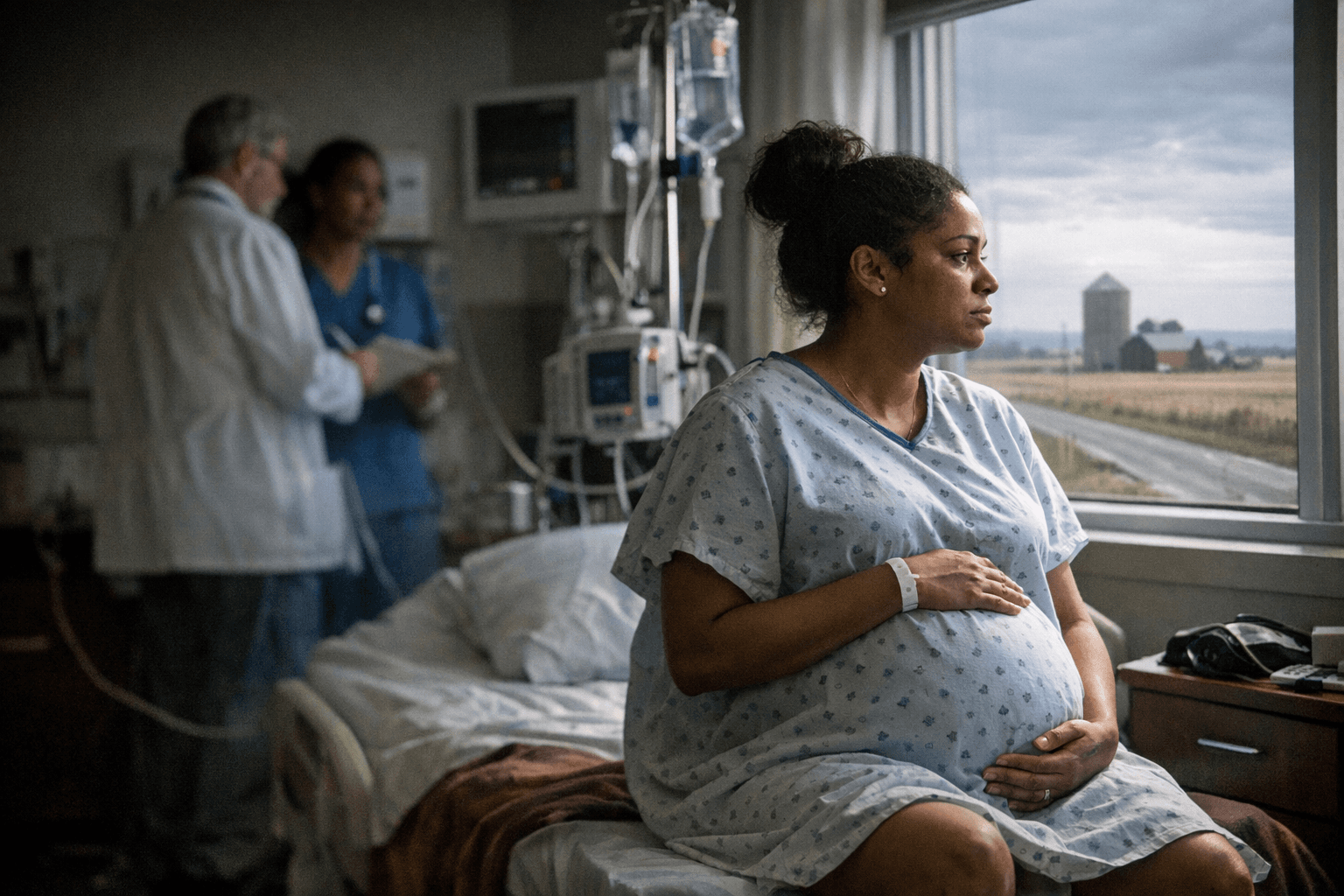
The report documents persistent racial disparities. Black Illinoisans experienced the highest maternal mortality rate at 78 deaths per 100,000 live births. Discrimination was identified as a contributing factor in 74 percent of pregnancy-related deaths among Black people. Black mothers were more than twice as likely as white mothers to die from any pregnancy-related cause and more than three times as likely to die from purely medical pregnancy-related conditions. Contributing factors differed by group: mental health conditions were the most common contributor for white and Hispanic deaths, while obesity, mental health conditions, and substance use disorder featured prominently among Black deaths.
Socioeconomic and insurance differences also emerged. Individuals with a high school education or less were more than twice as likely to die from a pregnancy-related cause than those with post-secondary education, and Medicaid recipients died from pregnancy-related conditions nearly four times as often as people with private insurance.
For Morgan County, a largely rural area, the report’s geographic analysis carries direct relevance. While pregnancy-related mortality in rural counties declined marginally, the report noted ongoing rural barriers: fewer providers, long travel distances, and limited access to specialized care for mental health and substance use disorder. Fewer than a third of pregnancy-related deaths occurred during pregnancy; 43 percent occurred within the first month after delivery and about a third occurred two or more months after pregnancy, with substance use and mental health deaths more likely to happen after birth.
The report builds toward policy changes outlined in the Illinois Blueprint for Birth Equity, which recommends expanding access to specialized care, incentivizing providers to practice in rural and small hospital settings, and improving coordination between hospitals, social workers, midwives, and doulas. In response to those recommendations, the Department of Healthcare and Family Services expanded Medicaid coverage on Nov. 21 to include home visiting services such as health education, blood pressure monitoring, behavioral health screenings, domestic violence screening, stress management, and service referrals. The report also noted a legislative step this year requiring anti-bias training for obstetric care providers under House Bill 2517.
The report framed each loss as a larger system failure. “Each maternal death represents far more than a statistic: it is a profound and often preventable loss that leaves lasting emotional, social, and economic scars on families, communities, and society,” the authors wrote. Lt. Gov. Juliana Stratton, who helped convene the birth equity effort, emphasized the administration’s commitment to change: “Every woman deserves to bring life into this world safely and with dignity, and every family deserves to bring their child home with the resources they need to grow.”
This article was produced by Prism’s automated news system from verified source data, official records, and press releases, then run through automated quality and moderation checks before publishing. The system is built and supervised by the people who set the standards it runs under. Read our full AI policy.
Did this article answer your question?