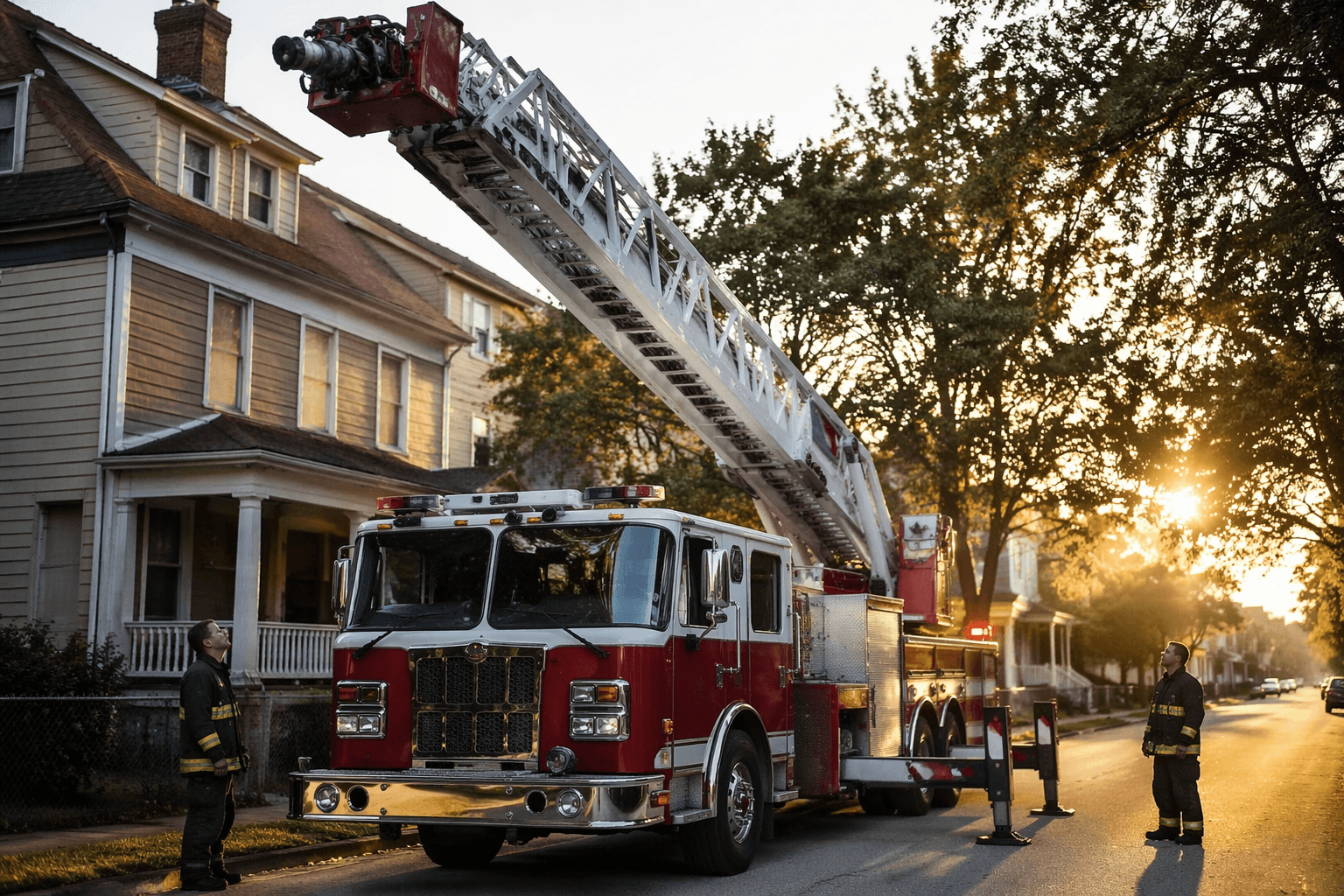
Students Pitch Container Housing Plan, Propose Phased Transitional Site
Illinois College students presented a design and cost proposal to the Jacksonville City Council on November 25, 2025 for a phased transitional housing project using recycled shipping containers on Lynette Lane. The presentation outlined costs, conditions for residents, and a development model that would rely on private ownership while leaving zoning and permitting to the city, a proposal that could influence local housing policy and neighborhood planning.
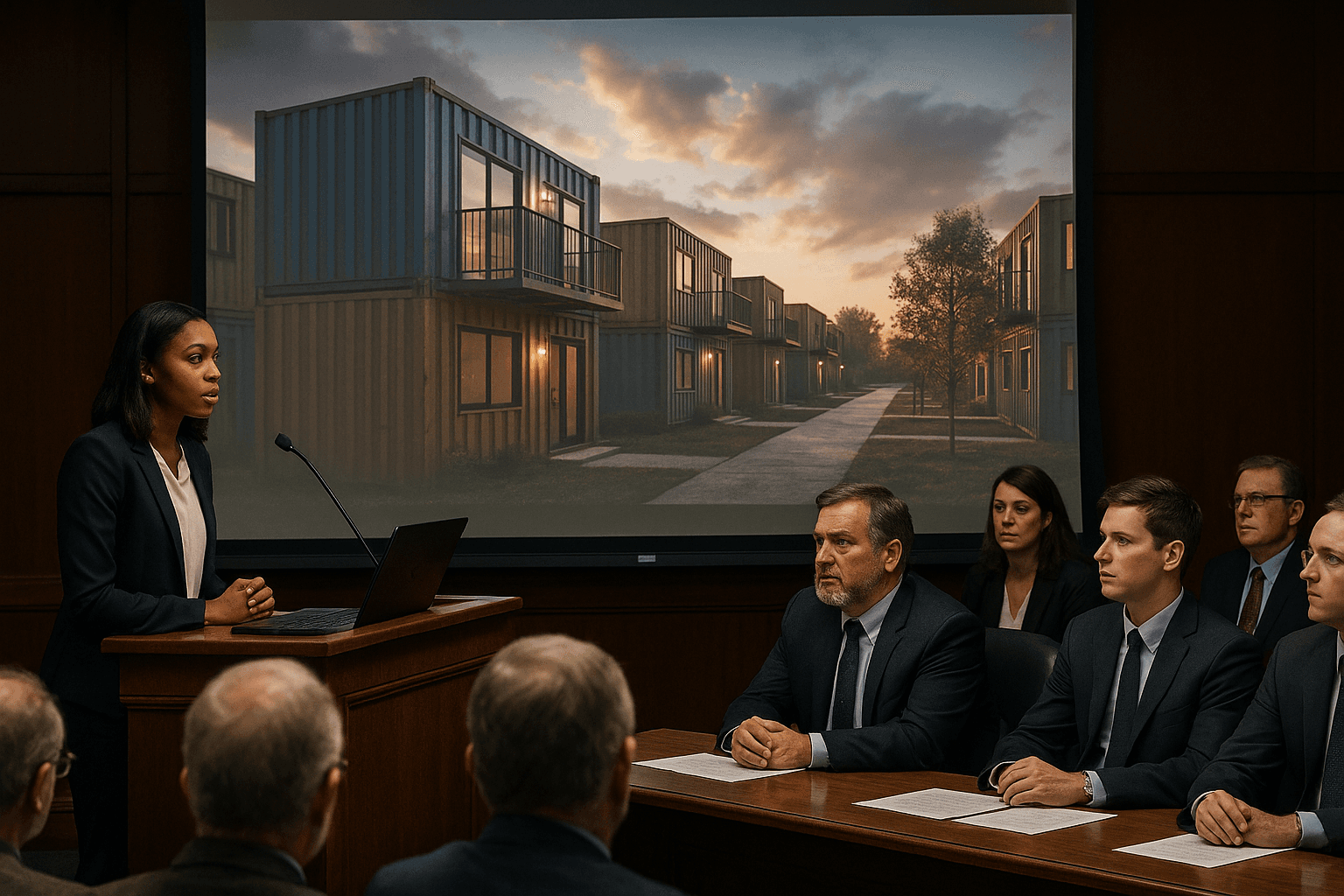
On November 25, 2025 students in an Engineering 151 and Design for America process presented a modular transitional housing proposal to the Jacksonville City Council during a two day workshop. The concept used recycled shipping containers as turnkey units on a sample site at Lynette Lane and emphasized rapid, phased deployment under a medium barrier model that would require resident conditions such as sobriety and participation in exit planning.
The students delivered detailed cost estimates based on vendor conversations with Benton Engineering. Retail pricing for a container unit was presented near $22,900, with potential bulk pricing near $18,900 per unit. Their site level estimate included roughly $184,000 for site and construction work, $44,000 for sewer services and $46,000 in non construction costs, for a subtotal near $274,000. In addition, electrical work was estimated at about $8,000 per unit. The figures were presented as scenario estimates for planning and discussion.
The students also sketched a site plan with amenities including green space, a dog park and a loading dock for donations. They proposed using the nearby Samuel Holmes building for on site management. The model assumed a private owner or developer would acquire and develop the property, with the city focused on rezoning and permitting rather than project ownership. City staff reiterated that rezoning and permitting would be the likely municipal responsibilities should the concept advance.
No formal council action was taken, as the presentation was informational only. Presenters left the door open for follow up questions, and rezoning plus developer selection were identified as practical next steps if stakeholders chose to pursue the concept. For Morgan County residents the proposal raises immediate questions about neighborhood impact, municipal roles in housing solutions and the potential pace of deployment if a private developer moves forward.
The proposal ties local housing needs to broader trends in adaptive reuse and modular construction that cities around the world are exploring. For Jacksonville the next phase is practical and procedural, involving community engagement on zoning, scrutiny of the cost model and decisions about who will lead development and long term management.
This article was produced by Prism’s automated news system from verified source data, official records, and press releases, then run through automated quality and moderation checks before publishing. The system is built and supervised by the people who set the standards it runs under. Read our full AI policy.
Did this article answer your question?