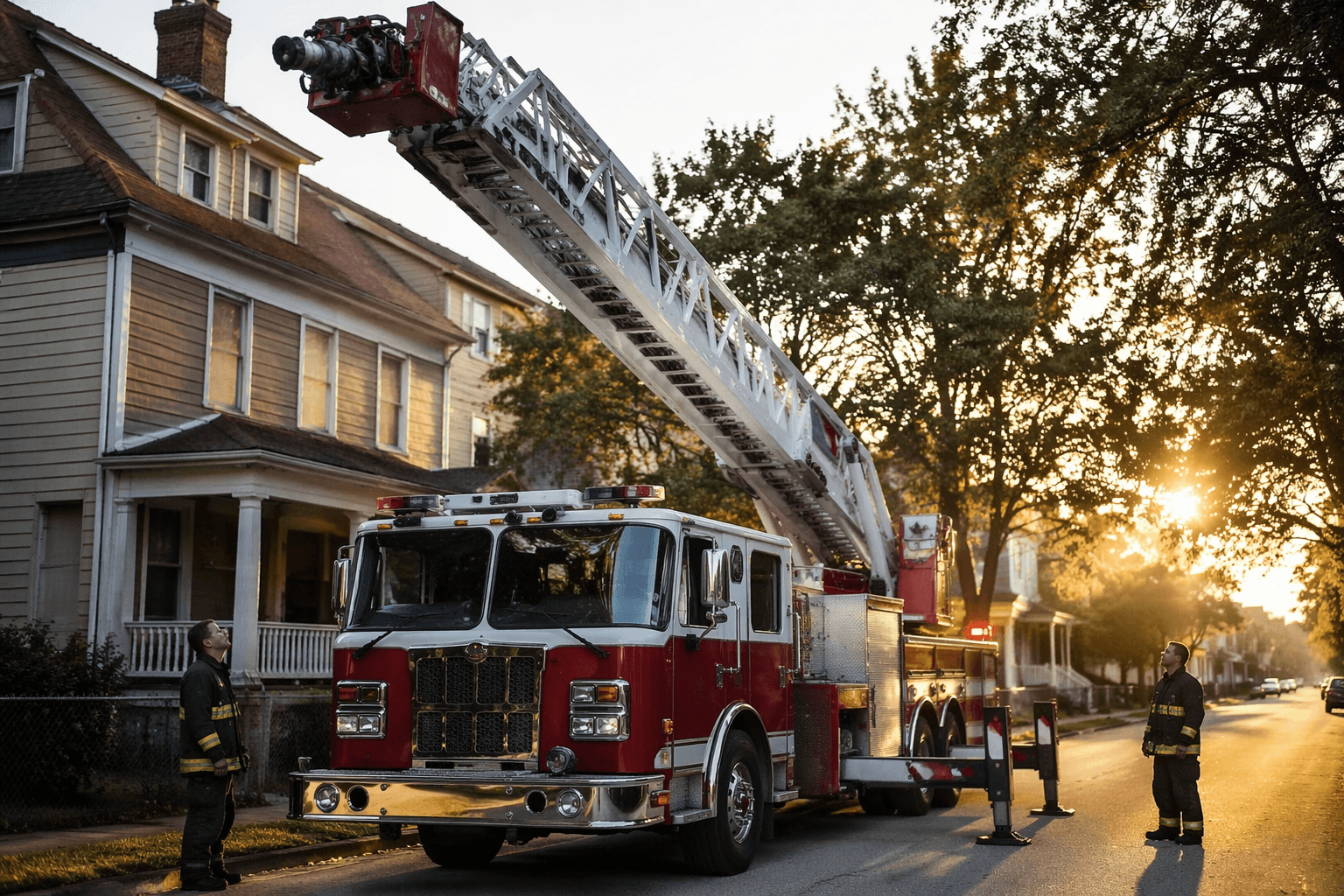
Waverly Acquires First Ladder Truck, Boosts Downtown Fire Response
The Waverly Fire Department took delivery of its first ladder truck on December 29, 2025, a used 2007 apparatus intended to strengthen emergency response around downtown and the grain elevator. The new vehicle reduces reliance on neighboring departments, improves firefighter safety, and could lower homeowners insurance costs through a better ISO rating.
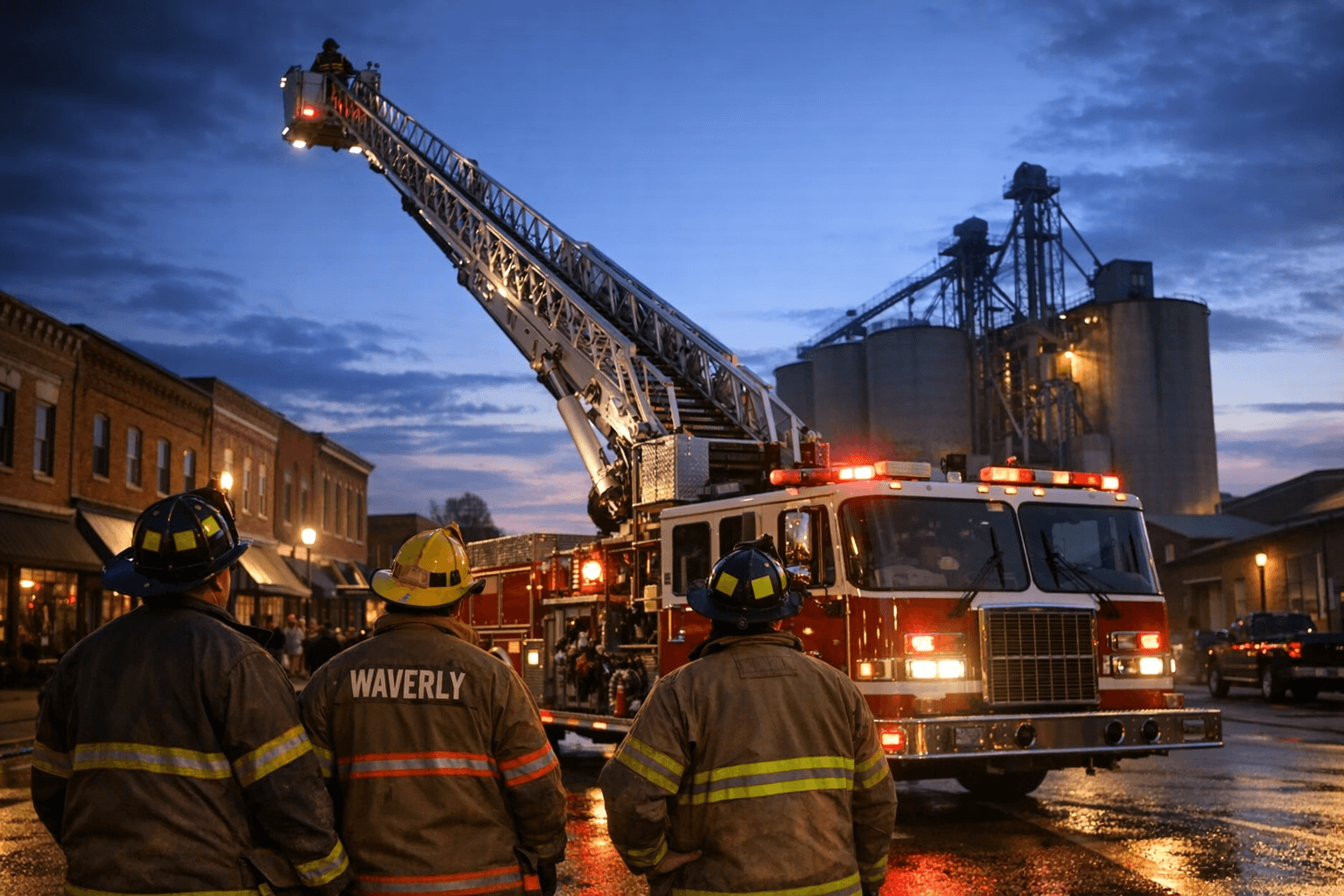
On December 29, 2025 the Waverly Fire Department added a ladder truck to its fleet for the first time in the citys history, a change officials say will improve response capability and firefighter safety in the downtown core and around the grain elevator. Chief Jason Shumaker noted the department previously depended on neighboring units when ladder capability was needed. "This is the first ladder truck the city has ever had and it's something we have been looking for awhile now," he said.
The apparatus is a 2007 model equipped with a 300 gallon water tank, a 30 gallon foam tank and a pump rated at 200 gallons per minute. The truck cost roughly $64,500, not including trade in value for the engine truck it replaces. City and department staff are updating lighting, onboard systems and exterior lettering before placing the vehicle into service.
Department leaders said the ladder truck addresses gaps created by the towns growing downtown and the presence of multi story structures near the grain elevator, locations where elevated access and water supply can be decisive in a serious fire. The new capability is expected to reduce response times for incidents that require aerial access, and to decrease the frequency with which Waverly requests ladder support from nearby South Jacksonville and other mutual aid partners.
Officials also noted the potential for a community wide financial benefit. Having an in town ladder truck could improve the citys Insurance Services Office rating, a metric insurers use to set homeowners insurance premiums. A better ISO rating could translate into lower insurance costs for property owners over time.
Before entering service the truck will undergo final equipment upgrades and department members will complete training on its operation and maintenance. Officials estimate the vehicle will be operational in about 30 to 40 days. For residents this investment represents both a direct enhancement to local public safety and a step toward greater self reliance in emergency response.
This article was produced by Prism’s automated news system from verified source data, official records, and press releases, then run through automated quality and moderation checks before publishing. The system is built and supervised by the people who set the standards it runs under. Read our full AI policy.
Did this article answer your question?