Winter storm watch issued for Jacksonville, several counties face hazardous snow
The National Weather Service issued a winter storm watch on November 27 for Jacksonville and surrounding counties, warning of significant snowfall and gusty winds late Friday into Saturday night. The forecast and slick road warnings matter to Morgan County residents because travel, health care access, and services for vulnerable people could be disrupted.
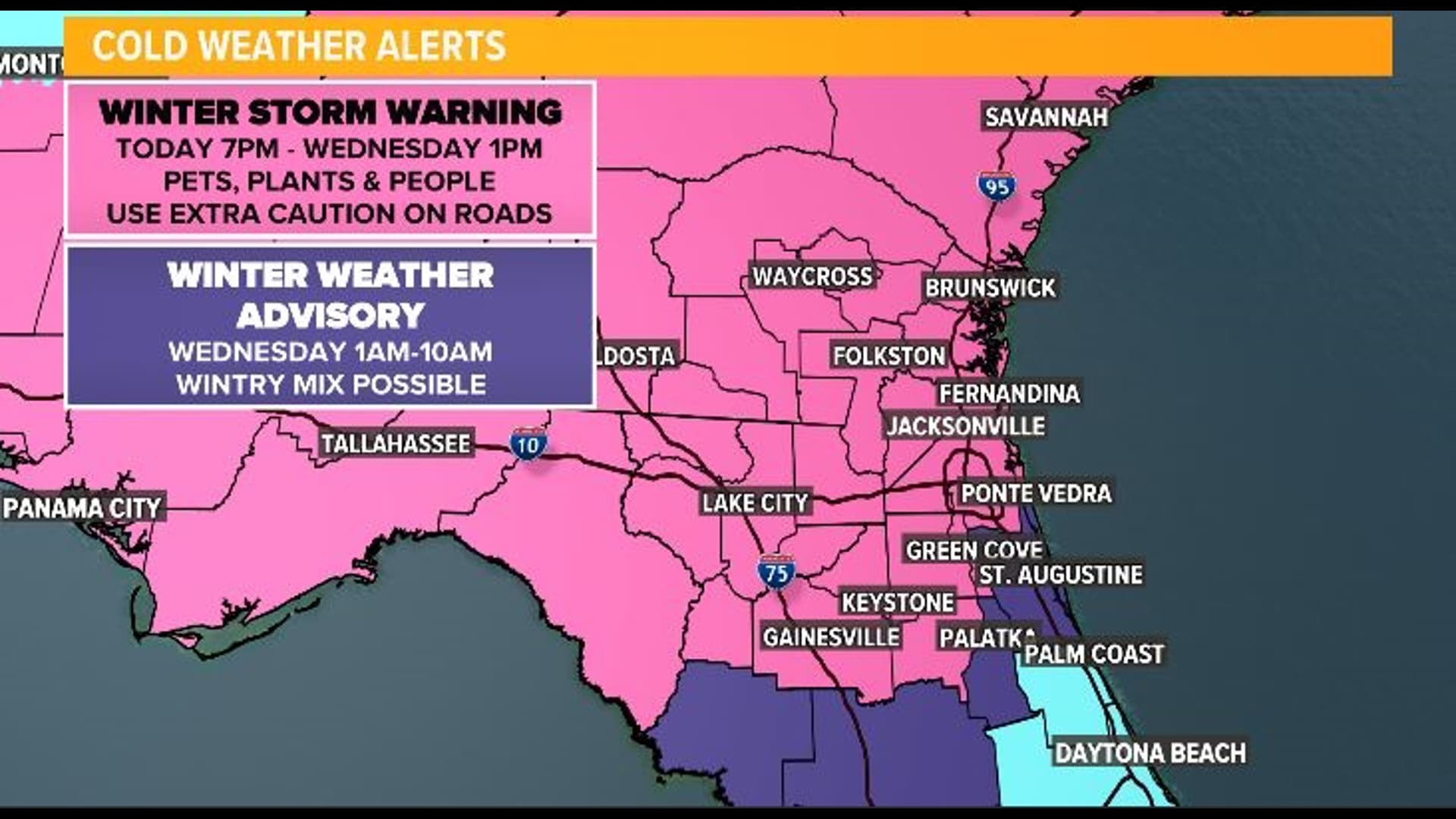
The National Weather Service issued a winter storm watch on November 27 that included Morgan County and neighboring counties, citing the likelihood of a significant and hazardous winter storm within 48 hours. The watch covered Morgan, Brown, Calhoun, Cass, Greene, Jersey, Macoupin, Pike, Sangamon, Schuyler and Scott counties, and officials said timing and exact conditions were still uncertain as the system moved in.
Forecasters said Jacksonville and towns to the north were expected to receive the heaviest snowfall late Friday into Saturday before temperatures rise near 35 degrees and precipitation changes briefly to rain, then returns to snow Saturday night. Accumulations of 4 to 7 inches were possible in that area, with strong gusty winds up to 25 mph. Greene County and areas to the south were forecast to see 1 to 3 inches Friday night with an additional 3 to 5 inches Saturday before precipitation becomes a snow and rain mix in the evening.
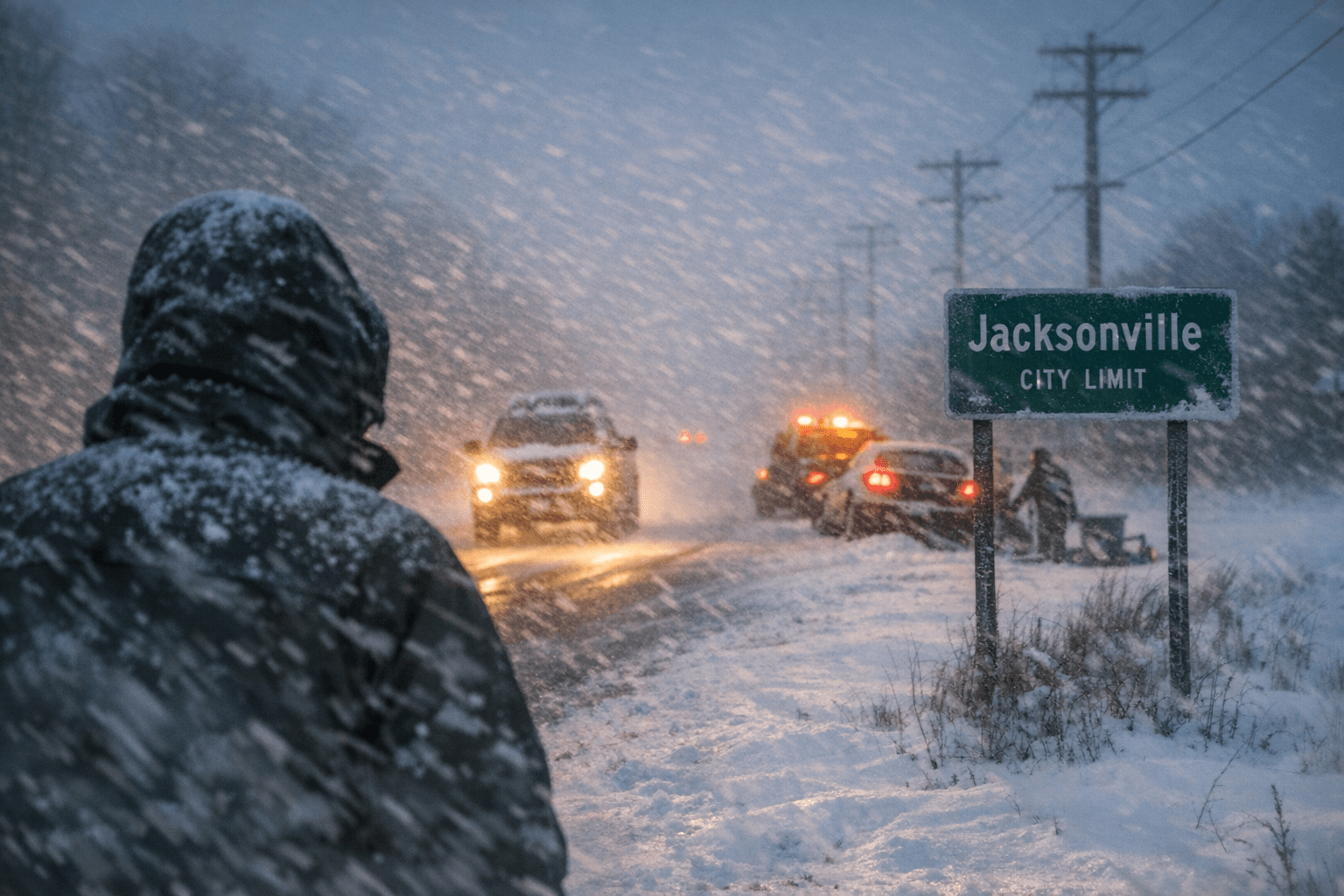
The weather service advised that roads, and especially bridges and overpasses, were likely to be slick and hazardous and that travel could be difficult. It recommended delaying travel if possible and using extreme caution if travel was necessary. Those warnings carry direct implications for Morgan County residents who commute for work, school, or medical appointments. Slick conditions increase the risk of vehicle crashes and delays for emergency responders, while gusty winds can lead to blowing snow and sudden visibility reductions.
Public health concerns include the risk of hypothermia and falls among older adults and people with mobility limitations, interruptions to routine medical care for people who rely on regular treatments, and challenges for residents without reliable heating or transportation. Low income residents and those experiencing housing instability may face elevated risk if power outages or fuel shortages occur, making local sheltering and outreach resources important.
Residents are urged to monitor updates from the National Weather Service and local officials, avoid nonessential travel, check on older and medically vulnerable neighbors, and ensure medications and emergency supplies are ready. Staying informed will be critical as the watch may be upgraded to an advisory or a warning once storm timing and severity become clearer.
This article was produced by Prism’s automated news system from verified source data, official records, and press releases, then run through automated quality and moderation checks before publishing. The system is built and supervised by the people who set the standards it runs under. Read our full AI policy.
Did this article answer your question?