9th Circuit Reinstates 160 Million Acres of Arctic Seal Critical Habitat
A 160-million-acre critical habitat ruling covering Beaufort Sea waters adds mandatory NMFS consultations to North Slope permits — and the Borough's own request for exclusion was denied.

Nearly 160 million acres of Arctic marine and coastal waters, stretching from the Central Bering Sea eastward through the Beaufort Sea, now carry reinstated critical habitat status for ringed and bearded seals after the Ninth Circuit Court of Appeals reversed a lower court ruling last week. For operators and planners working in those waters, the March 25 decision reinserts a mandatory federal review layer into any project requiring a federal permit or lease action in the designated area.
The ruling reverses a 2024 decision by U.S. District Court Judge Sharon Gleason, who had struck down NOAA's National Marine Fisheries Service designation as overly broad. The appeals court disagreed, finding that NMFS acted properly and in accordance with the law, and noted that the agency had already weighed impacts to activities like oil development before issuing the original designation. On the question of scale, the court was pointed: the nearly 160 million acres is large, "but size is relative."
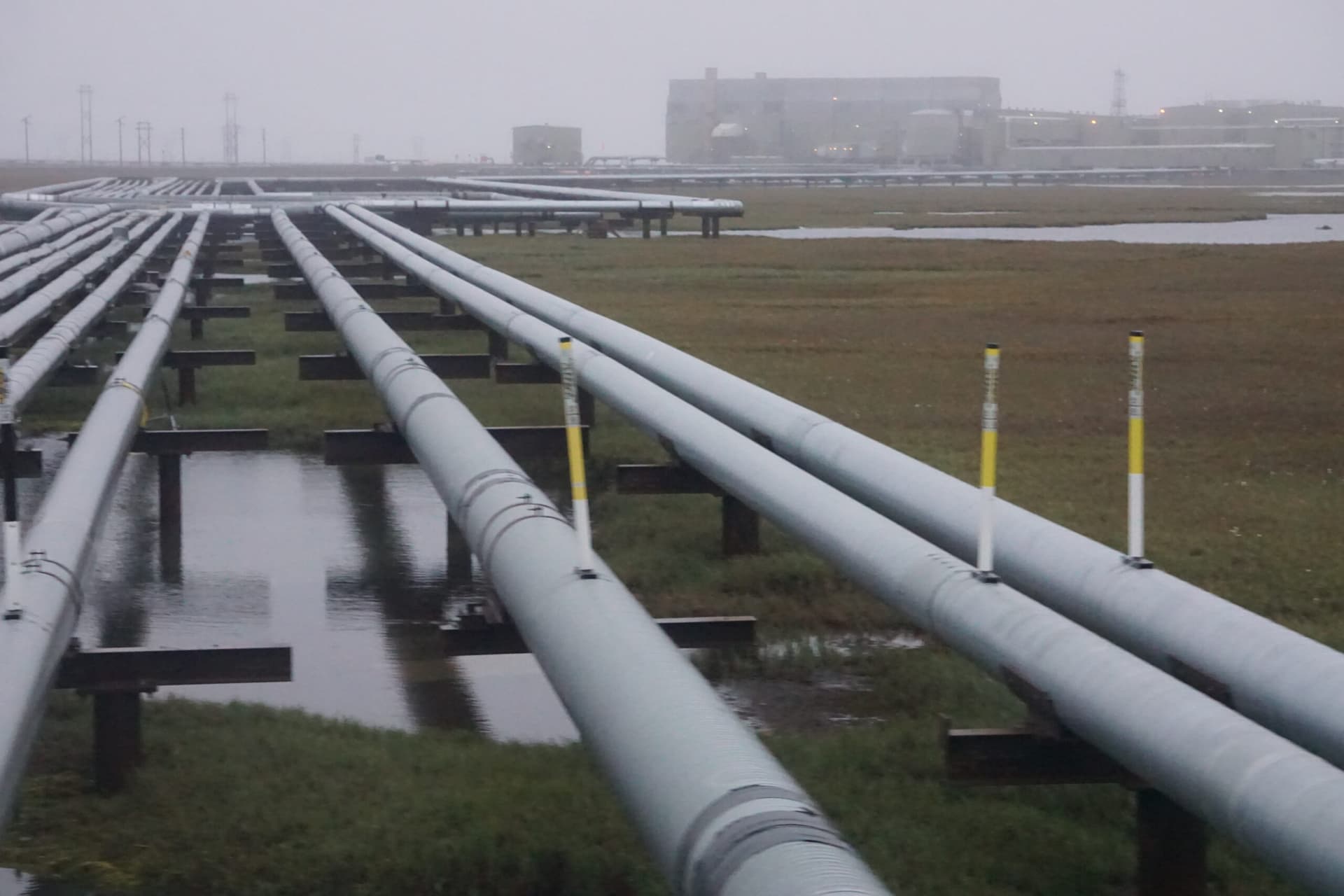
The practical consequence for North Slope work is immediate. Federal permits and lease authorizations for activity within the designated area, including Beaufort Sea seismic surveys, nearshore construction, offshore shipping corridors, and the sea-ice roads that connect North Slope drill sites to infrastructure on shore, now require formal consultation with NMFS and an assessment of potential harm to designated habitat. Operators and federal agencies should expect more detailed biological analyses, longer permitting timelines, and in some cases mitigation requirements or seasonal work-window restrictions before projects can proceed.
The North Slope Borough had seen this coming and tried to limit the damage. When NMFS drafted the original 2022 designation, the Borough joined the State of Alaska in requesting that certain coastal areas be excluded. The Ninth Circuit rejected that bid as well, ruling that the Fisheries Service acted within its discretion when it declined those exclusion requests.
The Alaska Department of Law issued a sharp statement. "The State of Alaska is disappointed by today's Ninth Circuit decision reinstating an unlawful and expansive critical habitat designation," it read. "This designation of over 160 million acres of Alaska's coastline and offshore waters exceeds the authority granted under the Endangered Species Act and sets a troubling precedent unmatched anywhere else in the nation." The department added that "bureaucrats have decided to directly burden responsible resource development, sustainable fisheries, and other vital economic and subsistence activities essential to Alaska through unnecessary habitat designations larger than the state of Texas," and that the state "will continue to fight for a commonsense, plain-text reading of the law that achieves the twin goals of conservation and Alaskan success."

The appeals court drew on a 2016 precedent that upheld 120 million acres of Arctic territory as critical habitat for polar bears. "Like the polar bears, the seal species 'need room to roam,'" the ruling stated, pointing to NMFS documentation that both ringed and bearded seals rely on resources spread across wide, dynamic sea-ice environments. Both species have carried threatened status under the Endangered Species Act since 2012.
Conservation groups celebrated the reinstatement. The legal history runs back to a 2008 Center for Biological Diversity petition that triggered the original threatened listings; the North Slope Borough and the Alaska Oil and Gas Association were among the parties that have sought to overturn the designations in a succession of cases that have now repeatedly failed, including a 2018 U.S. Supreme Court denial.
The state has not detailed its next legal step. In the meantime, agencies issuing any federal authorization for Beaufort Sea activity will need to work through NMFS consultation before those authorizations can move forward, a step that carries real schedule risk for projects already in the permitting pipeline.
Know something we missed? Have a correction or additional information?
Submit a Tip