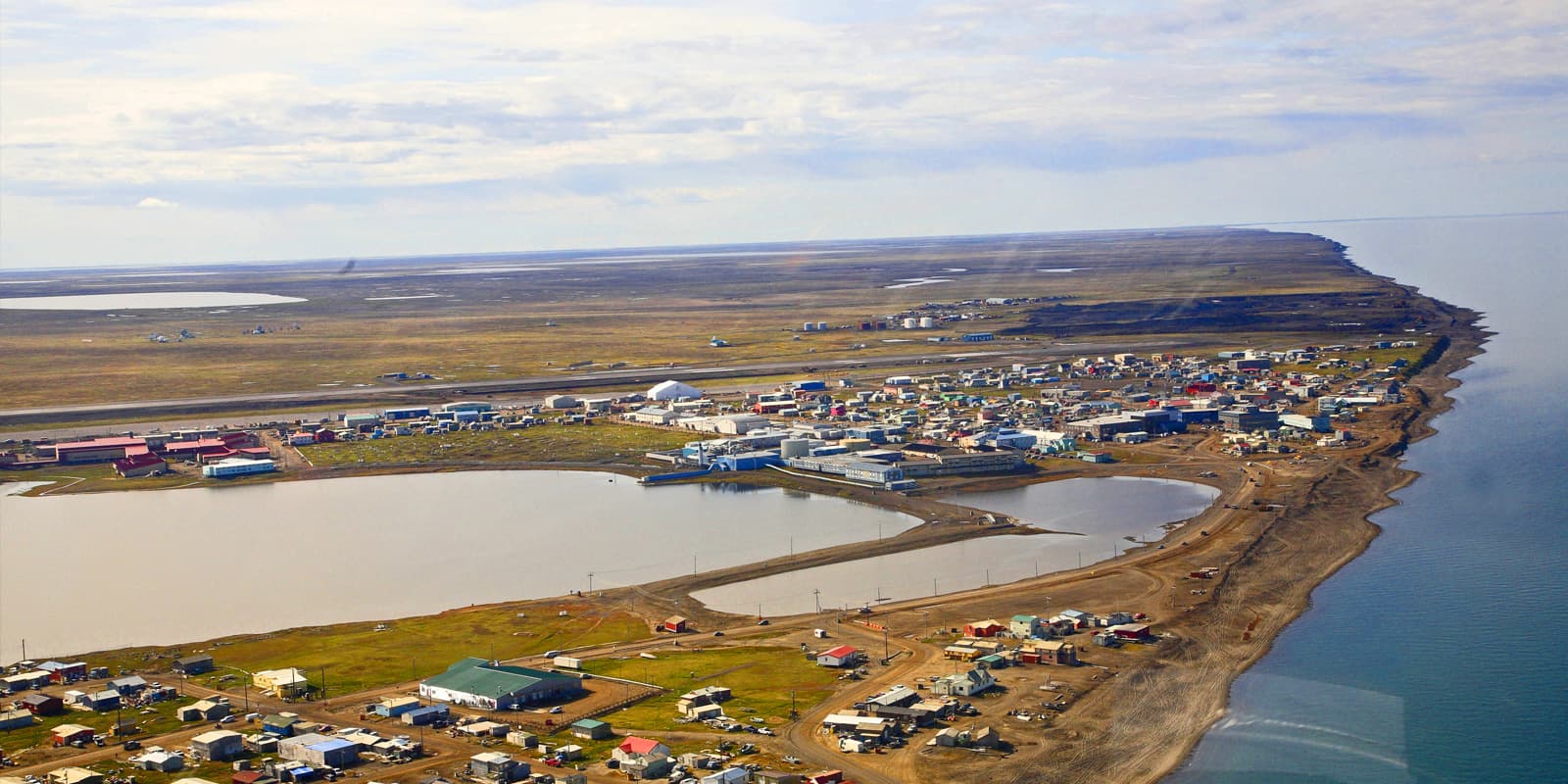
New pipeline tax fight could reshape North Slope Borough revenue
The end of TAPS’s 10-year tax truce could swing North Slope Borough revenue by hundreds of millions, with schools and services on the line.
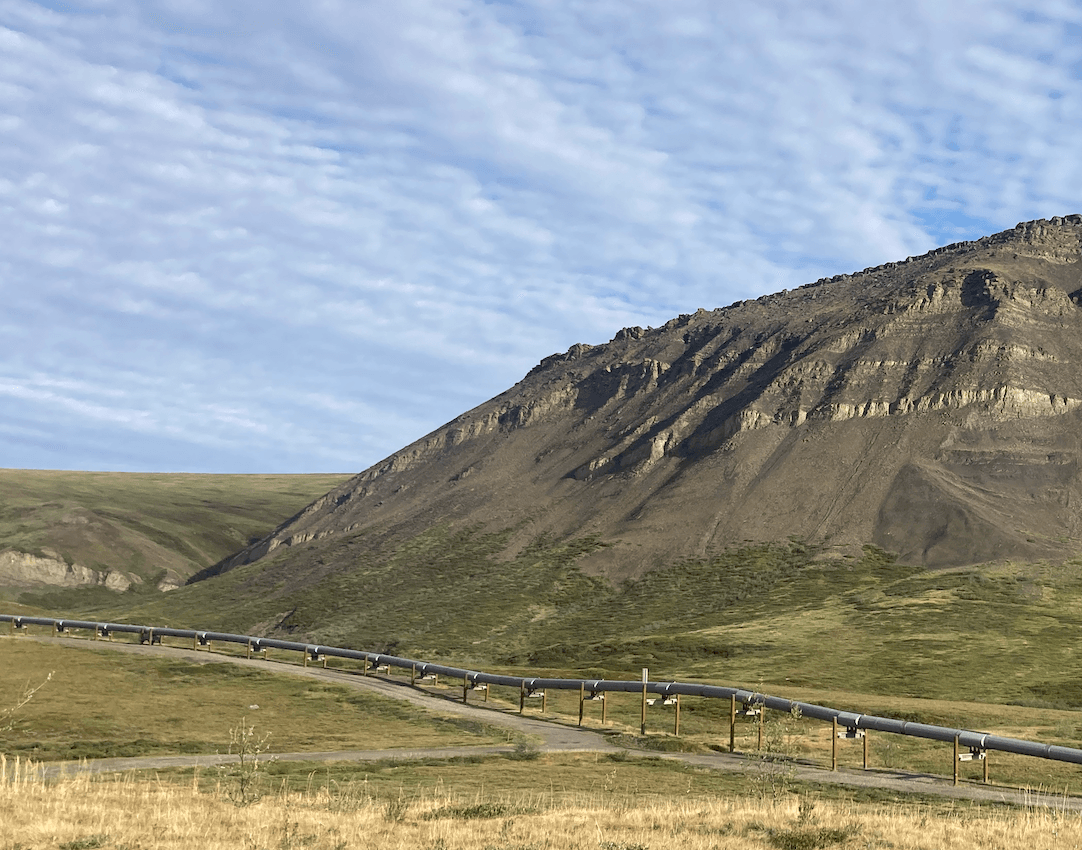
The end of a decade-long truce over the Trans-Alaska Pipeline System’s tax value has put North Slope Borough revenue back at risk, with the outcome of a new state hearing likely to affect money for schools, public works and basic municipal services across the Arctic. For a borough that depends heavily on oil-linked property taxes, the dispute is more than a distant fight over accounting.
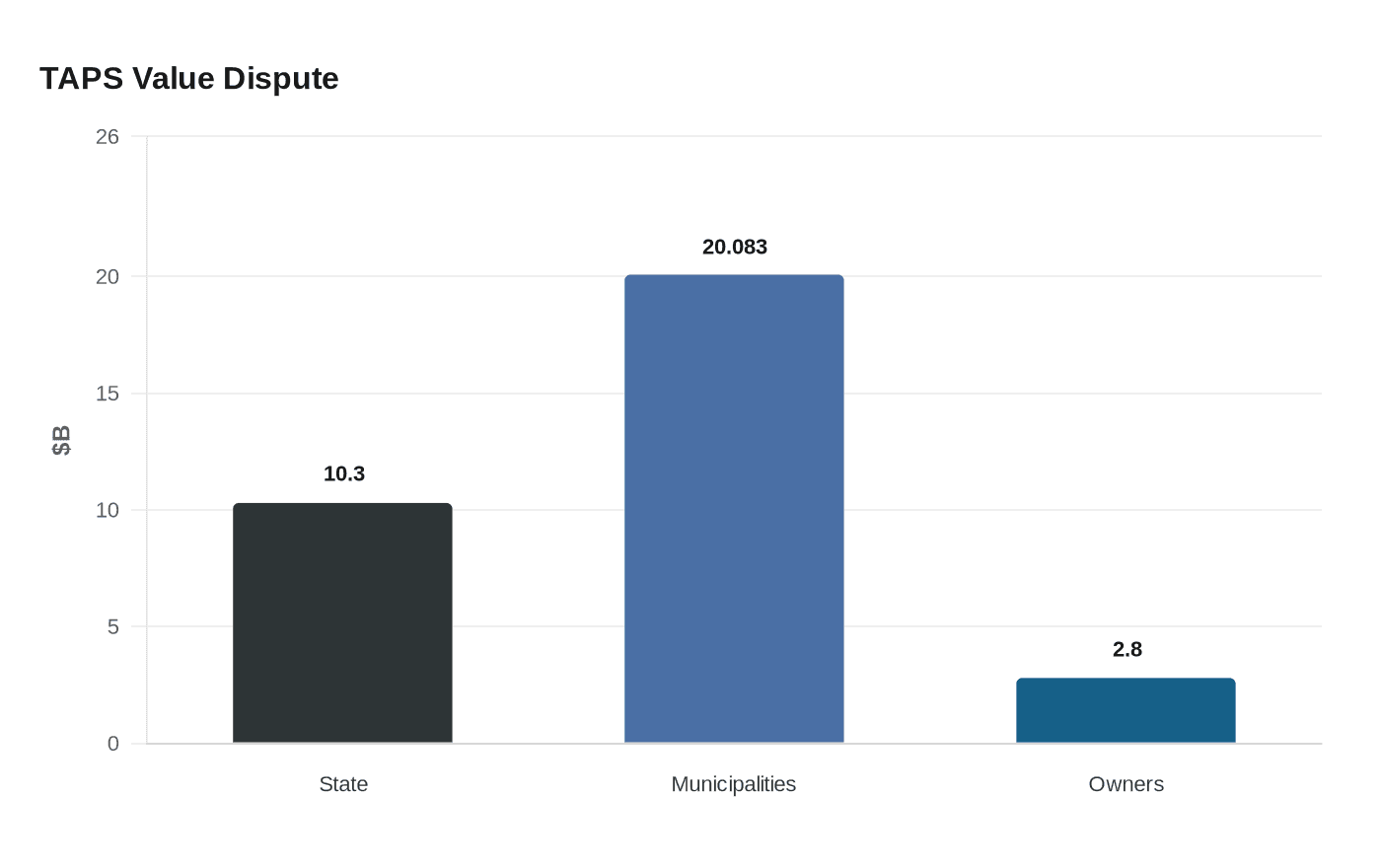
A governor-appointed State Assessment Review Board opened the hearing to set TAPS’s value after the 2016 settlement expired. The Alaska Department of Revenue put the 2026 assessment at $10.3 billion, while the municipalities want a value of at least $20.083 billion and the owners are seeking $2.8 billion. Because the tax rate is 2% of assessed value, the annual bill could land at about $56 million at the low end or at least $400 million at the high end, a spread that could change how much flows to the North Slope Borough, the Fairbanks North Star Borough and the City of Valdez.
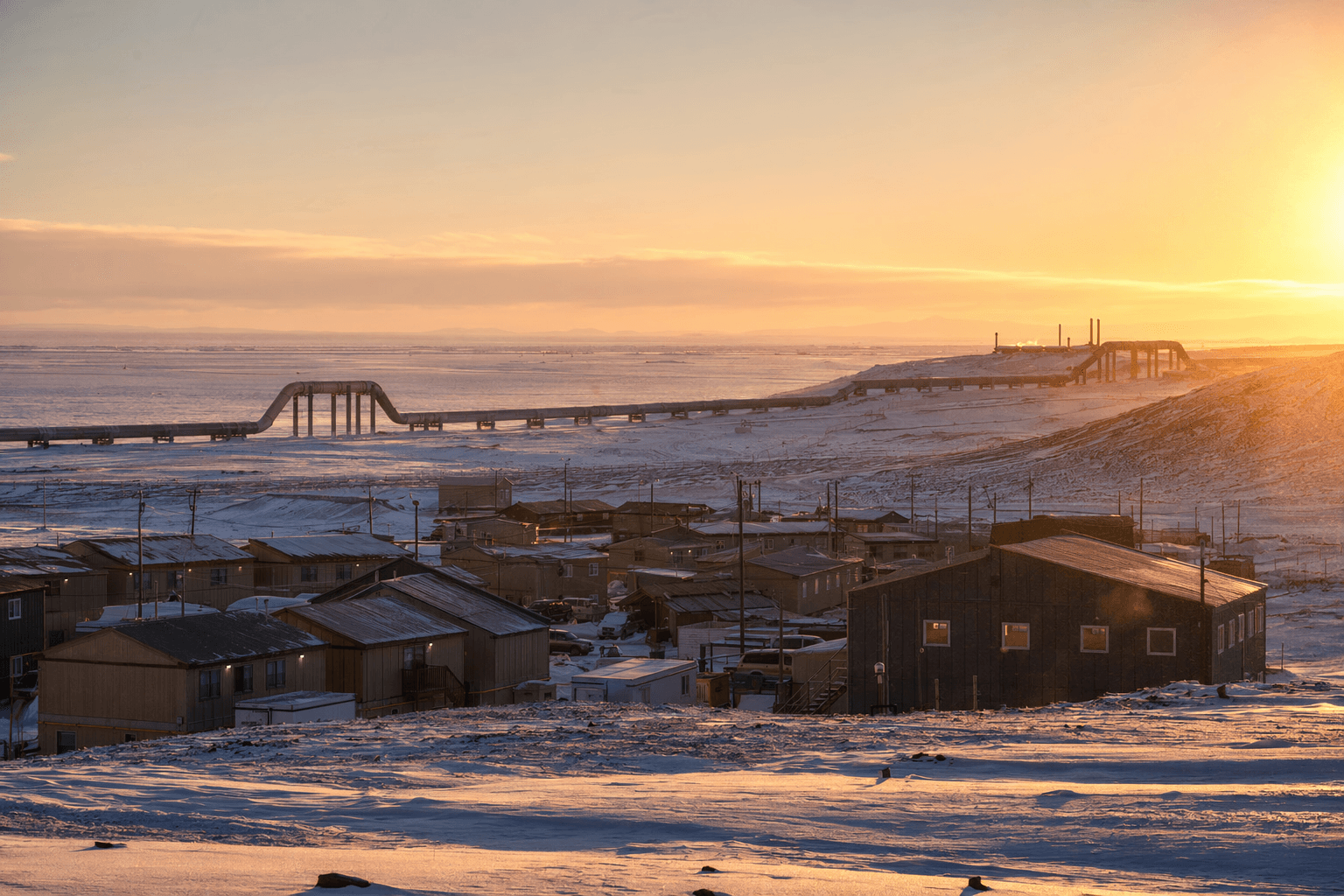
Alaska’s property tax rules make the stakes even clearer. The state requires property to be valued at market value each year as of January 1, and says all property is taxable unless specifically exempted by law. For the North Slope Borough, that framework matters because its budget depends on revenue from a narrow set of major taxpayers spread across a vast region where delivering government services is costly. The borough’s own FY 2025-2026 budget materials flag property tax computation and tax cap formulas, underscoring how central that revenue stream is to local finance.

The pipeline at the center of the dispute is still one of Alaska’s most important pieces of infrastructure. TAPS is an 800-mile, 48-inch line with the Valdez Marine Terminal, 11 pump stations and other support facilities. Construction was completed in 1977, and 344 miles of the right-of-way cross state-owned land. The current owners are affiliates of ConocoPhillips, ExxonMobil and Harvest Alaska.
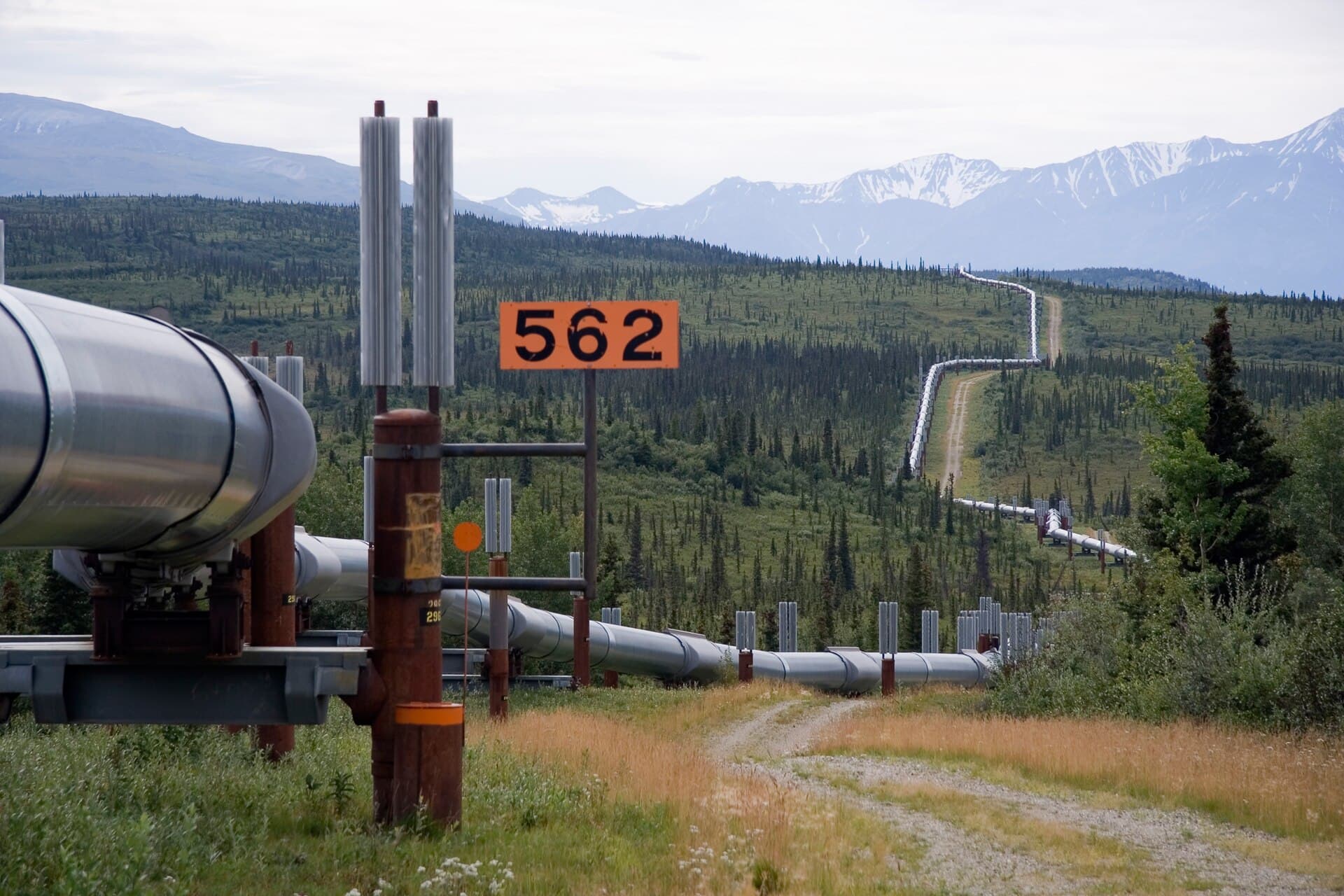
The last truce was supposed to quiet a fight that ran from 2006 to 2016, when valuation battles went through the State Assessment Review Board, superior court and the Alaska Supreme Court. In a 2015 appeal, the owners argued for a $2.6 billion assessment while local governments pushed for $15.5 billion. Fairbanks North Star Borough attorney Jill Dolan told the assembly in July 2025 that the settlement was “just months away” from expiring, and Alyeska Pipeline Service Co. declined to comment on the pending review. With the hearing now underway, another round of appeals and negotiations appears likely before the boroughs know what their pipeline tax future will be.
Know something we missed? Have a correction or additional information?
Submit a Tip