Dalton Highway toll bill stalls after public backlash near Deadhorse
A toll on oil and gas traffic near Deadhorse could have raised freight costs across the North Slope before the bill stalled under backlash from trucking interests.
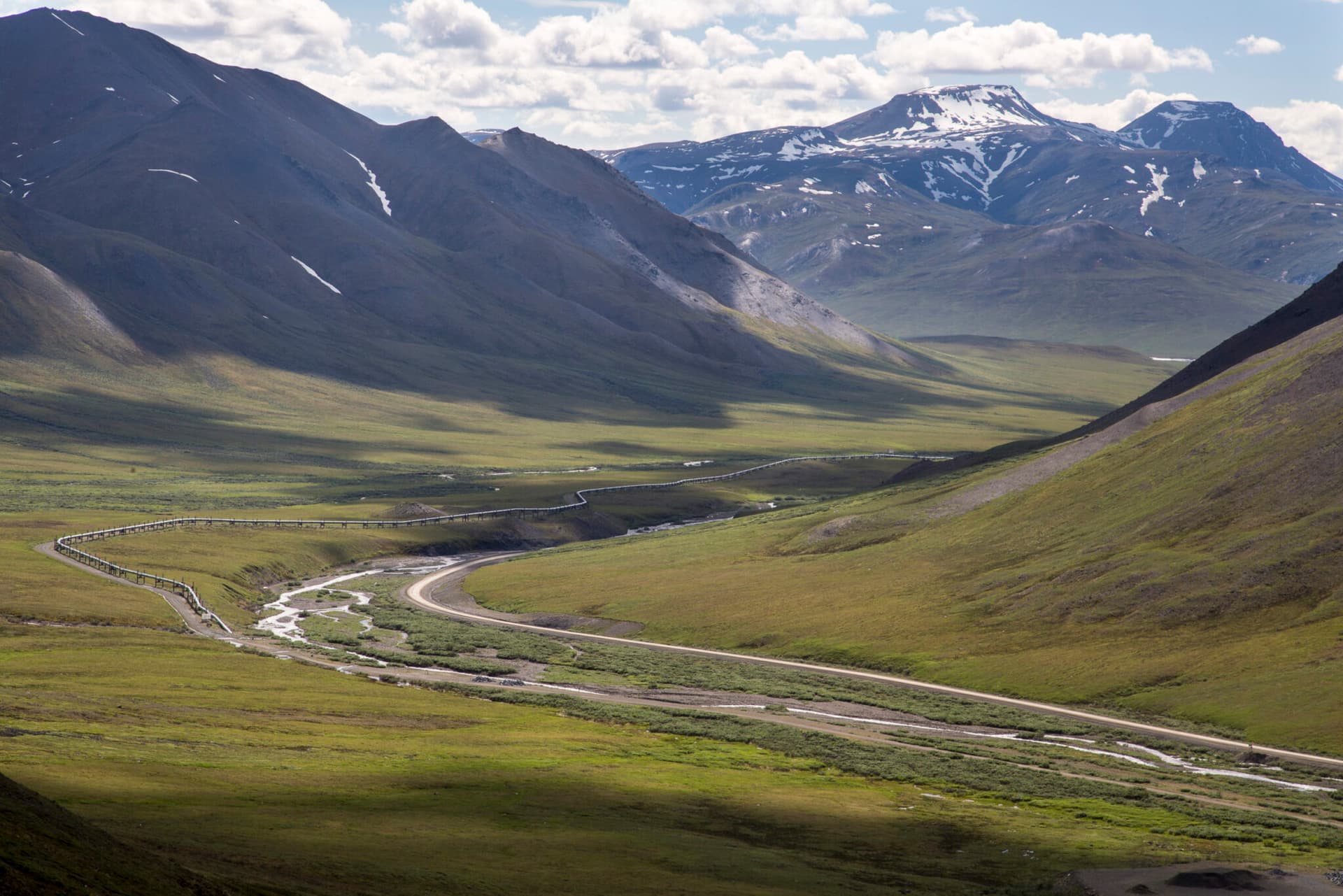
A two-mile toll zone near Deadhorse could have sent new costs through the North Slope freight system, raising the price of hauling fuel, supplies and equipment up the Dalton Highway to Prudhoe Bay before the proposal stalled in the Senate.
Senate Bill 286 would have designated the James Dalton Highway between milepost 413 and milepost 415 near Deadhorse as a toll road. The measure was introduced on April 24 and sent the same day to the Senate State Affairs Committee, where it was heard on May 5 and again on May 7 before remaining marked Heard & Held.
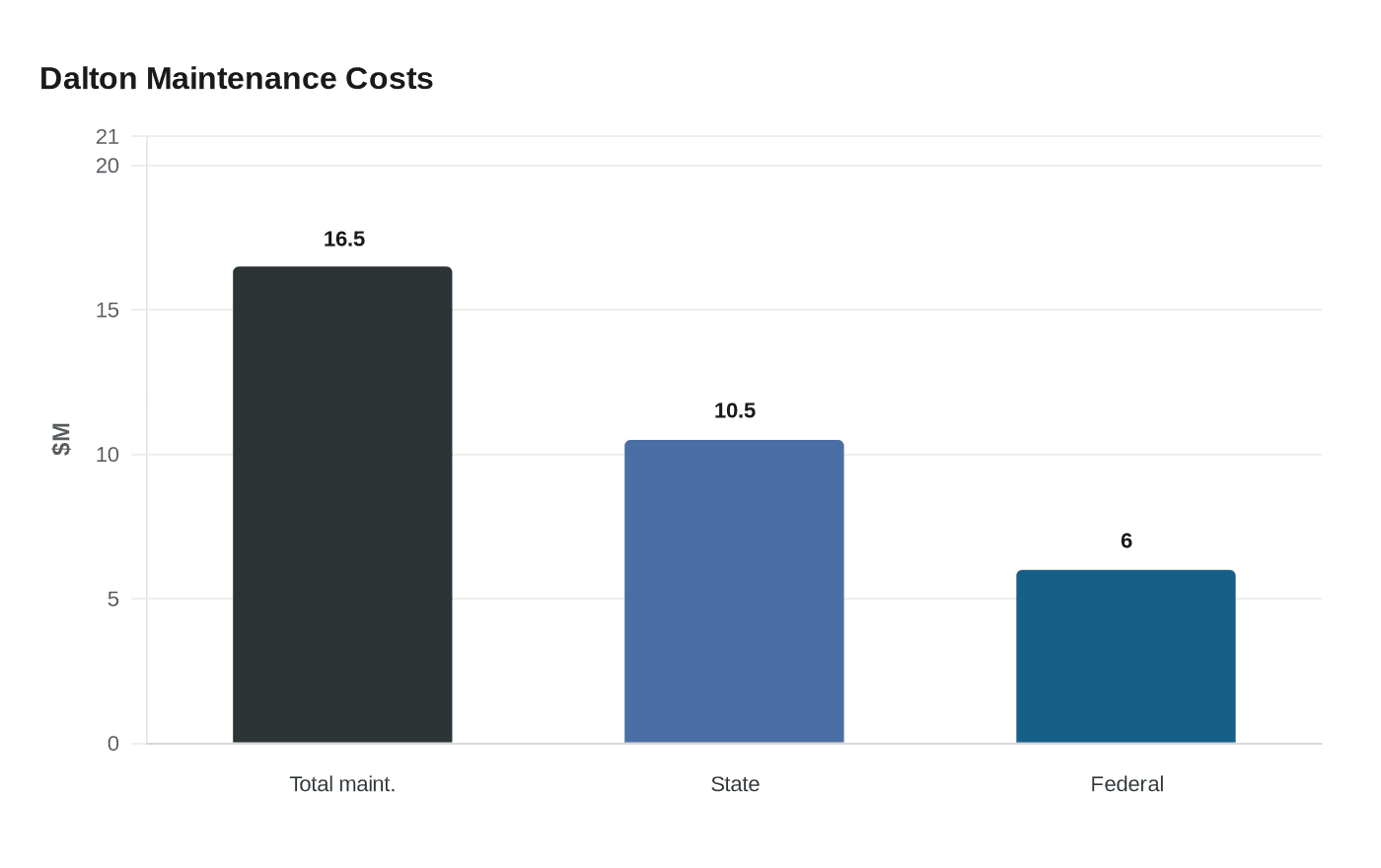
The financial stakes were bigger than the short toll segment suggested. Alaska Department of Transportation and Public Facilities says it spends about $16.5 million a year maintaining the Dalton Highway, with about $10.5 million coming from the state and about $6 million from federal funding in Alaska state fiscal year 2019. The road runs 414 miles from Livengood to Deadhorse, and commercial truck traffic delivering supplies and fuel to North Slope oil fields makes up the majority of traffic.
That is why the proposal drew immediate criticism from trucking interests. Jamie Benson, president of the Alaska Trucking Association, said the bill would single out trucking and could raise costs for all Alaskans. For North Slope operators, the toll would have touched a route that functions less like a normal highway and more like an industrial lifeline, moving personnel, drilling supplies, fuel and heavy equipment into the Arctic.
The Dalton itself was built for that purpose. Alaska DOT&PF says Alyeska Pipeline Service Co. originally constructed the highway to support Trans-Alaska Pipeline development and North Slope oil-field service, and the road opened to the public in stages before full public access to Deadhorse in 1994. The department now operates seven year-round maintenance camps along the corridor, and the Deadhorse camp also maintains the local airport. Winter conditions can last from early August through June, and avalanches in Atigun Pass have stranded drivers for days.
The bill’s structure added to the criticism. Oil and gas companies would have reimbursed toll payers within 30 days of a request, while Alyeska Pipeline Service Co. would have been exempt. The toll revenue would have gone to the state’s general fund rather than a dedicated Dalton account, a choice that undercut the idea that the money would stay tied to the road.
For the North Slope Borough, the risk was not abstract. The U.S. Census Bureau estimates the borough population at 10,582, and transportation and warehousing receipts totaled $119,776,000 in 2022. In a small, remote economy built around energy development and freight logistics, even a narrow toll on the Dalton Highway could have rippled far beyond Deadhorse.
This article was produced by Prism’s automated news system from verified source data, official records, and press releases, then run through automated quality and moderation checks before publishing. The system is built and supervised by the people who set the standards it runs under. Read our full AI policy.
Did this article answer your question?