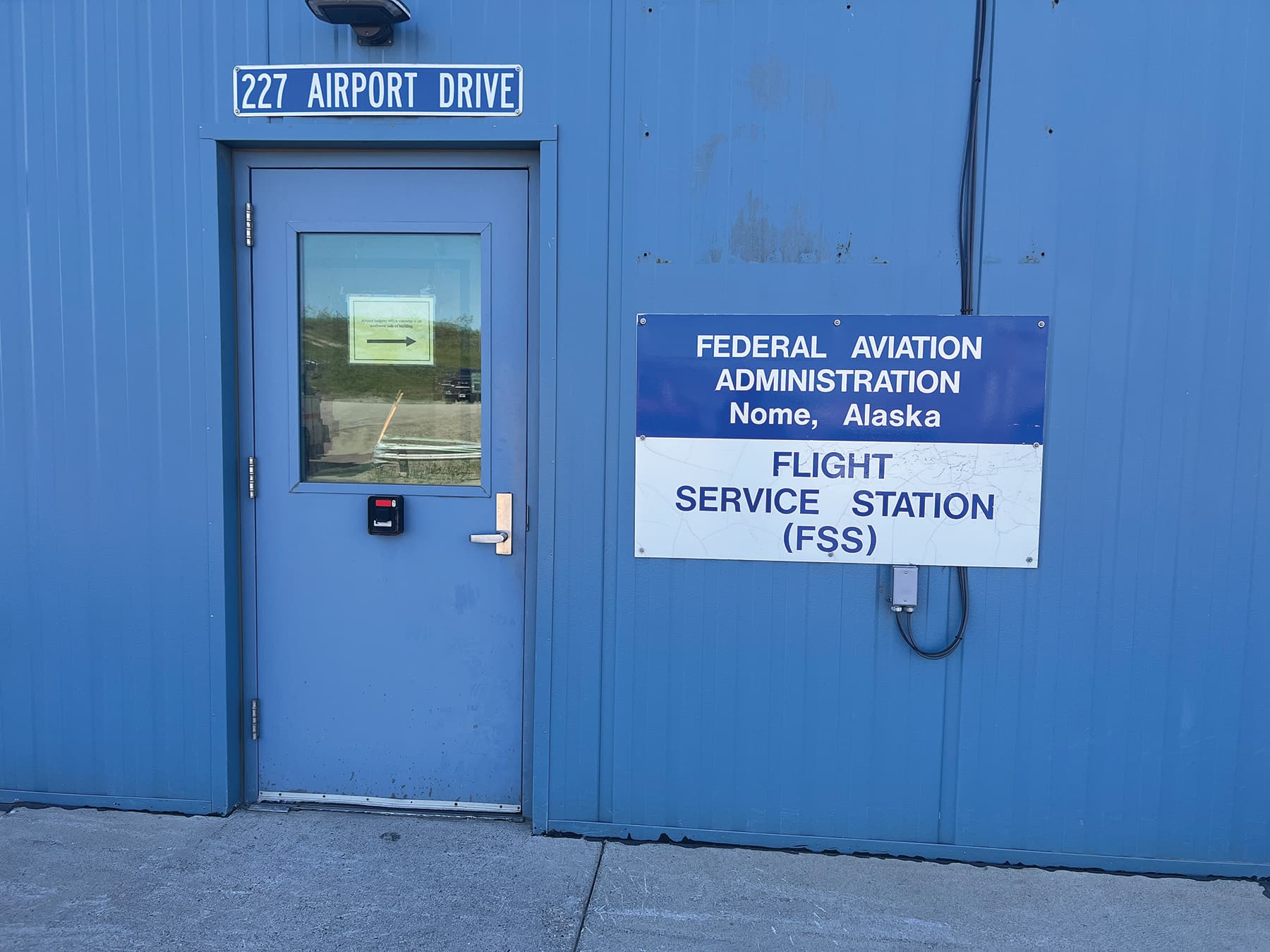
Senate nears vote on Alaska pension bill, cost worries grow for local governments
A pension revival could help Utqiaġvik recruit teachers and police, but the Senate version may shift too much cost onto boroughs already stretched thin.
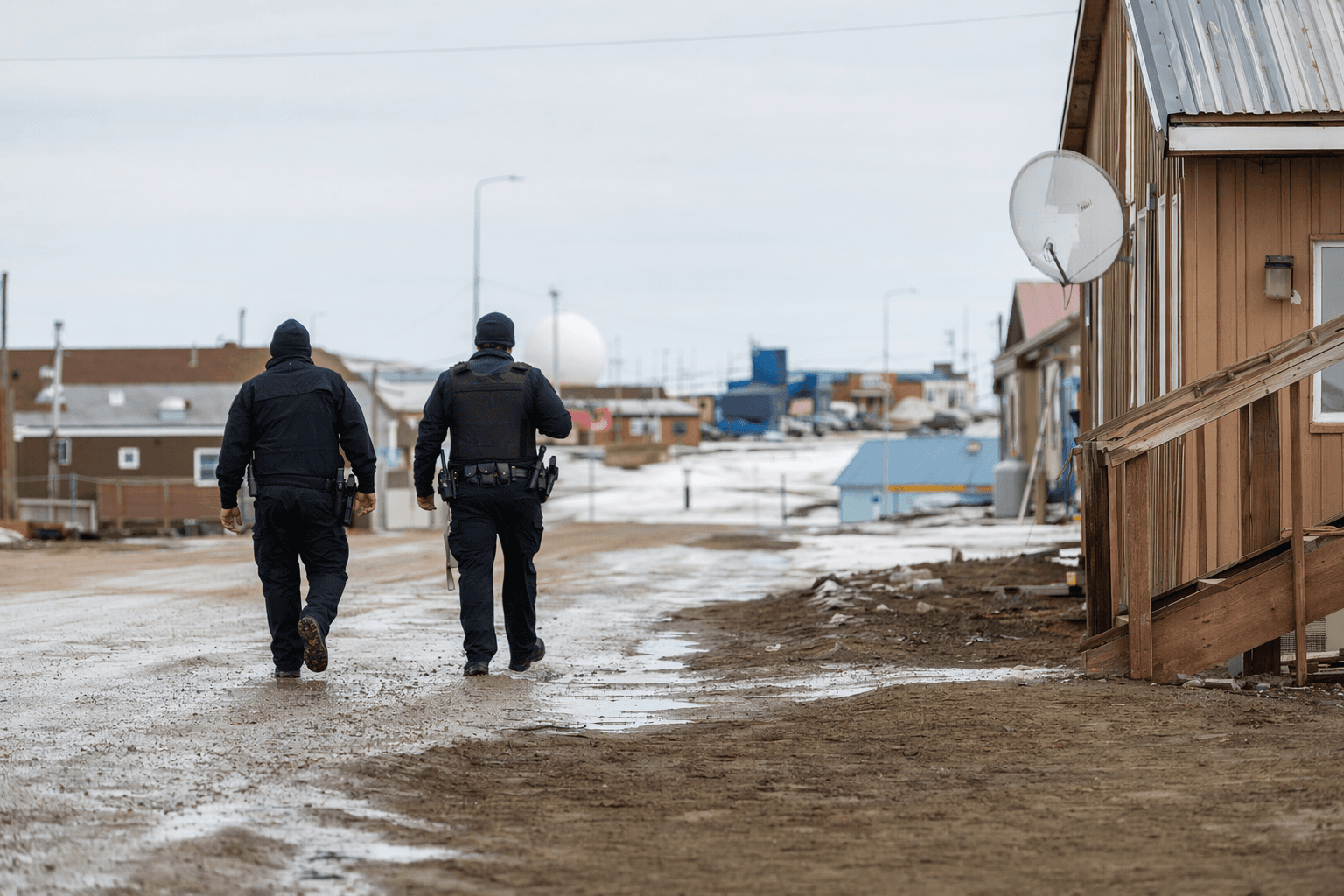
A revived Alaska pension system could matter far beyond Juneau if it helps the North Slope Borough hire and keep teachers, public safety staff and other hard-to-fill workers in a remote, high-cost labor market. The bigger question now is whether the bill’s price tag for local governments would undercut that goal.
House Bill 78 passed the Alaska House 21-19 on May 12, 2025, and Sen. Cathy Giessel later described it as a “two-year project.” The measure would create a new pension system for public-sector workers, replacing Alaska’s current defined contribution plan, and would cover state employees, teachers employed by local school districts and thousands of municipal workers across the state.
Supporters say the change would help public employers compete for mid-career and late-career workers who already have experience and institutional knowledge. That is the part of the argument that lands hardest in places like Utqiaġvik, Prudhoe Bay and other North Slope communities, where local governments and school districts are often trying to recruit from a small pool of applicants willing to live far from major population centers. In that setting, retirement benefits can be as important as salary when a city or borough is trying to fill an officer slot, a finance position or a classroom.
Cost remains the central obstacle. The Senate version would require municipalities to contribute more, and local governments have warned that they may not be able to absorb the added expense. For the North Slope Borough, where local government carries major responsibilities in communities tied to oil and gas activity, the practical tradeoff is stark: a richer retirement package could make jobs more attractive, but higher employer costs could squeeze budgets that already have to cover remote operations, housing pressures and essential services.
Alaska has been here before. The Alaska Public Employees’ Retirement System dates to 1961, and post-employment health care benefits were added in 1975. Senate Bill 141, signed by Gov. Frank Murkowski on July 27, 2005, closed the defined-benefit plan to new employees effective July 1, 2006, and new hires after June 30, 2006 have been placed in the defined contribution plan.
Lawmakers have tried to restore a pension system many times since then, but the debate has repeatedly come back to the same issue: whether Alaska can afford to make public jobs more competitive without pushing too much of the bill onto cities, boroughs and school districts.
This article was produced by Prism’s automated news system from verified source data, official records, and press releases, then run through automated quality and moderation checks before publishing. The system is built and supervised by the people who set the standards it runs under. Read our full AI policy.
Did this article answer your question?