Dunleavy Urges North Slope Oil Development as Energy Security Priority
Dunleavy is pressing for more North Slope drilling just as Willow’s revenue outlook shrinks and Nuiqsut fights over Teshekpuk Lake protections.

Mike Dunleavy is trying to recast the North Slope as more than a remote oil field: in Washington, he is arguing it is a national security asset, but in Utqiaġvik, Nuiqsut and Prudhoe Bay the real question is which projects, permits and tax streams follow from that claim.
His case leans on the National Petroleum Reserve in Alaska, a 23-million-acre federal oil reserve on the North Slope that President Harding set aside in 1923 for the U.S. Navy and that was transferred to the Bureau of Land Management in 1976. Dunleavy also points to the Trans-Alaska Pipeline System, which he says has moved more than 18 billion barrels since 1977, as proof that North Slope development still matters to Alaska’s economy and the nation’s fuel supply.
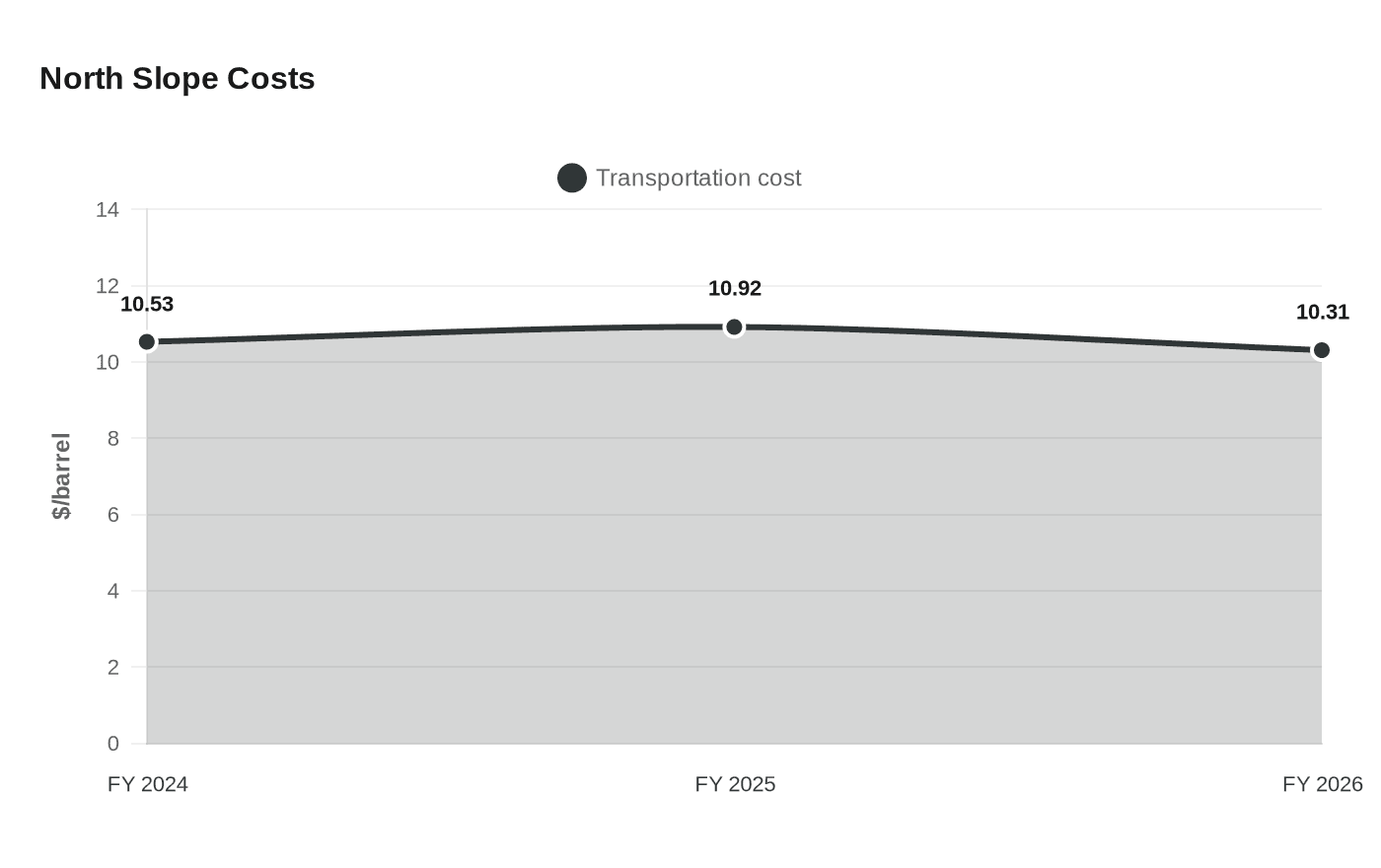
The state’s own revenue forecast shows why the debate is so local. Alaska’s Department of Revenue said North Slope transportation costs averaged $10.53 per barrel in fiscal 2024 and were expected to average $10.92 in fiscal 2025 and $10.31 in fiscal 2026. The same forecast projected North Slope production would rise from about 457,000 barrels per day in fiscal 2025 to 517,800 barrels per day the next year, but oil revenue would rise only slightly. For borough leaders who rely on oil-linked property taxes and royalties to help support the North Slope Borough’s 10,583 residents, that means new barrels do not automatically translate into a windfall.
Willow is the clearest test case. ConocoPhillips says the project in the NPR-A west of Prudhoe Bay is about halfway complete, should start producing in early 2029, and is designed to peak at 180,000 barrels per day. The company puts capital costs at about $8.5 billion to $9 billion. Yet state analysts now estimate Willow will net Alaska $2.6 billion from 2029 through 2053, down from a 2024 estimate of $5.2 billion, and the state says the project’s tax credits will exceed the revenue it generates over its life.
At the same time, the federal leasing machine is still moving. The Bureau of Land Management reported a record $163 million in high bids in a recent NPR-A lease sale, signaling that outside capital still sees value in the reserve. But that optimism collides with North Slope resistance. In January, Nuiqsut leaders sued after the Interior Department canceled a BLM agreement that had protected about 1 million acres around Teshekpuk Lake, where the Teshekpuk Caribou Herd moves through land central to subsistence life. For many residents, the issue is not abstract energy security. It is whether new drilling, roads and tax policy will strengthen local revenues without further squeezing the land and wildlife that communities depend on.
This article was produced by Prism’s automated news system from verified source data, official records, and press releases, then run through automated quality and moderation checks before publishing. The system is built and supervised by the people who set the standards it runs under. Read our full AI policy.
Did this article answer your question?