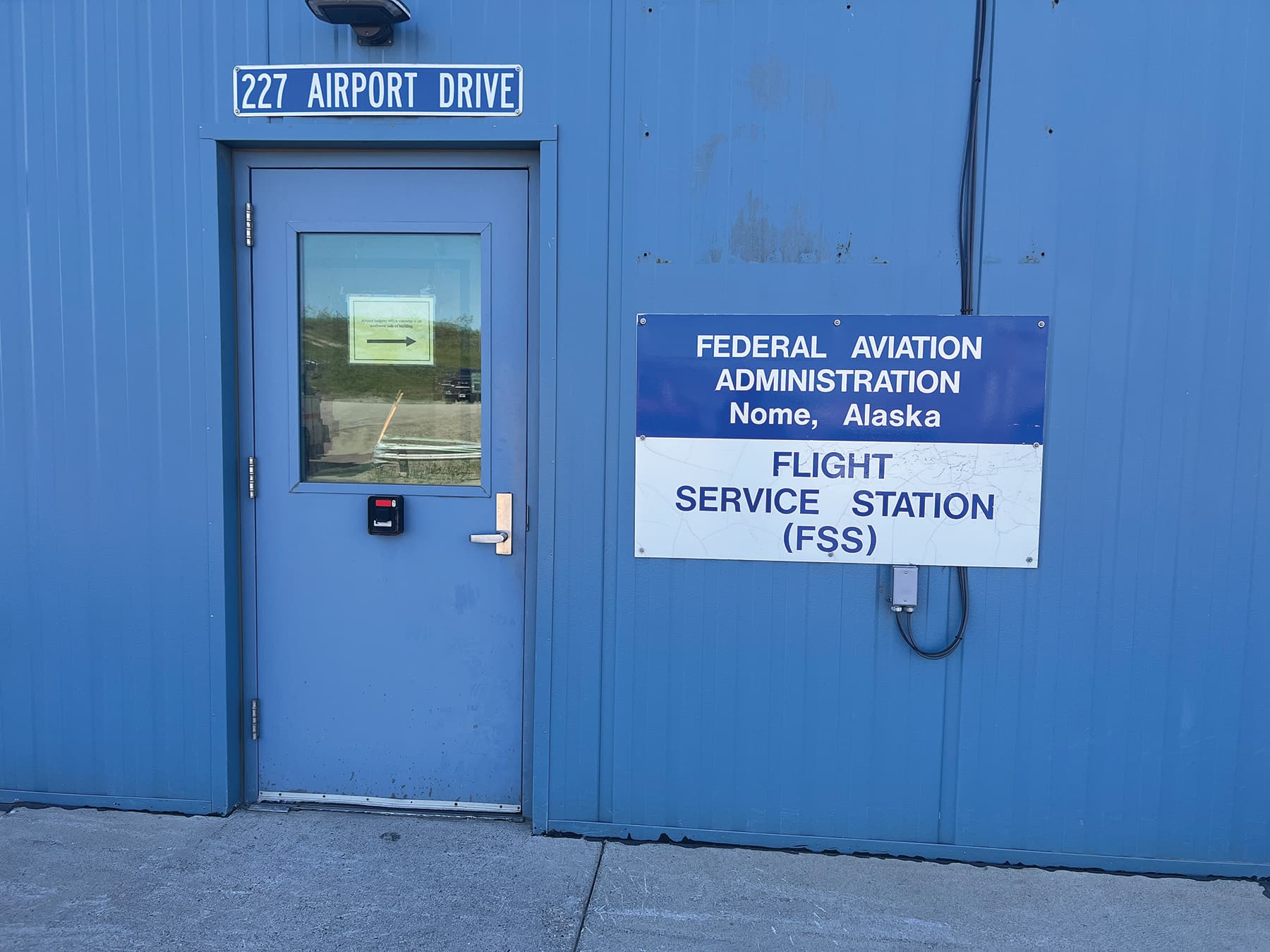
FAA weather stations promised for Alaska, site list still uncertain
Alaska is getting more than 100 new weather stations, but the FAA still has no final site list. For Utqiagvik, Wainwright and Point Hope, every delay matters.
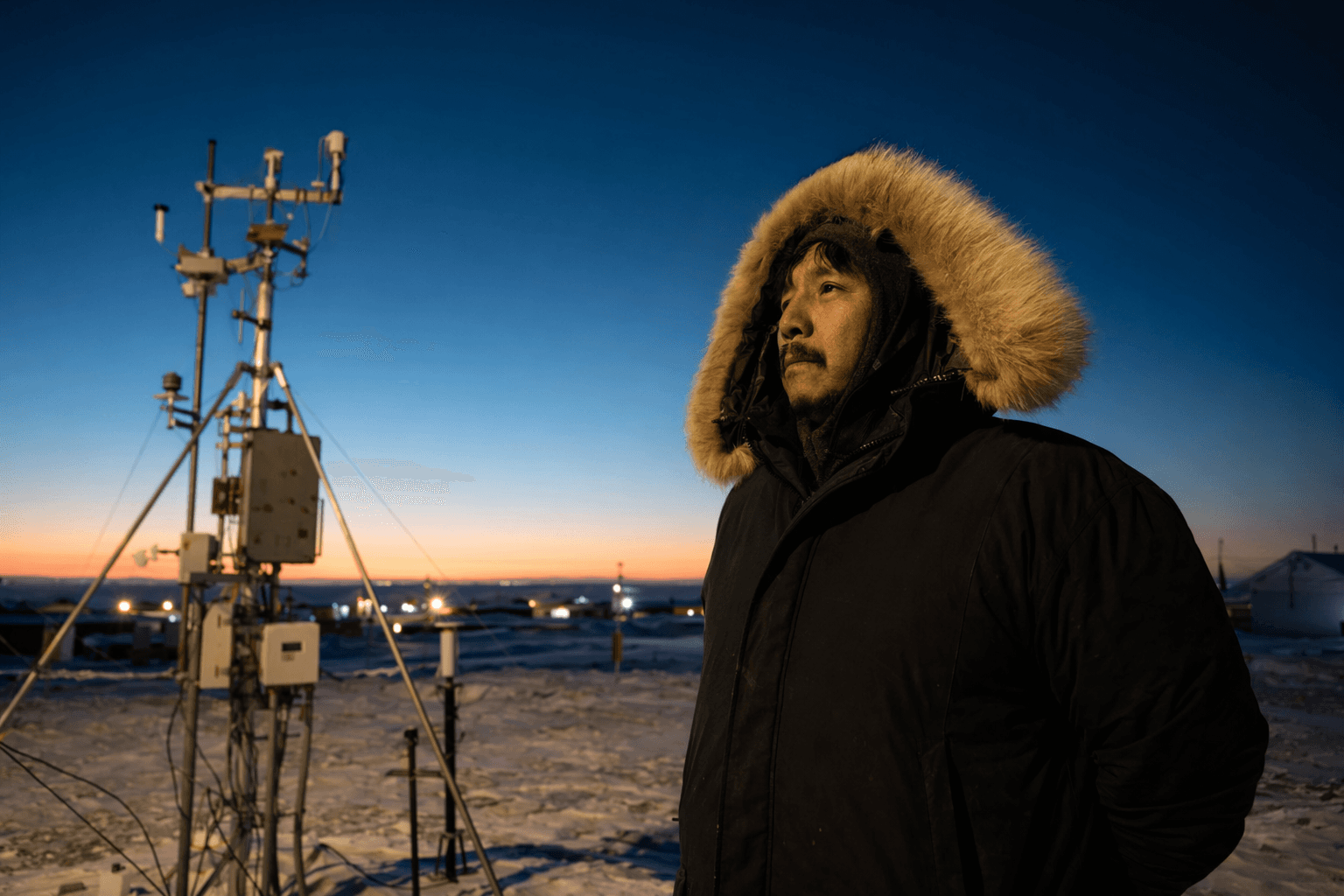
Alaska is set to gain more than 100 new FAA weather stations, but the agency still has not named where they will go. On the North Slope, that uncertainty leaves Utqiagvik, Wainwright and Point Hope waiting for equipment that could make the difference between a safe departure, a grounded plane and a delayed medevac.
Last year’s federal funding package promised more than 160 new weather stations for Alaska, and local aviation watchers had expected some of the gear to come online this summer or fall. Instead, the FAA says the final site list can still change. For airlines and air taxi operators, the missing map matters as much as the hardware itself because crews need time to finish approvals and update procedures before any station goes live.
Grant Aviation president Dan Knesek has said airlines need enough transparency to line up the paperwork and be ready to use the system as soon as it is installed. That concern is especially sharp in coastal and remote corridors where weather reporting gaps still make flying riskier, and where emergency air transport is difficult to plan around when clouds, wind or fog move in.
University of Alaska Anchorage economist Michael Jones said the most important sites are places with heavy freight and mail traffic, because incomplete weather information affects more than aircraft schedules. It affects food security and access to basic supplies. That warning fits the North Slope, where aviation is not a convenience. It is the lifeline for passengers, cargo, medical transport and travel tied to oilfield work. Utqiagvik serves as the borough’s economic, transportation and administrative center, while Wainwright and Point Hope depend on aircraft to keep freight moving and medevacs possible.
The FAA says Alaska’s weather camera network has already shown what better information can do. From 2007 to 2014, the agency said weather camera use in Alaska helped produce an 85% reduction in weather-related accidents and a 69% reduction in weather-related flight interruptions. The FAA also says camera images, combined with text weather products, give pilots a strong go-or-no-go decision tool.
This is not the first time Alaska has waited on weather infrastructure. In March 2022, the FAA said it had begun installing eight new Automated Weather Observing Systems in remote Alaska, with those sites expected to be operational by October 2022. A 2024 Alaska Legislature resolution later pressed Congress to address recurring AWOS outages across the state, and by August 2025 the FAA was set to install 174 more weather observer systems in Alaska.
The camera network now includes more than 260 systems across Alaska, Hawaii and the Lower 48, plus more than 175 sites hosted by NAV Canada. For North Slope communities that live with thin margins for weather, time and safety, the unresolved station map is a real infrastructure decision, with direct consequences for daily flights, supply chains and emergency response.
This article was produced by Prism’s automated news system from verified source data, official records, and press releases, then run through automated quality and moderation checks before publishing. The system is built and supervised by the people who set the standards it runs under. Read our full AI policy.
Did this article answer your question?