Alaska 44 Billion Gas Project Raises Local Economic and Environmental Questions
On December 22 a detailed review examined the proposed Trans Alaska gas line project, highlighting official cost estimates near 44 billion dollars, large North Slope gas resources, and significant uncertainties about buyers and financing. The proposal presents potential jobs and in state energy benefits, while raising risks to subsistence, wildlife, and coastal communities across the North Slope and Cook Inlet.

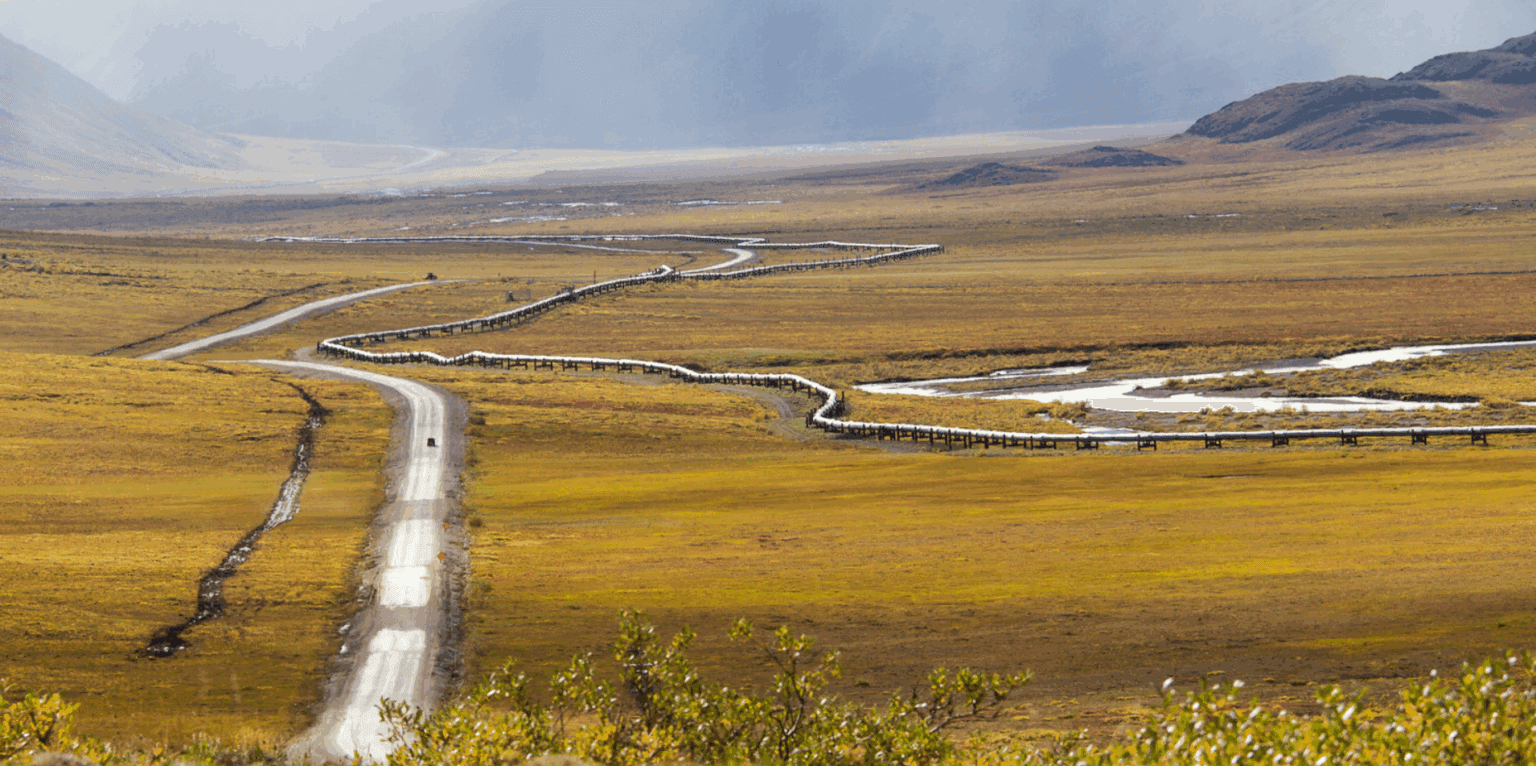
On December 22 a comprehensive look at the proposed Trans Alaska gas line laid out the economic and environmental tradeoffs for North Slope Borough residents and the state. Developers cite the region s tens of trillions of cubic feet of gas as the resource base for a project with an official price tag near 44 billion dollars. Independent analysts warn actual costs could be substantially higher, and the project would require a mix of public and private capital to proceed.
Glenfarne Group and other developers have discussed staged development options that would first build pipeline segments to serve domestic markets before committing to an export terminal. That sequencing could deliver earlier in state benefits such as reliable fuel supply and construction jobs, while allowing developers to seek firm buyer commitments for liquefied natural gas exports later. Market uncertainty remains a central economic risk, as developers still lack binding long term buyers, and global LNG prices and competition will determine export viability.
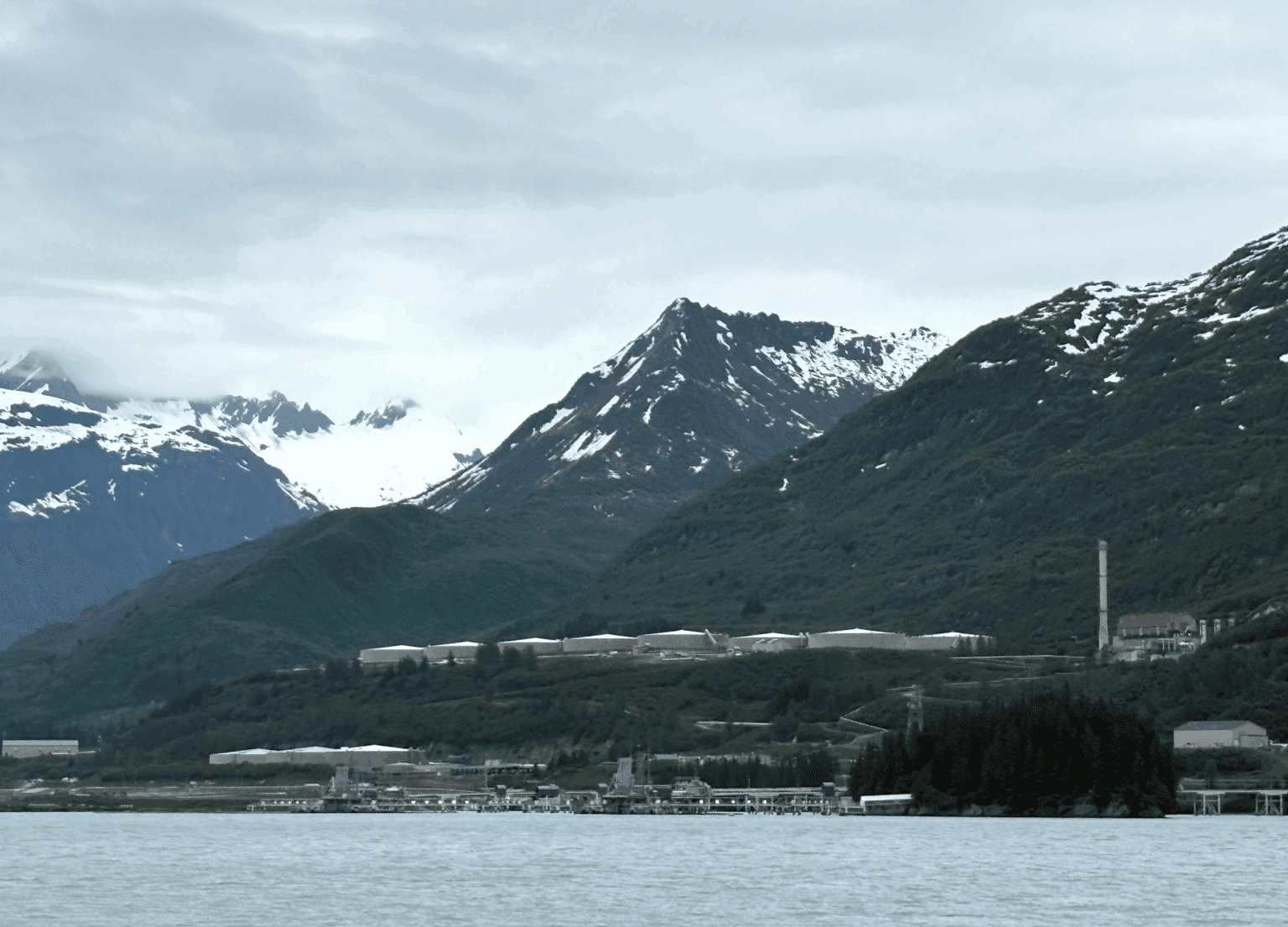
Federal permitting steps were taken earlier in December, a procedural advance that does not remove major regulatory or legal hurdles. Regulators must weigh climate and environmental impacts against potential economic gains. For North Slope communities the stakes are concrete. Construction and operation across tundra and coastal waters could affect caribou migration corridors critical to subsistence harvests. Marine impacts include concerns for marine mammals including Cook Inlet belugas, and fisheries and shoreline communities face risks from increased marine traffic and construction discharges.
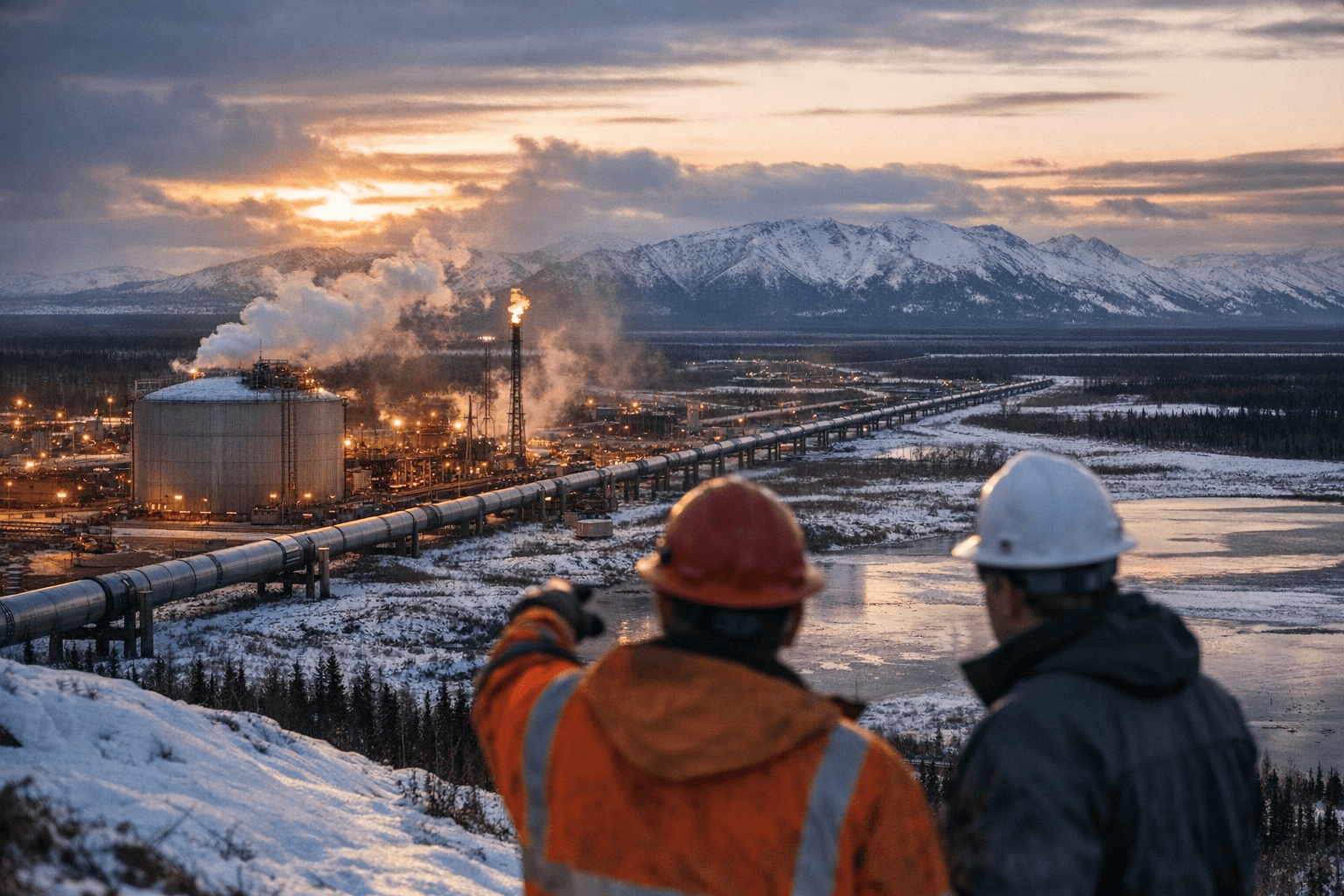
The project s scale would also have statewide fiscal implications. A multi decade gas delivery system could diversify Alaska s energy revenue stream beyond oil, but the upfront capital requirement is large relative to state budgets and competing priorities. Financing arrangements will shape how much economic benefit flows to local contractors, workers, and borough governments, and how risks are shared between taxpayers and private investors.
For North Slope Borough residents the near term questions center on permitting outcomes, firm buyer commitments, and the structure of financing. Long term implications include potential shifts in local employment, infrastructure development, and subsistence patterns. The coming months will focus on investor interest, regulatory decisions, and further analysis of environmental mitigation measures before any construction timetable is finalized.
Know something we missed? Have a correction or additional information?
Submit a Tip