Alaska crude reaches Asia as Strait of Hormuz stays closed
A 700,000-barrel tanker from Valdez was worth about $85 million, but the bigger question for North Slope is whether higher Asian prices will change production.
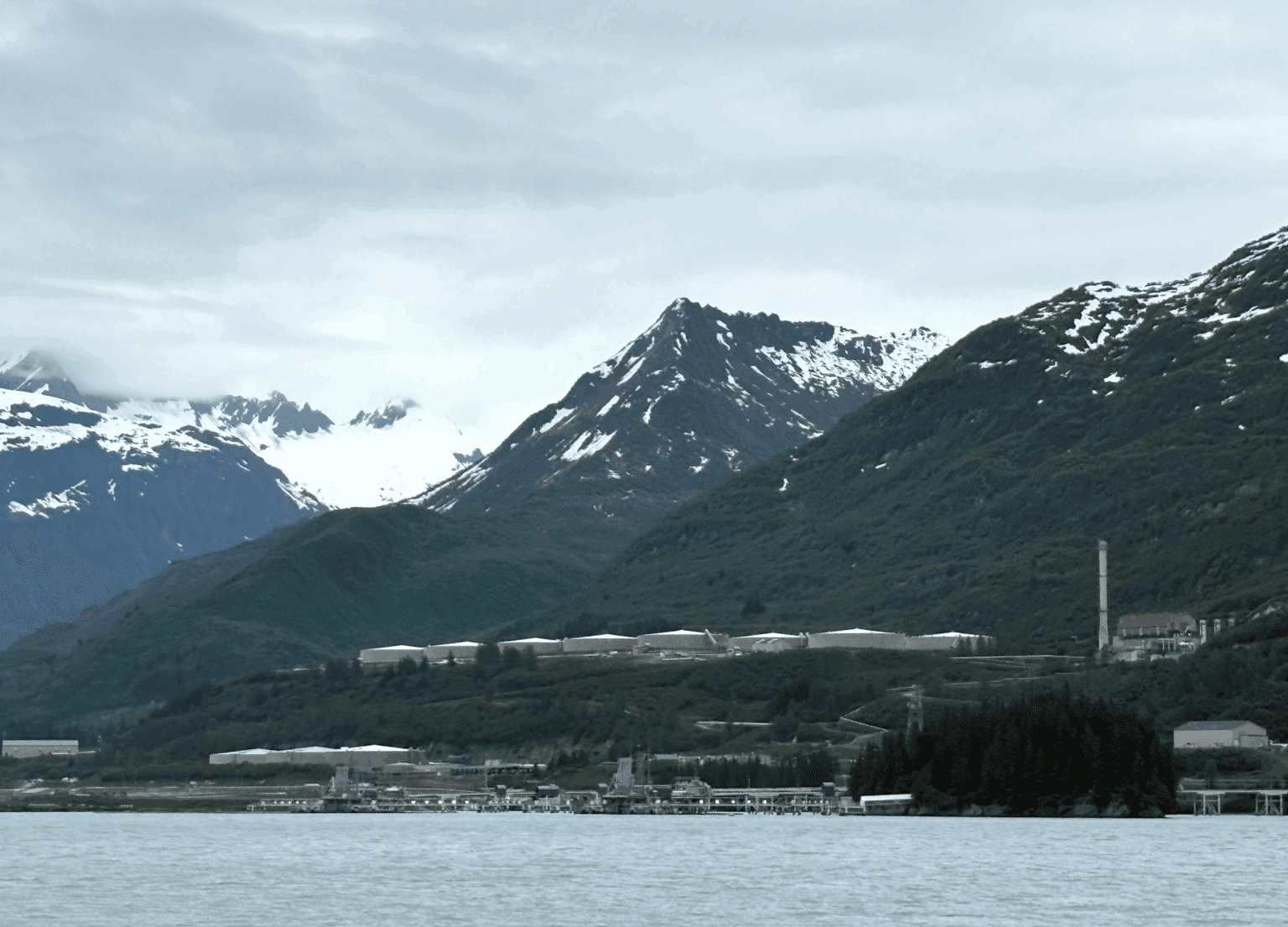
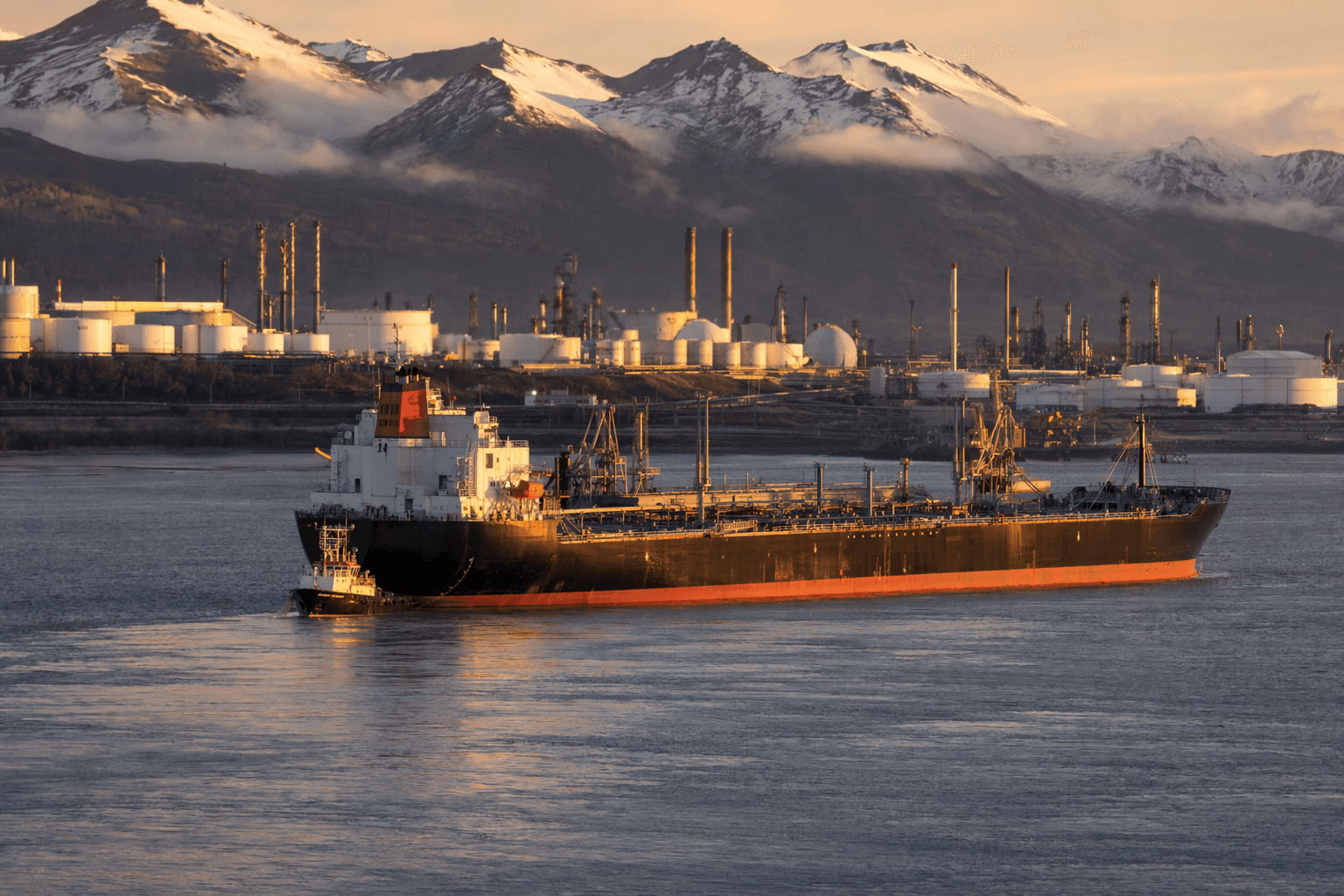
The Maritime Glory left Valdez loaded with about 700,000 barrels of Alaska North Slope crude, a cargo worth roughly $85 million at last week’s prices. That is a large shipment by any local measure, but it still amounted to only about three days of Alaska production, a reminder that even a headline-grabbing export run is a small slice of the state’s oil stream.
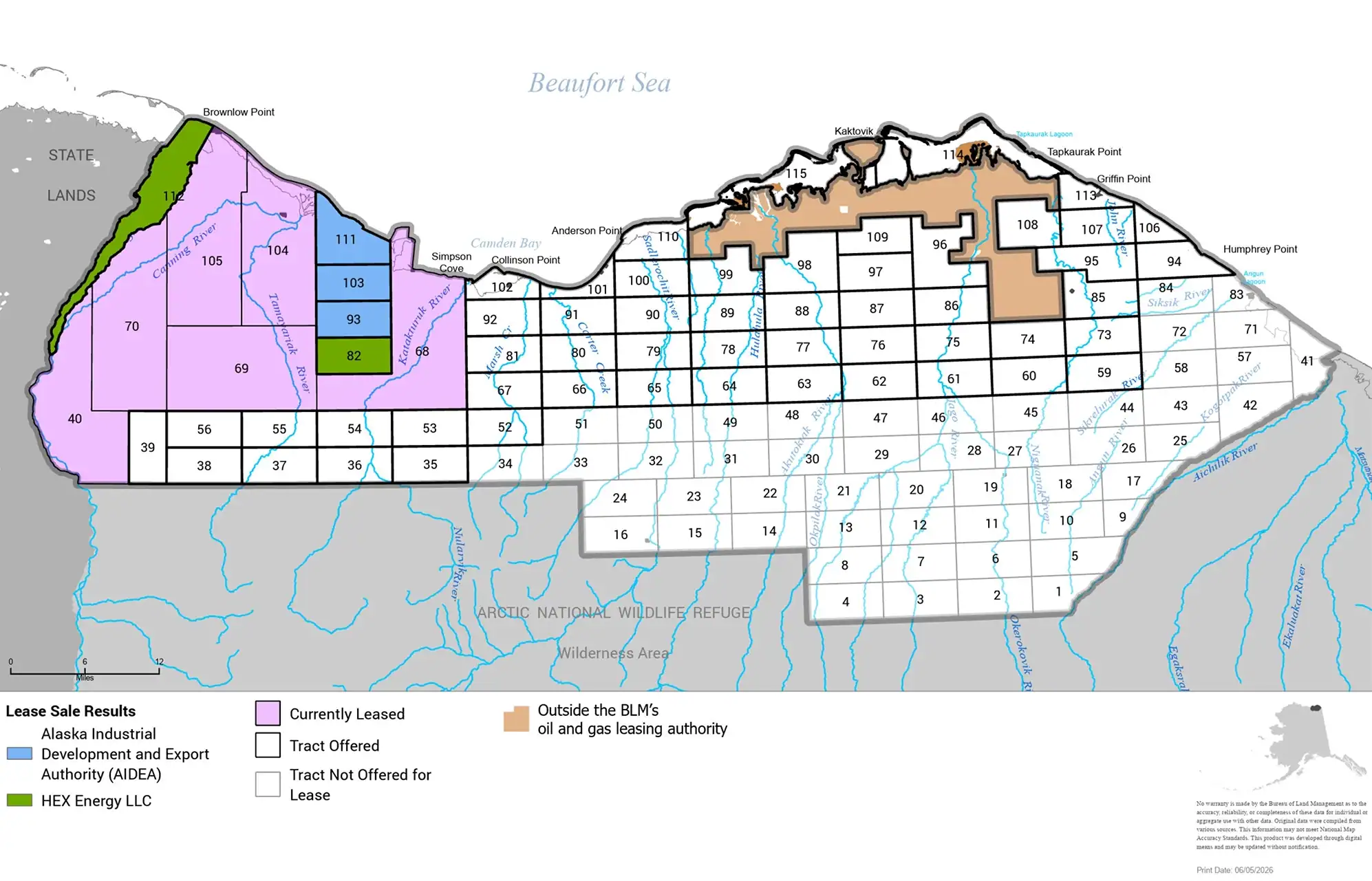
For North Slope Borough, the more important question is whether tighter global markets will change what comes out of the ground here. The Strait of Hormuz has had reduced traffic since Feb. 28 after attacks on commercial ships, and the strait handles around a quarter of global seaborne oil trade. When Gulf crude is harder to move, Asian refiners can pay more for alternatives, including Alaska barrels that travel through the Trans Alaska Pipeline System to Valdez.
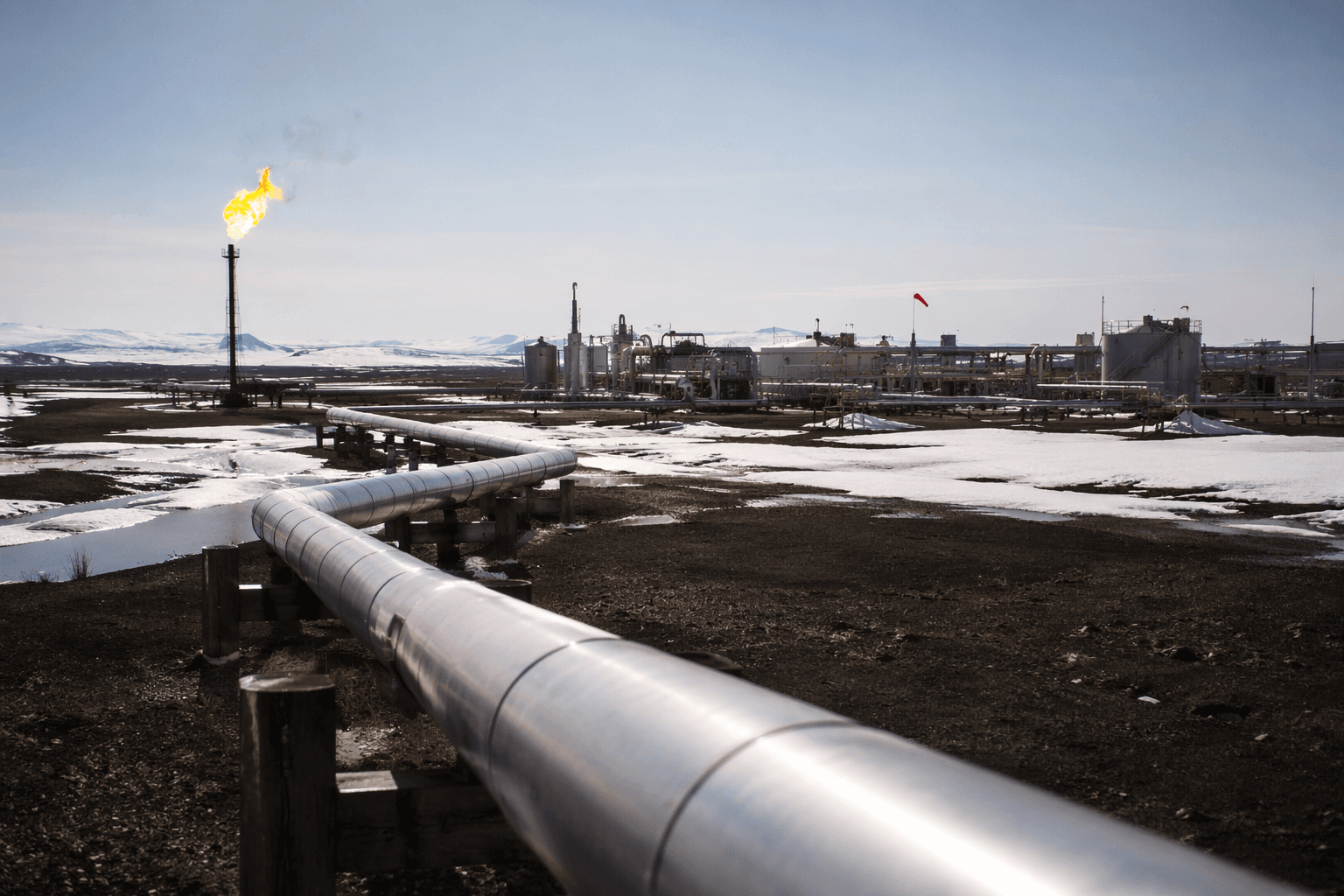
That matters locally because North Slope oil does not move in isolation. TAPS began carrying North Slope oil in 1977, runs 800 miles to Valdez and once peaked at about 2.1 million barrels a day in 1988. Alyeska Pipeline Service Company says average throughput fell to an all-time low of 462,821 barrels a day in 2025, and at those lower flow rates oil takes about two weeks to reach the Valdez Terminal. Slower, colder flow adds operational strain, even as overseas buyers show more interest.
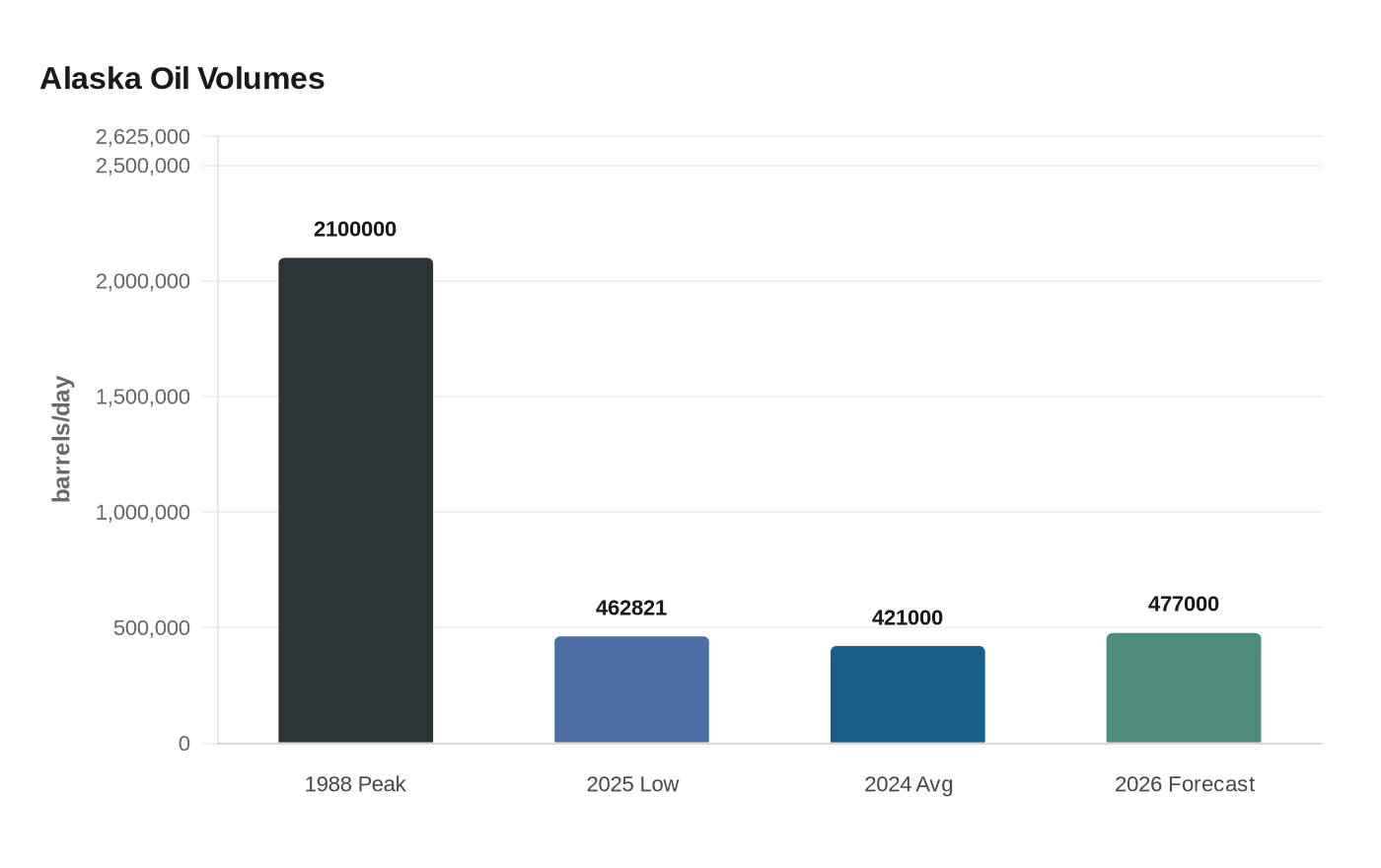
The market signal is real, but the local payoff is still uncertain. The U.S. Energy Information Administration said Alaska oil production averaged 421,000 barrels a day in 2024 and forecast 477,000 barrels a day in 2026, the highest level since 2018. The Alaska Department of Revenue’s spring 2025 forecast put Alaska North Slope output at 466,800 barrels a day in fiscal 2025 and 464,000 in fiscal 2026. Those numbers suggest a stable, modestly growing base, not a sudden surge. Any boost from Asian demand would have to be strong and durable enough to alter producer decisions, drilling plans and shipping schedules.
Valdez has shipped more Alaska oil to Asia before, including during the coronavirus pandemic in 2020. For now, the new run shows how a disruption thousands of miles away can lift the value of a North Slope barrel. Whether that premium reaches local payrolls, borough revenue or a stronger drilling case on the Slope depends on how long the Strait of Hormuz stays constrained and whether higher prices last long enough to change investment plans.
This article was produced by Prism’s automated news system from verified source data, official records, and press releases, then run through automated quality and moderation checks before publishing. The system is built and supervised by the people who set the standards it runs under. Read our full AI policy.
Did this article answer your question?