Alaska lawmakers seek flexibility in $272 million rural health grant rules
Alaska’s new rural health grant could help Utqiagvik and village clinics only if the state can spend faster, hire faster, and bend rules that now limit housing and facilities.
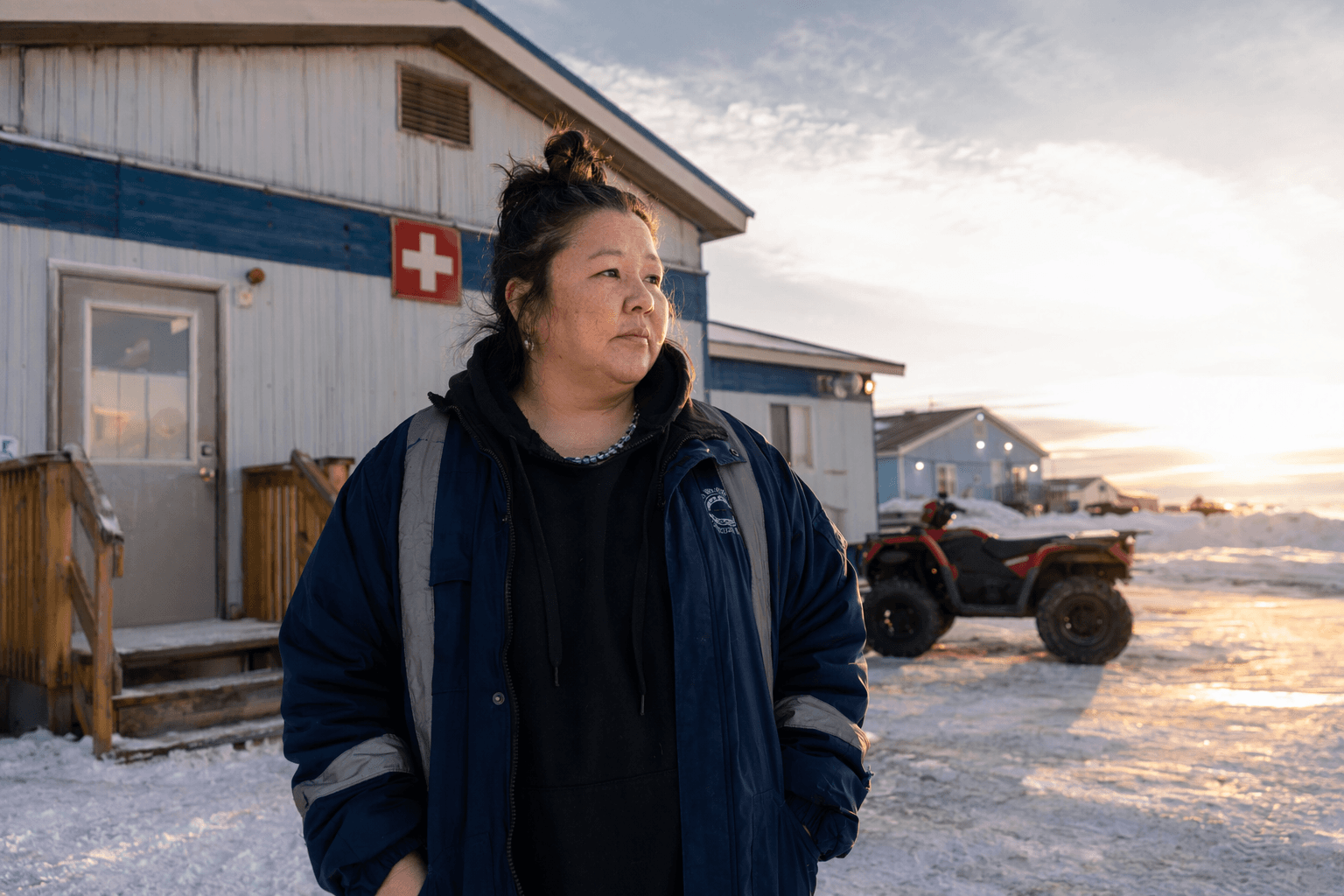
Alaska lawmakers are asking Washington for room to use a $272.2 million rural health grant in ways that would matter on the ground in Utqiagvik, Wainwright and Point Hope: keeping providers in place, easing medevac bottlenecks and stabilizing a fragile clinic system that serves some of the most remote communities in the country.
The state’s first-year award in the Rural Health Transformation Program is $272,174,856, with Alaska on track to receive nearly $1.4 billion over five years. That places Alaska near the top of the national range for first-year awards, and state health officials have cast the money as a chance for systemwide investments that could improve access to care and strengthen long-term stability.
Lawmakers and health officials say the problem is not the size of the grant but the rules around it. Federal guidance bars the money from being used to build or expand health facilities, including hospitals and staff housing. Officials also say the spending schedule is tight for rural Alaska, where procurement and construction can slow down because of weather, shipping and long supply chains. CMS says recipients have until the end of the following federal fiscal year to spend each year’s award, and unused money can be returned to the Treasury or redistributed.
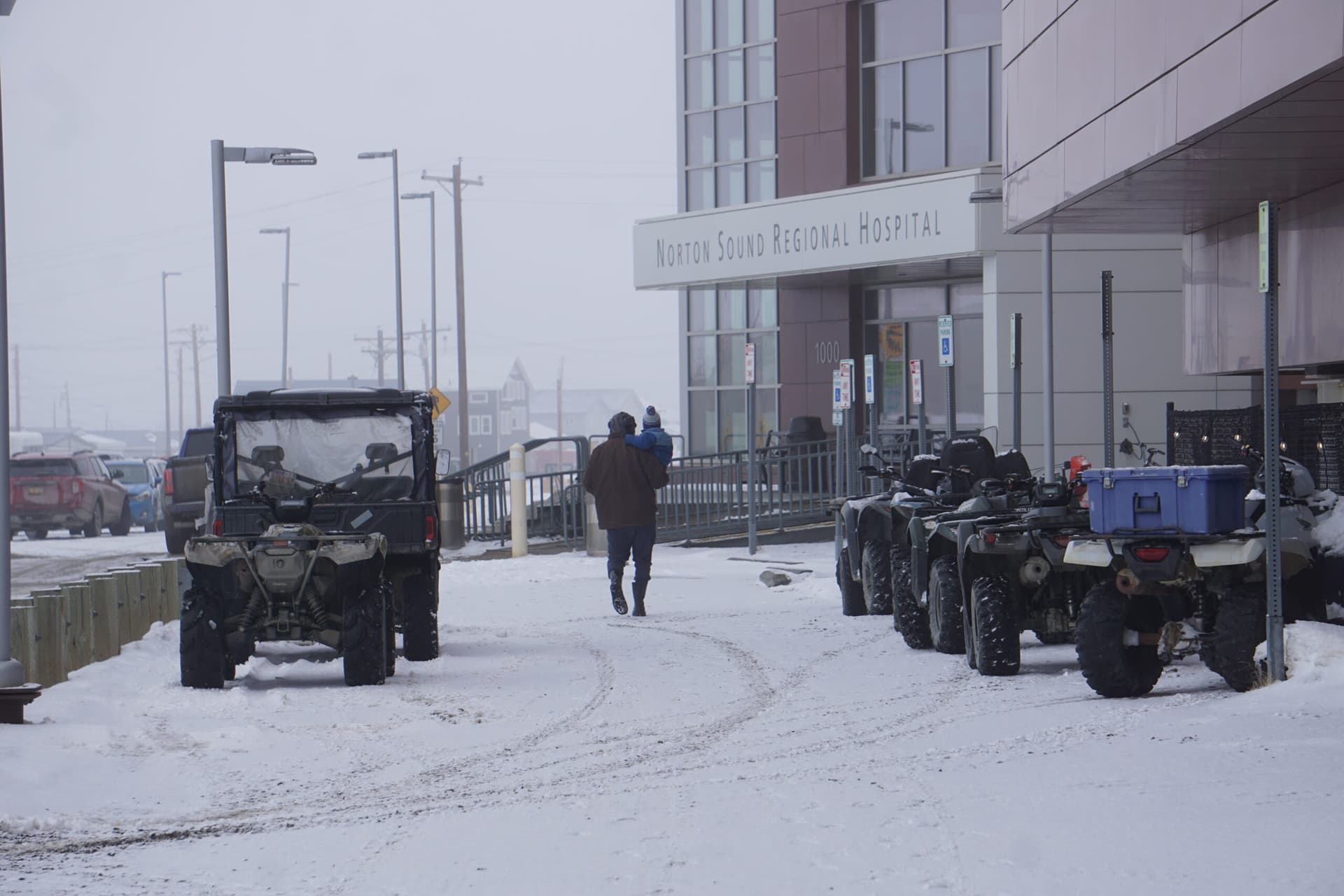
That matters on the North Slope, where the Barrow service area covers 95,366 square miles, there are no roads between Arctic Slope communities, and air travel and a short summer barge season carry most supplies. An Indian Health Service profile also noted 368 homes in the region without piped water and wastewater, a reminder that health care access in this part of Alaska is tied to basic infrastructure as much as clinical care.
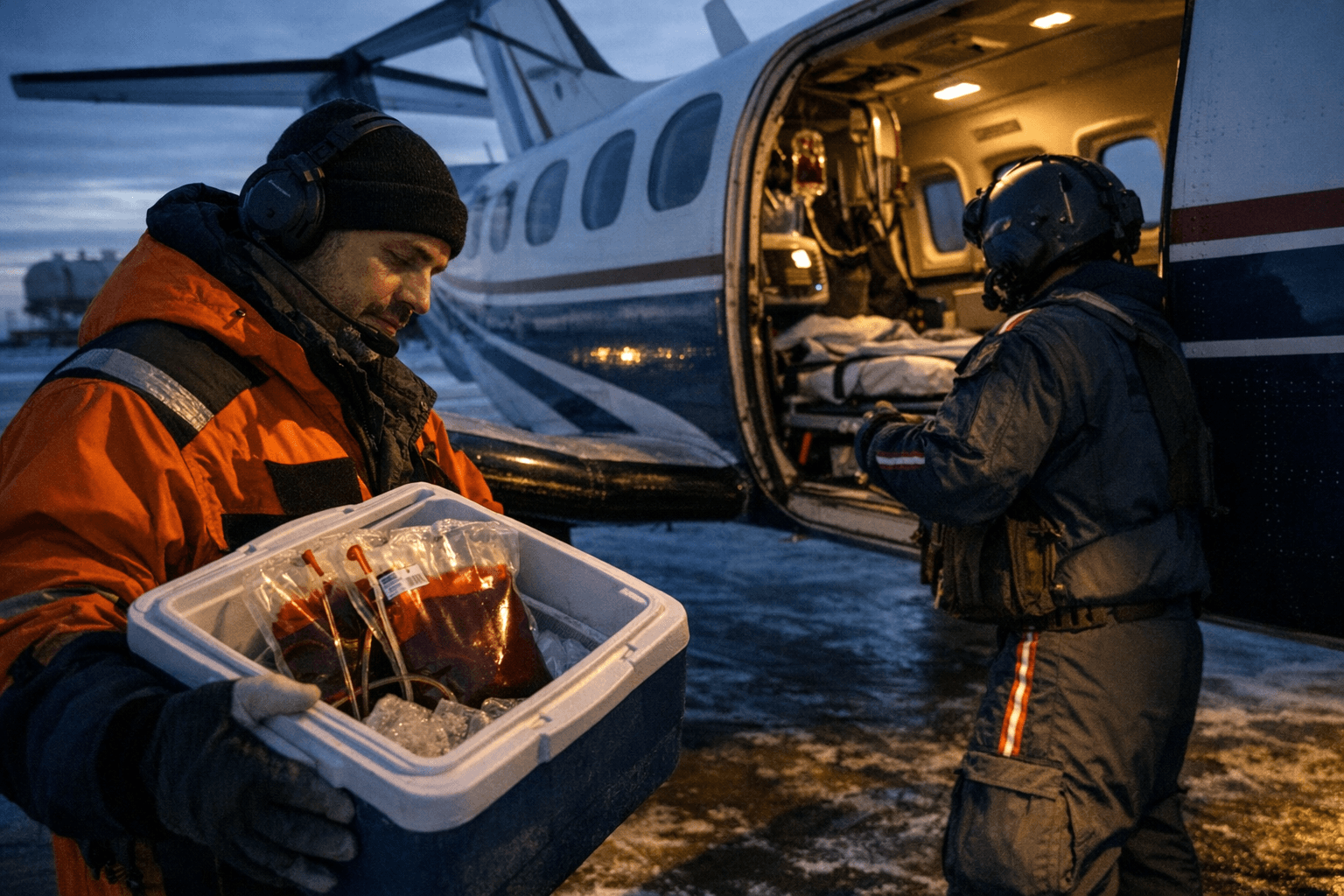
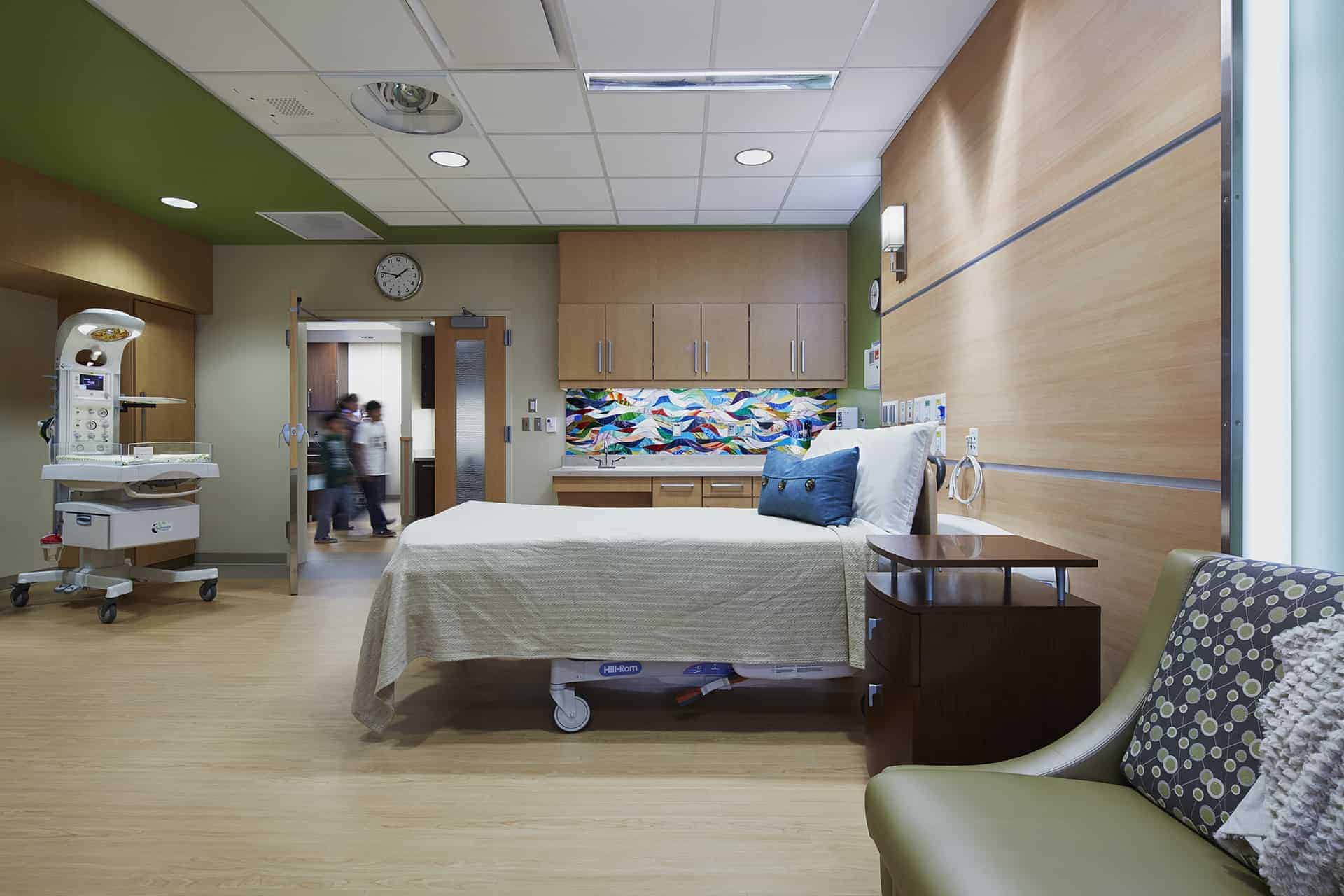
Samuel Simmonds Memorial Hospital in Utqiagvik is described by the Arctic Slope Native Association as a 10-bed hospital and the regional hub for care. If the grant cannot be used for housing or other facility needs, local providers warn the state may struggle to keep staff close enough to meet demand, especially when patients need urgent transfer to Anchorage or Fairbanks.
The workforce strain is already visible statewide. In a March 12 report, Alaska Public Media said one in five registered nurse positions in Alaska were unfilled and that filling those jobs took more than three and a half months on average. Alaska’s application to the federal program said it would pursue interstate licensure compacts and other regulatory changes, a sign that the state sees workforce rules as part of the access problem, not separate from it.
The Alaska Department of Health said it received nearly 1,800 letters of interest during the first application window, which ran from Feb. 17 to March 11, 2026. An advisory council has been set up to guide the program, with steering and stakeholder committees, but final authority remains with the commissioner. The Alaska Native Tribal Health Consortium holds the tribal seat.
State officials say the six initiative areas include health care access, workforce supports such as housing and childcare, and telehealth and technology upgrades. For North Slope communities, the value of that flexibility will be measured less by how much money Alaska receives than by whether it can keep a nurse, a clinician or a medevac-ready system available when the next emergency comes in from the villages.
This article was produced by Prism’s automated news system from verified source data, official records, and press releases, then run through automated quality and moderation checks before publishing. The system is built and supervised by the people who set the standards it runs under. Read our full AI policy.
Did this article answer your question?