Samuel Simmonds Memorial Hospital Anchors Arctic Health Care for North Slope Villages
The only hospital for a North Slope region larger than Washington State, SSMH in Utqiagvik handles emergency trauma to childbirth in-house, but complex cases still medevac to Anchorage.
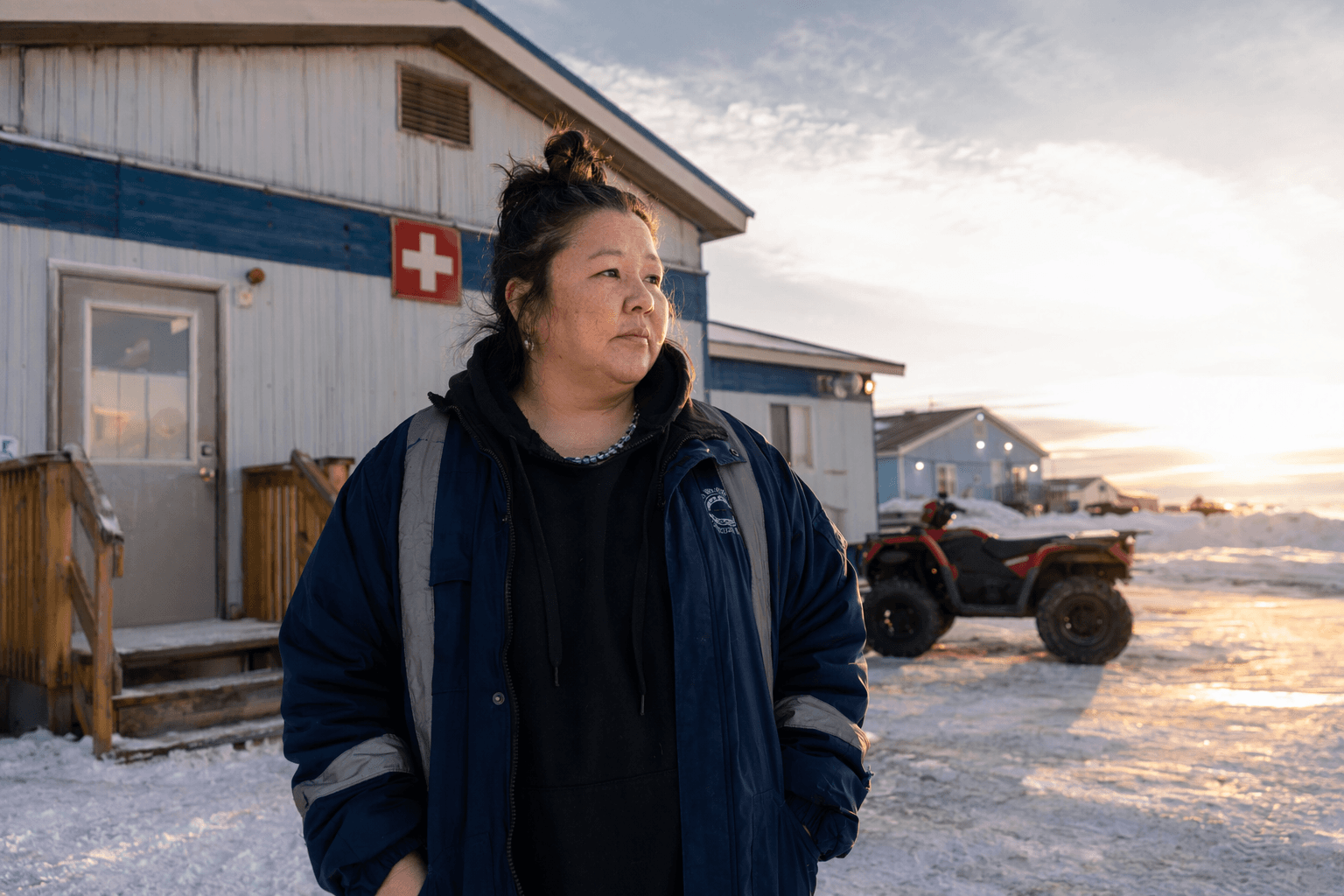
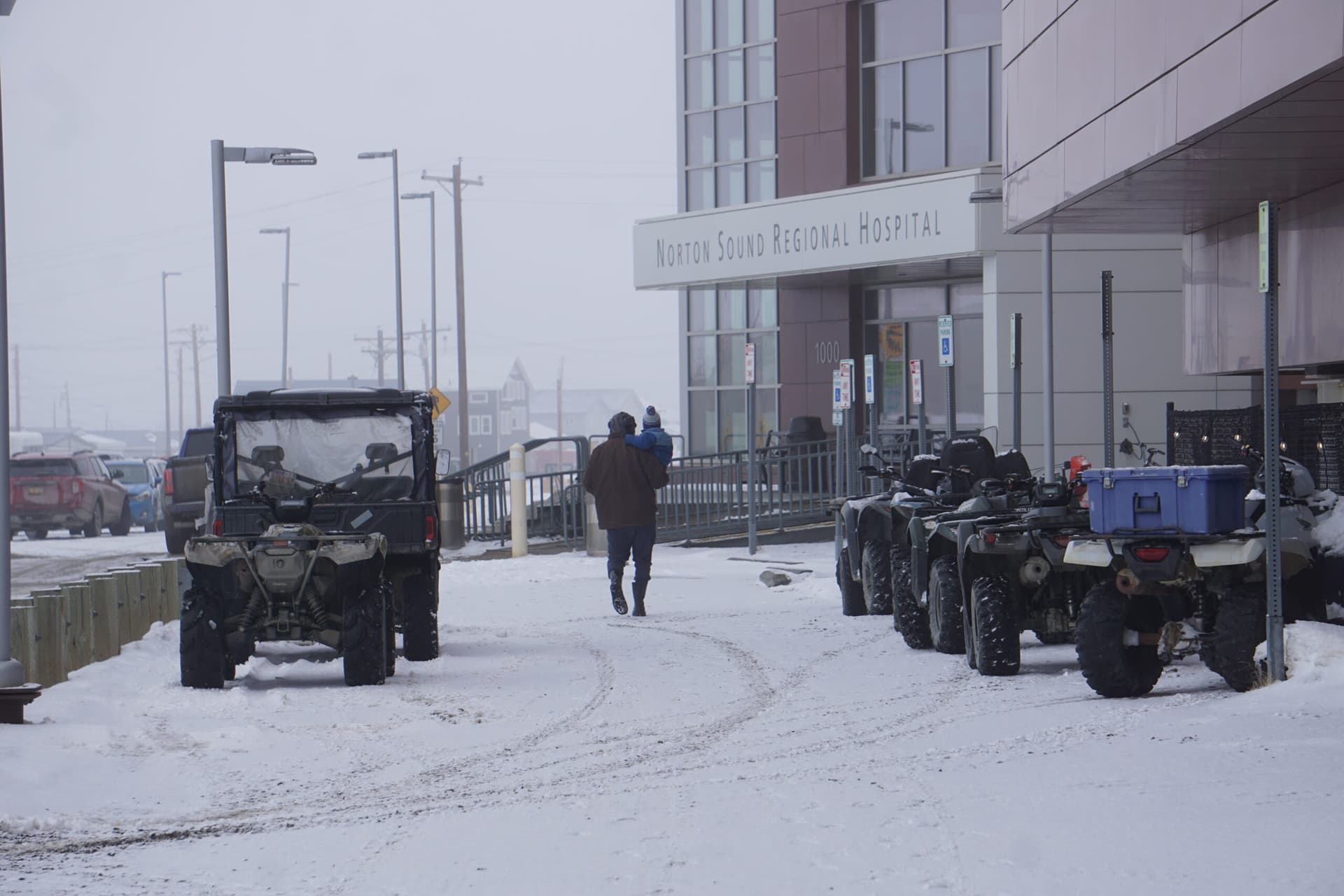
Samuel Simmonds Memorial Hospital sits at the absolute center of health care for a stretch of Alaska that covers more territory than the entire state of Washington. For the roughly 10,000 people spread across North Slope Borough's communities, this 109,000-square-foot facility on Uula Street in Utqiagvik is not simply the nearest hospital; it is the only one. Named after Samuel Simmonds, a Presbyterian minister, Iñupiat native rights advocate, and celebrated ivory carver whose works are displayed inside its walls, the hospital opened in September 2013 after a $160 million investment by the Arctic Slope Native Association (ASNA), the Indian Health Service, and the Denali Commission.
What SSMH Treats in Utqiagvik
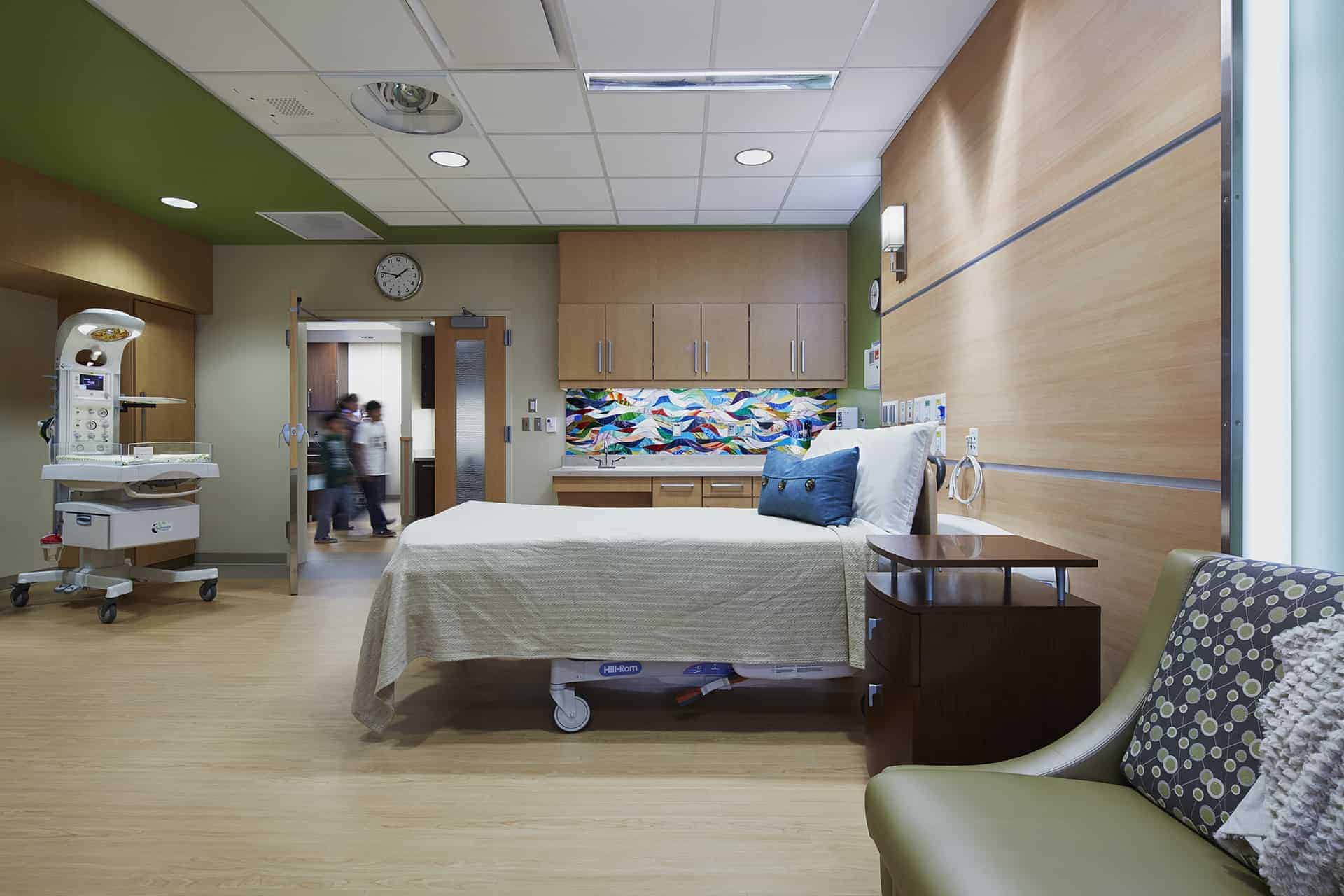
SSMH is a certified Level IV Trauma Center and holds the distinction of being the northernmost facility with that designation in the United States. Its emergency department operates 24 hours a day, seven days a week, with four treatment rooms and a dedicated procedure room. Inpatient capacity runs to 10 beds total: six medical/surgical beds, two swing beds, and two labor and delivery rooms. SSMH is also the only inpatient and commercial pharmacy serving the entire North Slope region, making it the singular source of dispensed medications for Utqiagvik and its surrounding villages.
The outpatient side includes a primary care clinic, a rotating specialty clinic, a dental clinic that runs year-round, and an eye clinic staffed two weeks out of every month. Additional services cover laboratory, radiology with on-site mammography, audiology, physical therapy, respiratory therapy, and obstetrics/gynecology. ASNA's website and social channels publish the monthly specialty clinic rotation schedule, including visits from consultants affiliated with the Alaska Native Medical Center in Anchorage.
When a Case Goes to Anchorage or Fairbanks
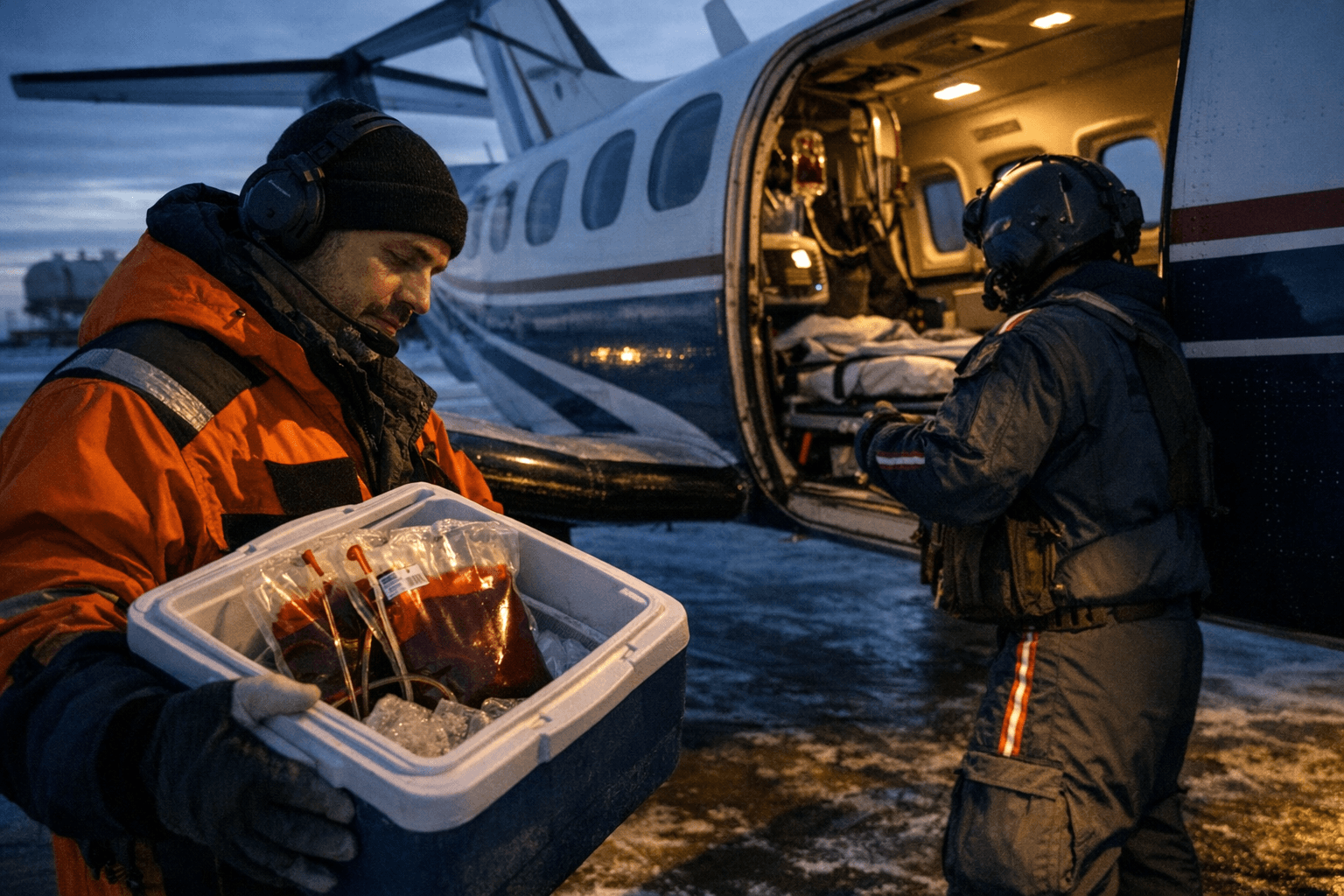
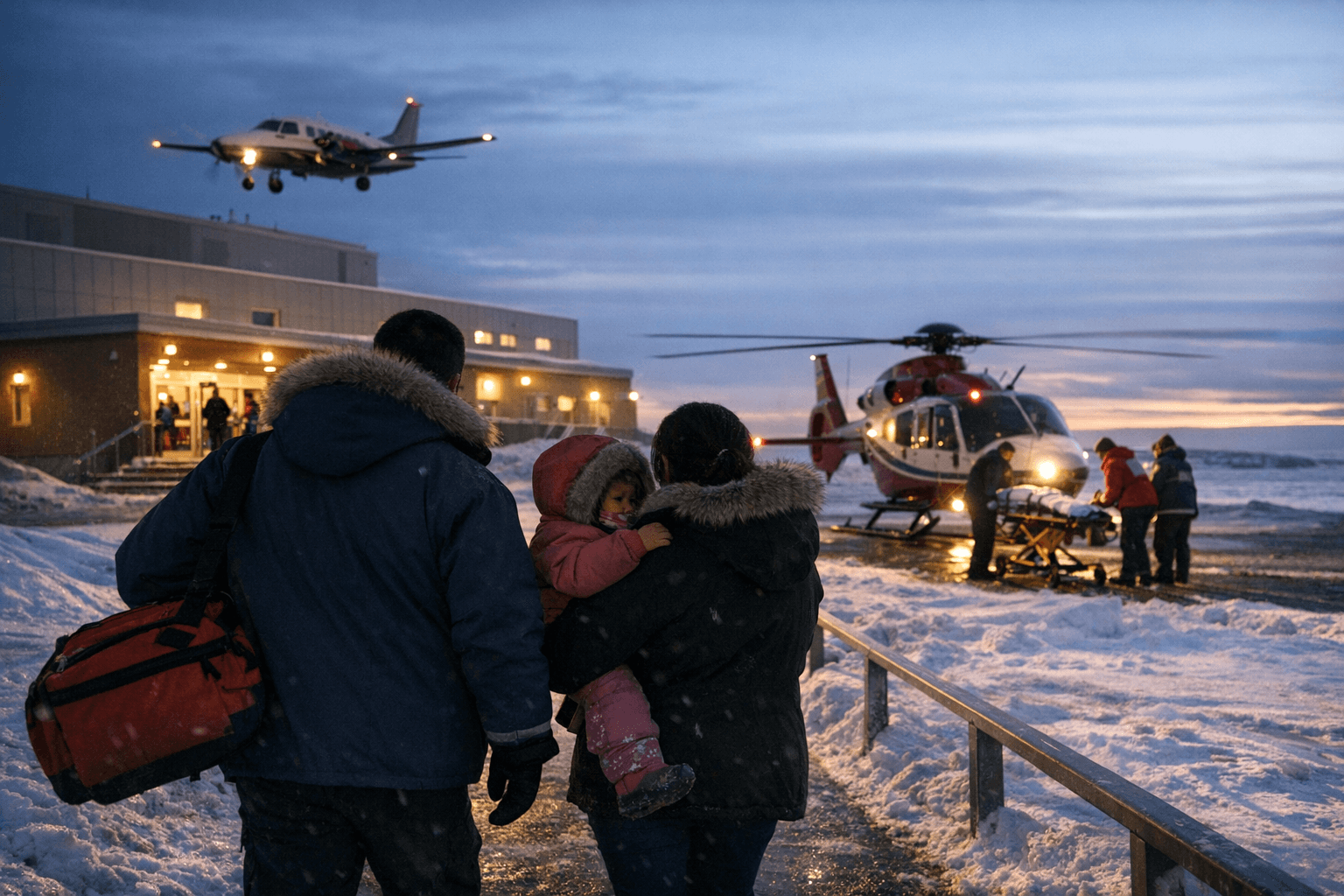
SSMH is engineered for stabilization, primary care, and moderate-acuity inpatient cases. Patients who need subspecialty surgery, advanced cardiac intervention, neonatal intensive care, neurosurgery, or oncology services are coordinated for medevac or scheduled air transport to referral hospitals, primarily in Anchorage. This coordination is not an exception; it is a routine part of care planning at SSMH, and the hospital's staff manages transport logistics as a standard clinical function.
For patients living in villages outside Utqiagvik, the transfer pathway typically moves in two stages: an air transport from the village to SSMH for initial evaluation and stabilization, then a second flight onward to Anchorage if the case requires higher-level care. Weather across the North Slope can delay either leg of that journey, which is exactly why SSMH's stabilization capacity matters even for patients ultimately destined for a larger facility.
Urgent Needs: The Fastest Path to Care
For any medical emergency in Utqiagvik, go directly to the emergency department at 7000 Uula Street. The ED is staffed and open around the clock, and emergency care at SSMH does not require advance scheduling. The hospital's main contact number listed in public provider records is 907-852-9203; current contact details are best confirmed through the ASNA website before travel when possible.
If you are in one of the villages outside Utqiagvik and facing a medical emergency, contact your community health aide immediately. The North Slope Borough Community Health Aide Program (CHAP) can be reached at (907) 852-0256. CHAP aides are trained under agreements with SSMH and the Alaska Native Tribal Health Consortium, and they are authorized to provide outpatient and emergency care on site while coordinating transfers to Utqiagvik. In life-threatening situations, call 911; emergency management in North Slope Borough is coordinated with SSMH for medevac dispatch.
Non-Urgent Care: Scheduling and Specialty Access
For primary care, dental appointments, or specialty clinic visits, call SSMH directly to schedule in advance. Specialty visits require early planning because clinics rotate on a monthly schedule tied to visiting provider availability; confirming a specific service is available on a given date before traveling is essential, particularly for patients flying in from outlying villages. The ASNA website and Facebook page publish upcoming specialty clinic dates.
Behavioral health services in Utqiagvik operate separately through the North Slope Borough's Integrated Behavioral Health program, located at 5200 Karluk Street. Reach them at (907) 852-0366, Monday through Friday, 8:30 a.m. to 5 p.m., for an initial screening appointment. For public health services including immunizations, WIC nutrition support, and public health nursing, the North Slope Borough Community Health Services division handles scheduling at (907) 852-0344.
The Village Clinic Network
SSMH anchors a distributed care network that extends to Atqasuk, Kaktovik, Nuiqsut, Point Lay, and Wainwright, all five of which are reachable only by air. Village clinics staffed by community health aides operate under the medical oversight of both SSMH and the North Slope Borough, handling primary care, chronic disease management, immunizations, and emergency stabilization. Referrals flow to SSMH when a condition exceeds the aide's scope of practice, and telehealth connections between village clinics and SSMH physicians allow real-time remote consults that can reduce the number of air transports required for non-emergency evaluations.
Without functioning village clinics and trained aides, every routine visit would require a flight to Utqiagvik, a cost and logistical burden that would overwhelm both household budgets and the regional medevac system. The network is what makes preventive and primary care viable across 88,000 square miles of Arctic terrain.
Staffing, Telehealth, and Wait Times
SSMH blends a core permanent clinical team with visiting clinicians and locum tenens providers who rotate through on temporary assignments. That model allows the hospital to deliver a broader range of services than a 10-bed facility could sustain with permanent staff alone, but it also means that care continuity and capacity can shift with provider rotations. Specialty clinic availability in particular can vary month to month depending on which consultants are scheduled.
Weather-related travel delays add another variable: when winter storms ground flights, incoming locum providers and outbound medevac patients alike may face multi-hour or multi-day holds. SSMH's telehealth infrastructure helps bridge those gaps by enabling remote specialist consults that can substitute for in-person visits or stabilize a patient while logistics are resolved. Residents planning elective procedures or specialist follow-ups should contact SSMH's scheduling team as early as possible and confirm that the specific service they need will be available on the intended date.
Cultural Governance and Long-Term Sustainability
ASNA has managed SSMH since March 1996 under a P.L. 93-638 Title V self-determination agreement with the Indian Health Service, a structure that gives the Iñupiat-led organization direct authority over how care is designed and delivered. That governance model means clinical programming is shaped by Iñupiat values: family-centered care, cultural knowledge woven into patient interactions, and a mission that extends beyond hospital walls into social services, behavioral health, and community well-being.
The hospital's physical design reflects this grounding, with interior elements drawn from Arctic Slope heritage and Samuel Simmonds' own ivory carvings on display within the building. For borough officials and tribal leadership, the ongoing work of recruiting and retaining clinicians in one of the most remote communities in the United States, managing supply-chain logistics at Arctic scale, and funding medevac coordination costs remains central to every long-term health investment decision. Current service schedules, clinic hours, and patient guidance are maintained by ASNA and updated regularly on its public channels.
This article was produced by Prism’s automated news system from verified source data, official records, and press releases, then run through automated quality and moderation checks before publishing. The system is built and supervised by the people who set the standards it runs under. Read our full AI policy.
Did this article answer your question?