Alaska LNG Project Gains Momentum as Middle East Conflict Disrupts Rivals
Qatar's Ras Laffan LNG facility — which supplied about a fifth of global LNG — is offline after Iranian missile strikes, sending Asian buyers toward Alaska's North Slope gas.
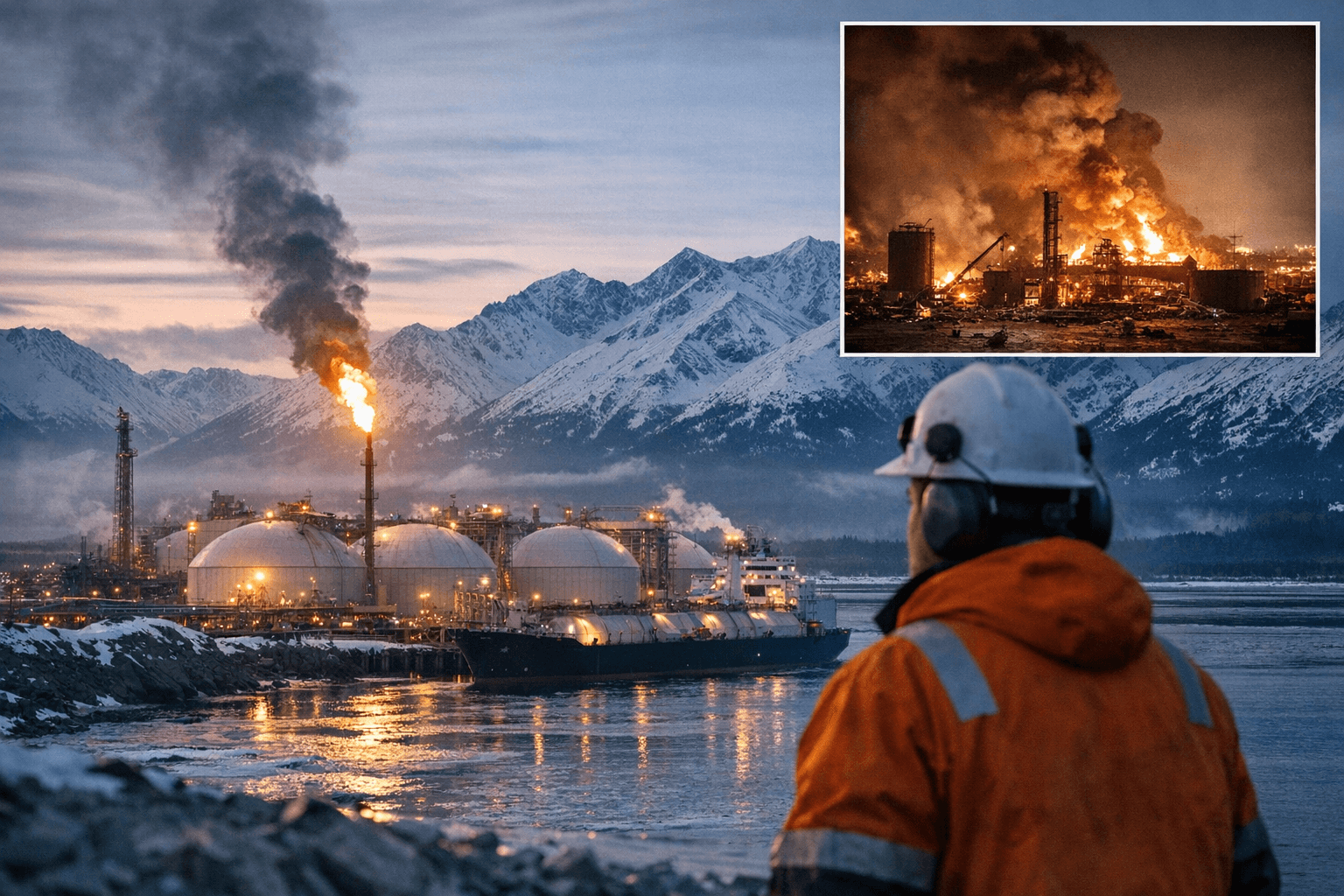
Qatar halted LNG production on March 2 after Iranian drone strikes hit Ras Laffan and Mesaieed Industrial City, and the damage has only deepened since. Iranian missile strikes then inflicted "extensive damage" on Ras Laffan Industrial City, the world's largest LNG export facility. Two of Qatar's 14 LNG processing trains and one of its gas-to-liquids facilities were damaged, with repairs expected to sideline 12.8 million tonnes of LNG production per year for three to five years. For the North Slope, the timing could not be more consequential.
Glenfarne Group, the majority owner and developer of the Alaska LNG Project, aims to sign binding offtake agreements with buyers soon and advance final investment decisions to later in 2026 and early 2027, company executives told Reuters on the sidelines of an energy conference in Tokyo. "There's a real interest, particularly with everything happening in the Middle East right now. Everyone would like to get those (preliminary deals) turned into long-term agreements," said Adam Prestidge, president of Glenfarne Alaska LNG.
The $44 billion Alaska LNG project, strongly promoted and supported by the Trump Administration over the past year, has received a shot in the arm from the conflict as buyers seek greater diversification, following initial lukewarm reception of the Alaska project among Asian LNG buyers and investors. Qatar accounts for nearly 20% of global LNG exports, and its extended outage has left Asian buyers scrambling for alternatives that do not pass through the Strait of Hormuz or other contested waterways.
That geography is central to Glenfarne's pitch. Spokesperson Tim Fitzpatrick said in a written statement: "Global events repeatedly show the strategic advantage of Alaska LNG's location as the only U.S. source of LNG with direct Pacific access, avoiding contested waters and choke points. Glenfarne is working closely with Asian LNG buyers to accelerate commercial agreements and complete Alaska LNG."
The project's commercial position has strengthened considerably in recent months. Glenfarne intends to contract 80%, or 16 MTPA, of Alaska LNG's 20 MTPA volume to finance the project and now has 13 MTPA accounted for under preliminary long-term agreements with TotalEnergies, JERA, Tokyo Gas, CPC, PTT, and POSCO. The TotalEnergies agreement, a letter of intent for 2 million tonnes per annum of LNG, was signed in Washington, D.C., witnessed by U.S. Senator Dan Sullivan and Congressman Nick Begich of Alaska.
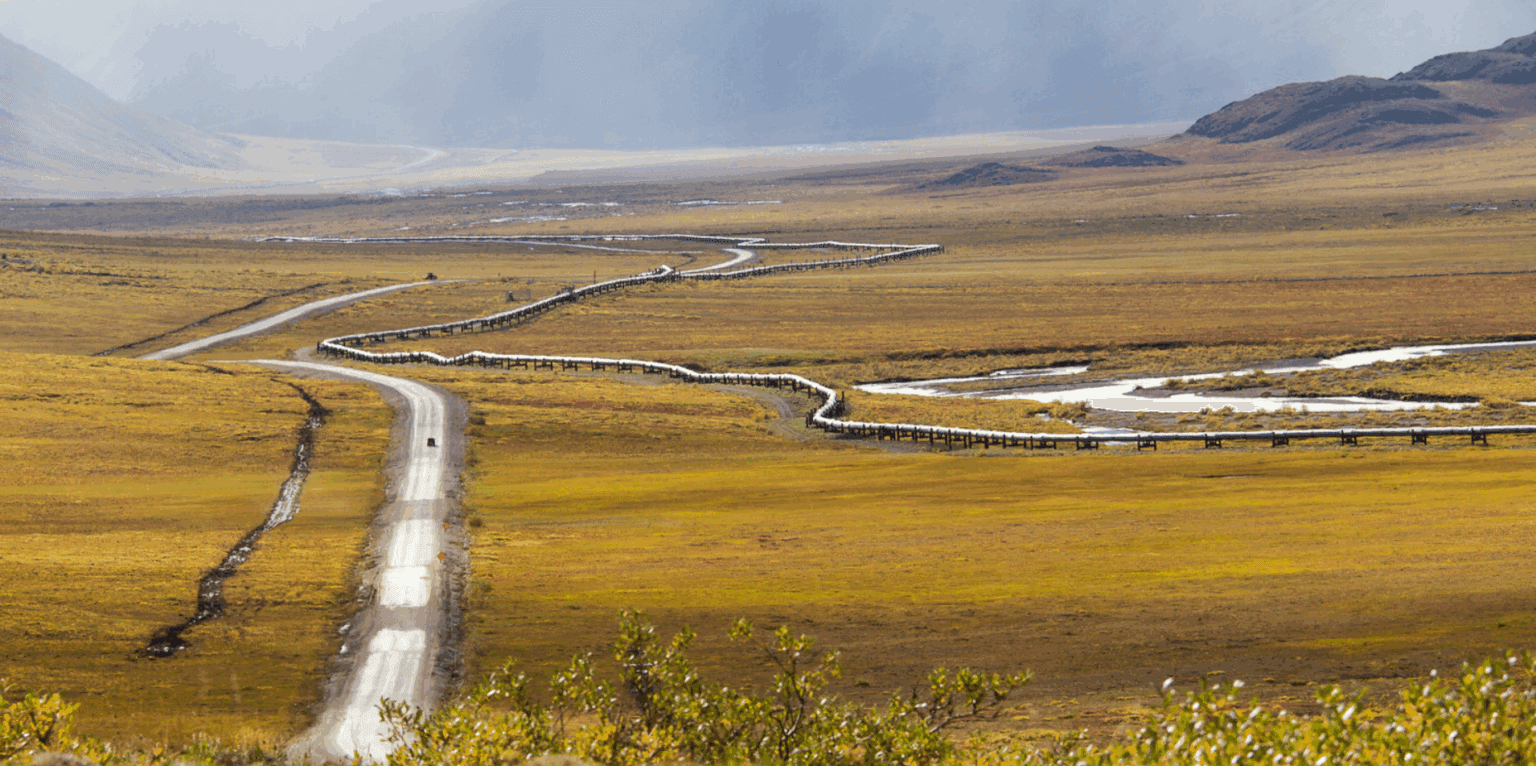
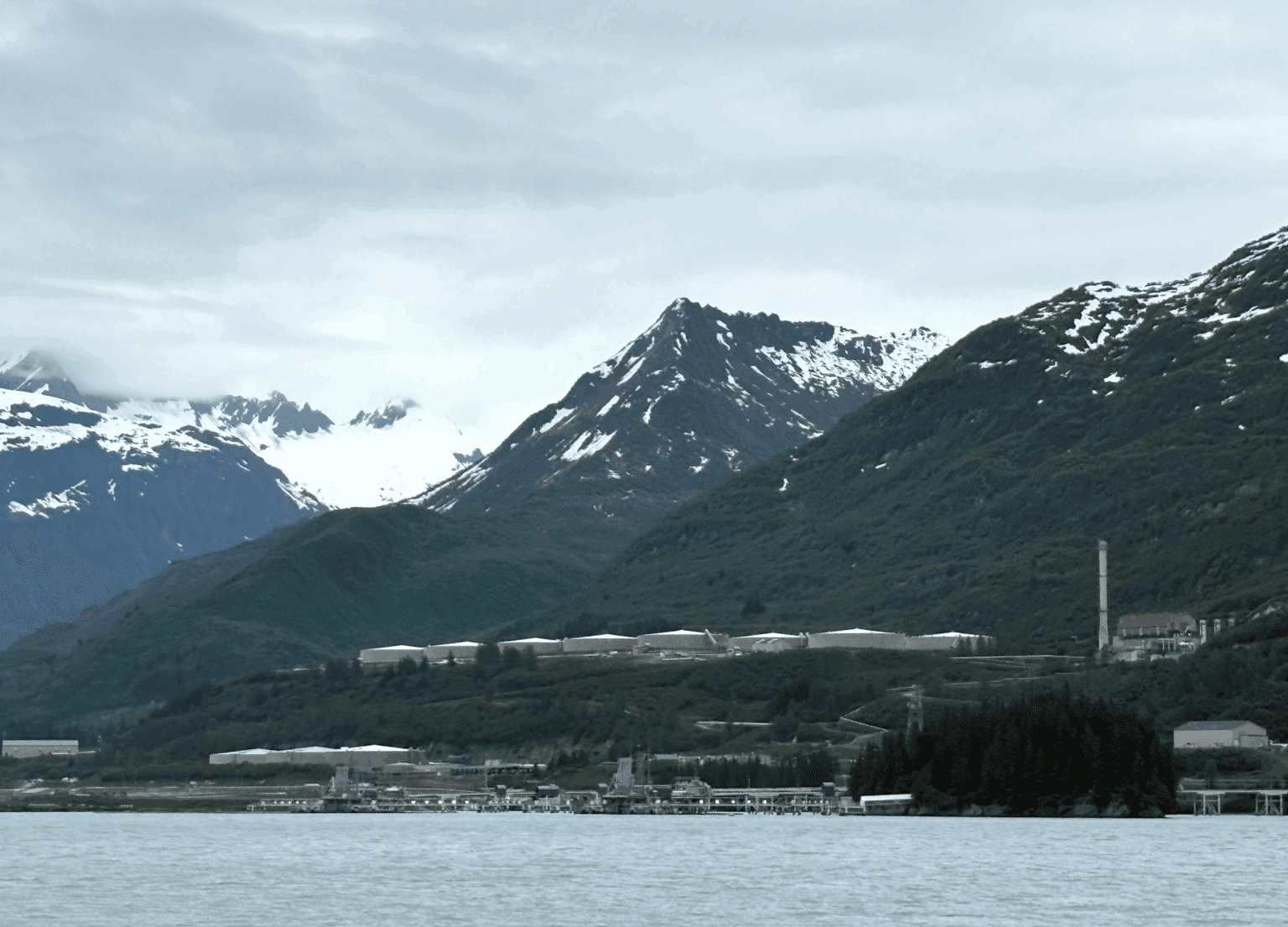
The infrastructure itself would run directly through the borough. Phase One consists of a 739-mile, 42-inch pipeline constructed in four simultaneous sections to deliver natural gas from Alaska's North Slope to meet Alaska's domestic energy needs, with mechanical completion of the pipeline targeted for 2028 and delivery of first gas in 2029. Phase Two will add the LNG liquefaction terminal and related infrastructure to export 20 million tonnes per annum of LNG.
Alaska LNG is being developed through the entity 8 Star Alaska LLC, which is 75% owned by Glenfarne and 25% owned by the State of Alaska through the Alaska Gasline Development Corporation. Glenfarne now looks to take the FID for the pipeline in 2026, later than a previous target in late 2025, Prestidge told Reuters. The developer also aims for an FID on the export terminal in early 2027. The company is working to finalize binding agreements and ensure financing, and all these steps "are all well underway," Prestidge said.
On February 20, the Department of the Interior announced the partial revocation of Public Land Orders 5150 and 5180, opening up 2.1 million acres of land within the Dalton Utility Corridor north of the Yukon River for future conveyance to the State of Alaska, an area that includes part of the proposed route for the Alaska LNG pipeline. That federal action cleared one of the last major land access hurdles for a pipeline route that originates in the same North Slope fields that have defined this borough's economy for half a century.
Countries heavily reliant on Qatari LNG, including Japan, South Korea, and China, face potential shortages that could last years. For Glenfarne and the North Slope, the question is whether the commercial window opened by the Qatar crisis stays open long enough to convert preliminary agreements into the binding contracts needed to pull the trigger on a final investment decision.
Know something we missed? Have a correction or additional information?
Submit a Tip