Alaska Senate Approves Corporate Tax on Oil Companies, Targeting $100 Million Annually
Hilcorp, Prudhoe Bay's operator, pays no Alaska corporate income tax; an 11-8 Senate vote could change that and raise $100M+ annually while rattling North Slope drilling budgets.

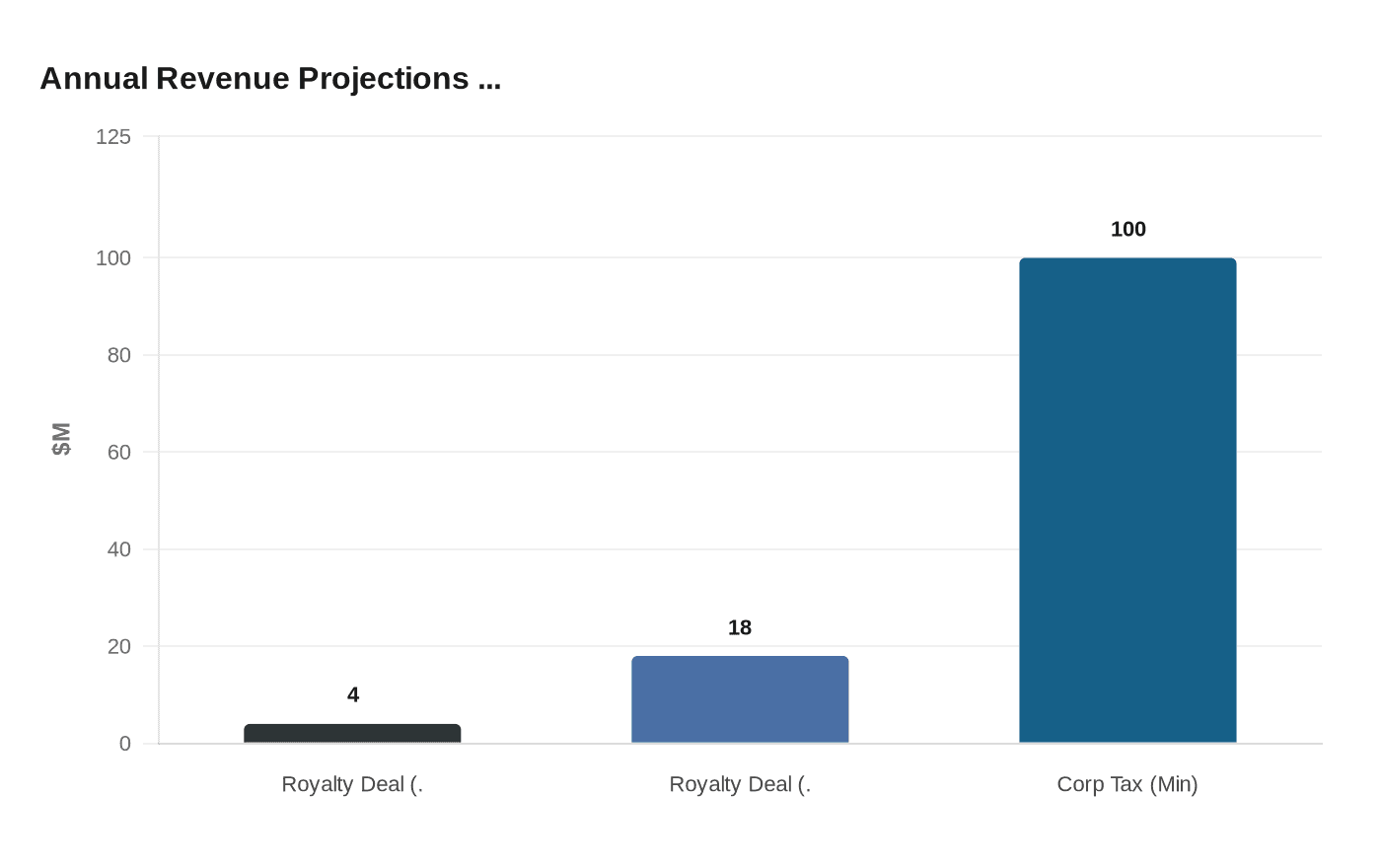
A corporate tax amendment that cleared the Alaska Senate on an 11-8 vote targets the very companies operating Prudhoe Bay, threatening to reshape drilling budgets across the North Slope while adding more than $100 million annually to a depleted state treasury.
Sen. Forrest Dunbar, D-Anchorage, attached the provision to House Bill 194, a bill originally requested by Gov. Mike Dunleavy to renew a three-year oil royalty agreement with Marathon Petroleum for processing state-owned crude at the Nikiski refinery. That original contract was projected to generate between $4 million and $18 million depending on production and price scenarios. Dunbar's amendment, approved March 25 and folded into the broader bill, which then cleared the chamber 12-7, would impose the state's corporate income tax at a top rate of 9.4% on oil and gas companies with net profits exceeding $5 million annually.
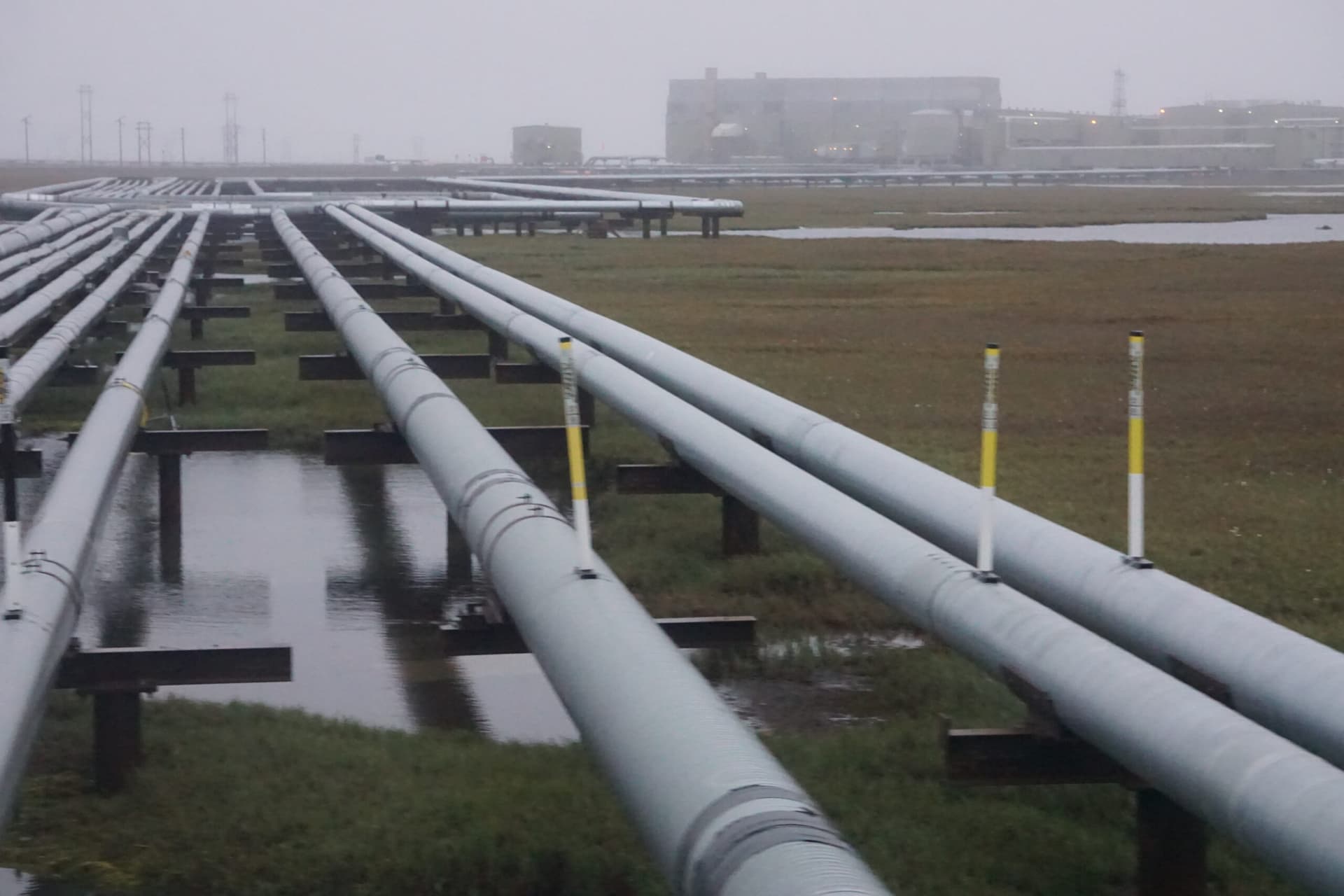
At the center of the debate is Hilcorp, the Texas-based S-corporation that has operated the Prudhoe Bay oil field since 2020 and is the state's largest oil producer, yet pays no Alaska corporate income tax because of its pass-through corporate structure. ConocoPhillips and ExxonMobil, its fellow North Slope producers, already pay the tax as C-corporations. Dunbar framed that structural gap as a subsidy the state can no longer sustain. "Can we afford this loophole while we close schools?" he said on the Senate floor. "Can we afford this tax subsidy while we slash the permanent fund dividend? Can we afford this tax subsidy while our infrastructure languishes, while we struggle to recruit and retain state troopers and firefighters and maintenance crews? The answer is no."
Hilcorp spokesperson Matt Shuckerow declined to comment directly and directed reporters to the Alaska Oil and Gas Association, which warned the amendment "targets a narrow group of producers with a discriminatory tax, reversing long-standing policy" and creates uncertainty for investment at a time when Alaska should be encouraging development.
On the North Slope, the immediate concern is what a new tax liability means for Hilcorp's Prudhoe Bay capital budget. Drilling programs, well maintenance, and infrastructure contracts flow directly to the service companies and oilfield employers that anchor North Slope Borough's private-sector workforce: drilling contractors, logistics operators, and equipment firms whose revenues track operator spending cycles closely. A company absorbing a nine-figure annual tax bill could narrow drilling commitments or defer facility upgrades, cutting the service contracts that move money from Prudhoe Bay into borough communities. The counterargument is that $100 million or more in new state revenue could stabilize the grants, capital project funding, and state-shared dollars that North Slope Borough depends on for schools, public safety, and infrastructure, all of which have come under pressure as state budgets have tightened.
Opponents argued the Senate moved too quickly. Sen. Jesse Bjorkman, R-Soldotna, warned the change could have unintended effects on investment and industry stability. An opposing senator, not identified in available reporting, was blunt: "I'm a no vote on this amendment, because we do need a legitimate plan. We don't rush things. We don't do things in a half-cocked manner, because that's how mistakes are made." He called on colleagues to model how revenue measures function within a broader state fiscal plan before acting.
The provision is far from law. The House passed HB 194 without the corporate tax language, setting up a conference committee negotiation over whether the amendment survives. Gov. Dunleavy, who originally requested the royalty renewal, has not indicated whether he would sign a bill carrying a corporate tax overhaul he never sought, and a veto would send the debate back to a Legislature that approved the underlying bill by three votes.
Know something we missed? Have a correction or additional information?
Submit a Tip