Alaska, Washington Tribes Fight British Columbia Plan to Reduce Indigenous Consultation Rights
BC told SEITC's 15 tribes their rights will be "distinct" and "differentiated" from Canadian First Nations, prompting nearly 30,000 letters to lawmakers.
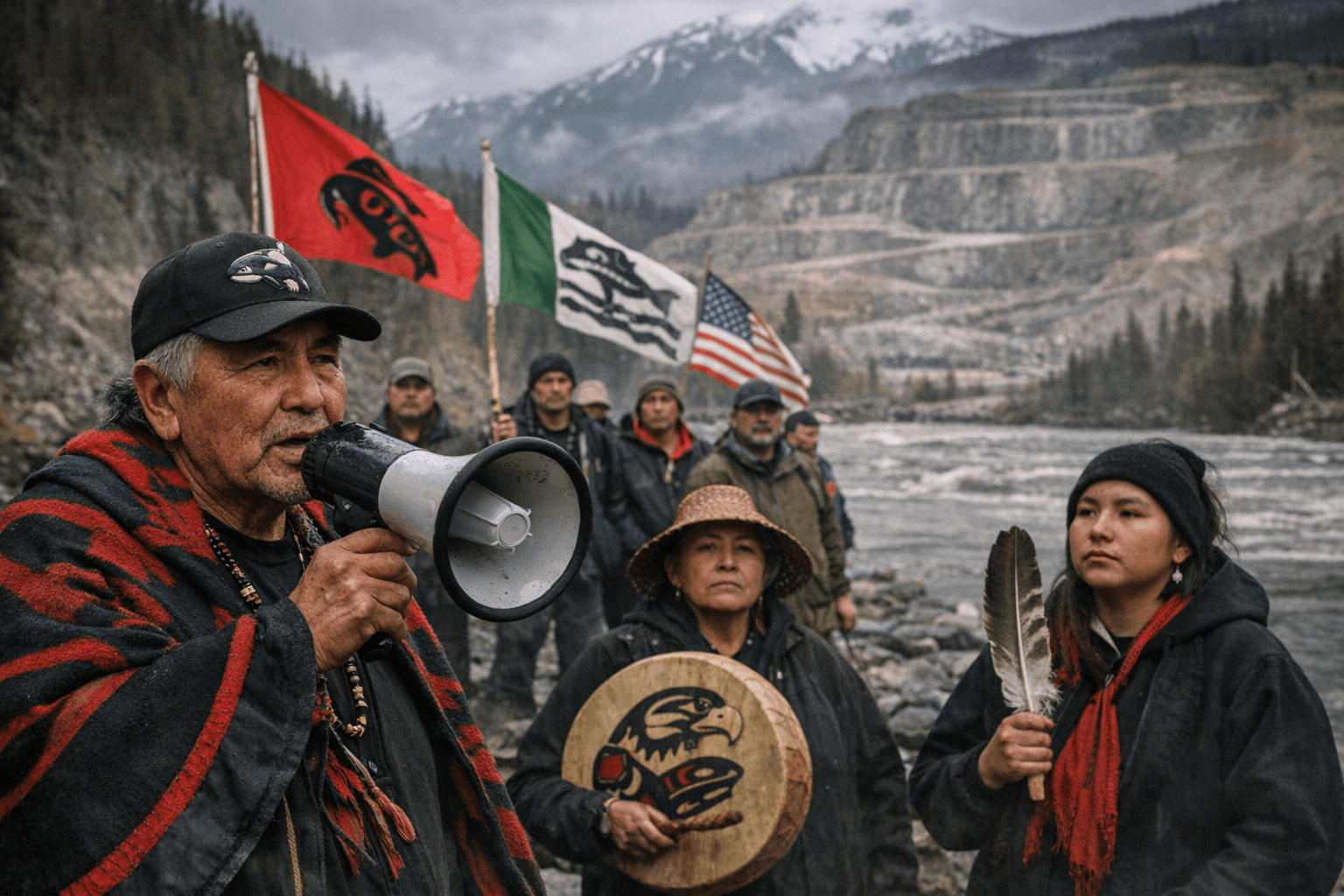
British Columbia's move to amend its Environmental Assessment Act drew sharp condemnation from tribal nations on both sides of the border, with the Southeast Alaska Indigenous Transboundary Commission and Washington's Lummi Nation denouncing a proposal they say would strip them of meaningful participation in decisions about mining projects upstream from their traditional homelands.
The conflict centers on the transboundary Taku, Stikine, and Unuk rivers, which drain gold-rich mining areas in British Columbia southward into Southeast Alaska. The Unuk, which flows into Burroughs Bay, exemplifies the stakes: proposed increases in mining activity near these waterways, tribal groups say, threaten the salmon populations that member communities depend on for cultural, spiritual, and subsistence practices.
The flashpoint came when BC's Environmental Assessment Office notified SEITC's 15 member tribes and the Lummi Nation that their rights would be treated as "distinct" and "differentiated" from those of First Nations within British Columbia. Both SEITC and the Lummi Nation have formally requested recognition as a Participating Indigenous Nation under Canadian law, seeking the same standing to protect aboriginal and treaty rights that domestic First Nations hold in BC's assessment process. That request has so far gone unmet.
"The provincial government is blatantly ignoring the rights of Indigenous peoples to protect their traditional territory from toxic mining pollution," said Ramin Pejan, Earthjustice's Supervising Senior Attorney. "Thousands of people have raised their voice in opposition, and the government should take notice."
That opposition has been substantial. Conservation groups delivered nearly 30,000 letters to Canadian lawmakers opposing the British Columbia mining developments, and SEITC has pursued the dispute through international legal channels, filing a complaint with the Inter-American Commission on Human Rights in 2020. That filing argued that increased heavy metals flowing downstream from mining activity could devastate the fish stocks that tribal communities have relied on for generations.
The British Columbia government has pushed back, maintaining that environmental assessments already completed for the relevant projects concluded mining activity was unlikely to cause significant adverse environmental effects. SEITC counters that those assessments were conducted without meaningful tribal input, making the province's reliance on them circular.
The Lummi Nation, a sovereign tribal government managing 13,000 acres of tidelands on its reservation in Washington state, has stood alongside SEITC throughout the dispute, underscoring that this is not solely a Southeast Alaska concern. The commission's June 2024 statement framed the provincial proposal bluntly: "New and diminished engagement with US Tribes violates Provincial law."
With court challenges already filed over BC's failure to consult on mining projects, and a formal request for Participating Indigenous Nation status still pending, the legal and diplomatic pressure on British Columbia is unlikely to ease as long as upstream development plans advance without the downstream voices of the people who would bear the consequences.
Know something we missed? Have a correction or additional information?
Submit a Tip