AOGCC Briefs Legislators on Oil Conservation, Orphan Wells, and Regulatory Mission
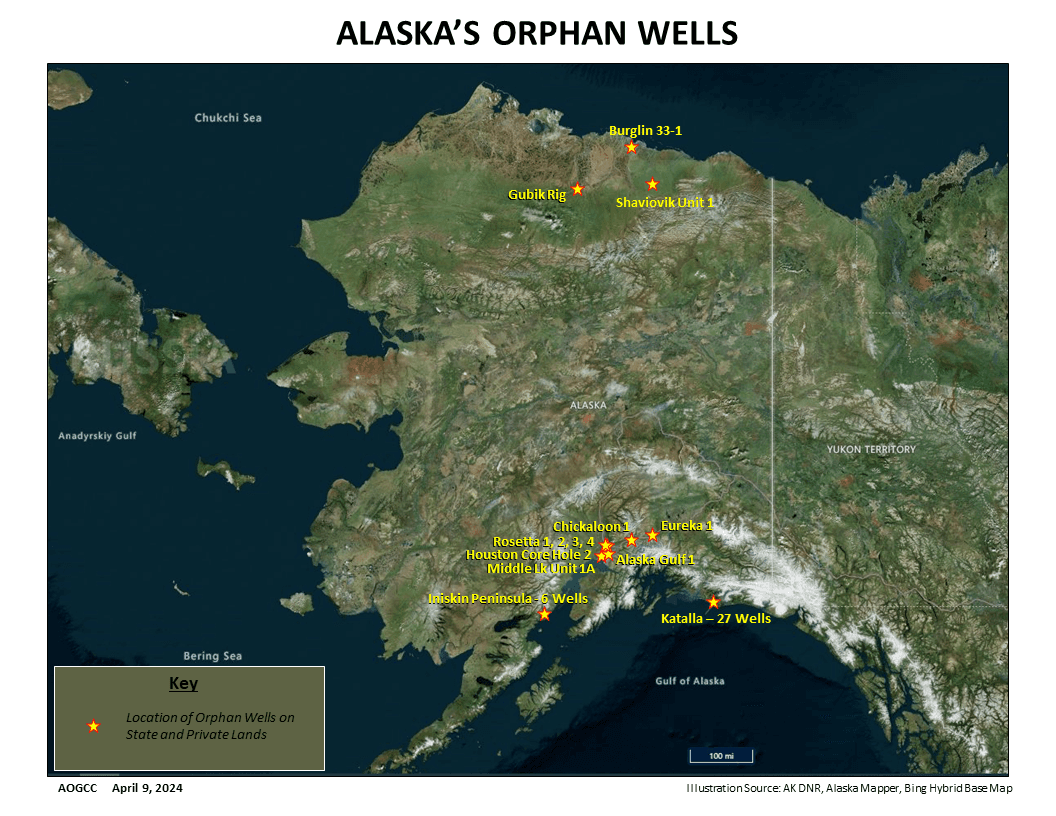
Alaska's oil regulator told legislators it has plugged 7 orphan wells using $53M in federal funds, with roughly 44 more on its list.
The Alaska Oil and Gas Conservation Commission used a March 17 legislative "Lunch-and-Learn" to walk lawmakers through a regulatory mission that stretches from royalty meters on the North Slope to potential geothermal oversight in the Aleutians, while fielding pointed questions about orphan wells, bonding shortfalls, and the agency's reach on federal land.
Commissioners framed the AOGCC as an independent, quasi-judicial body whose work in engineering, geology, and legal oversight operates free from policy or politics. The mission covers four core obligations: preventing waste, protecting groundwater, ensuring maximum long-term recovery of oil, gas, and geothermal resources, and upholding correlative rights of owners. The commission's operations are funded through industry fees rather than the state general fund, supplemented by a $160,000 annual federal grant tied to its primacy over EPA Class II injection wells.
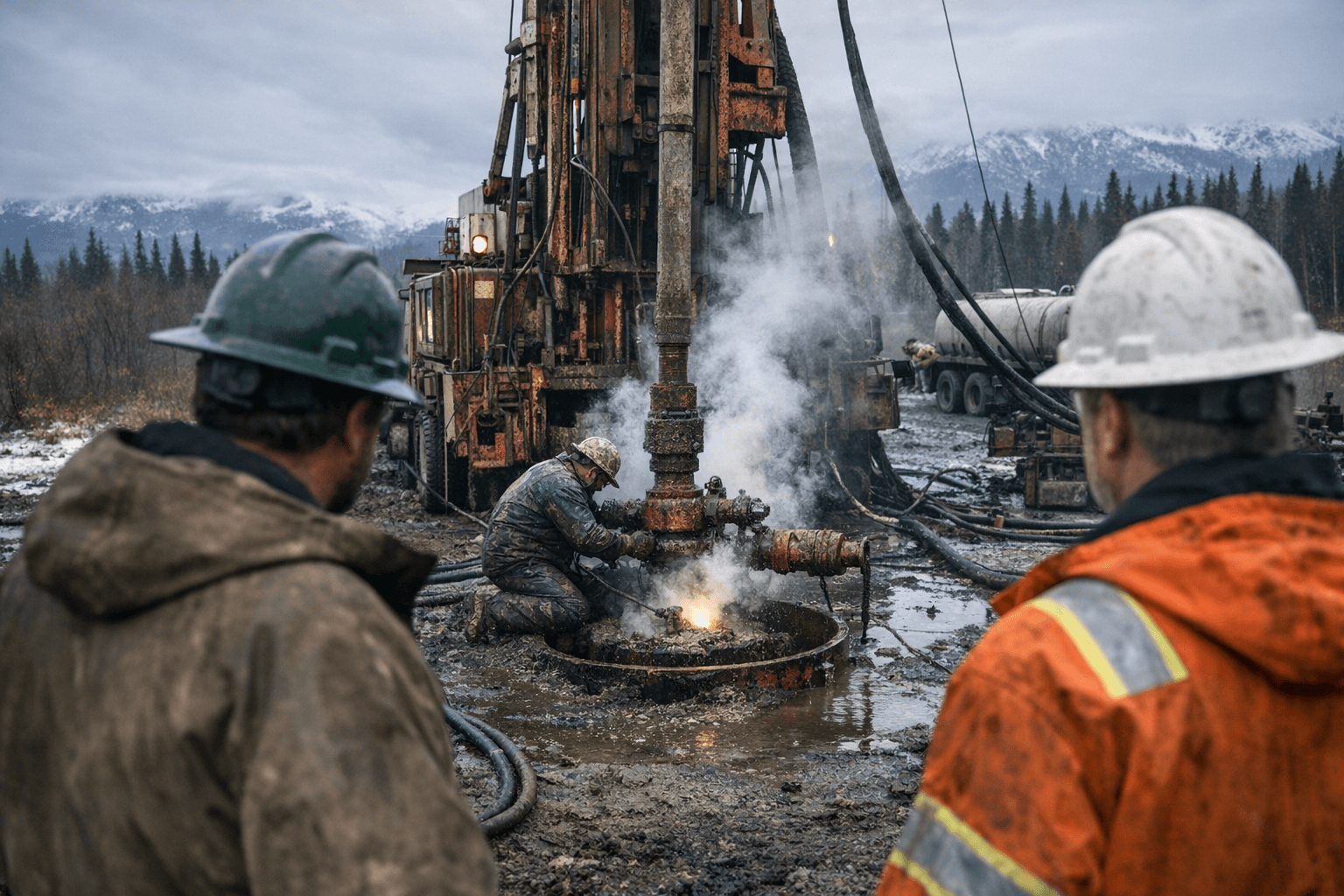
Legislators pressed hardest on orphan wells. Approximately 44 wells currently sit on the AOGCC's orphan-well list, and seven have been plugged in south-central Alaska. Since 2021, the commission has received more than $53 million in federal Infrastructure Investment and Jobs Act funds to address that backlog, with contracts running through ASRC. The orphan-well discussion also surfaced the history of inadequate bonding: the prior statewide bonding level stood at just $200,000, a figure the commission described as wholly insufficient. The updated framework uses a tiered system that tops out at more than $30 million for major operators.
Questions about jurisdictional reach drew a direct answer: AOGCC authority applies everywhere, including on federal lands. The commission also holds authority over correlative-rights hearings for boundary wells, a quasi-judicial function that legislators asked about specifically. Chmielowski walked the group through the collaborative, quorum-based decision process the commission uses to reach those determinations, along with the staff expertise in engineering, geology, and law that supports commissioners in that work.
Beyond its adjudicatory functions, the AOGCC oversees fiscal meters that determine royalty payments and maintains a public data repository through its website and a tool called "Data Miner," which houses scanned well files while keeping confidential records protected. Geothermal regulation also falls within the commission's mandate, with potential involvement flagged for Aleutian power projects as that region's energy development advances.
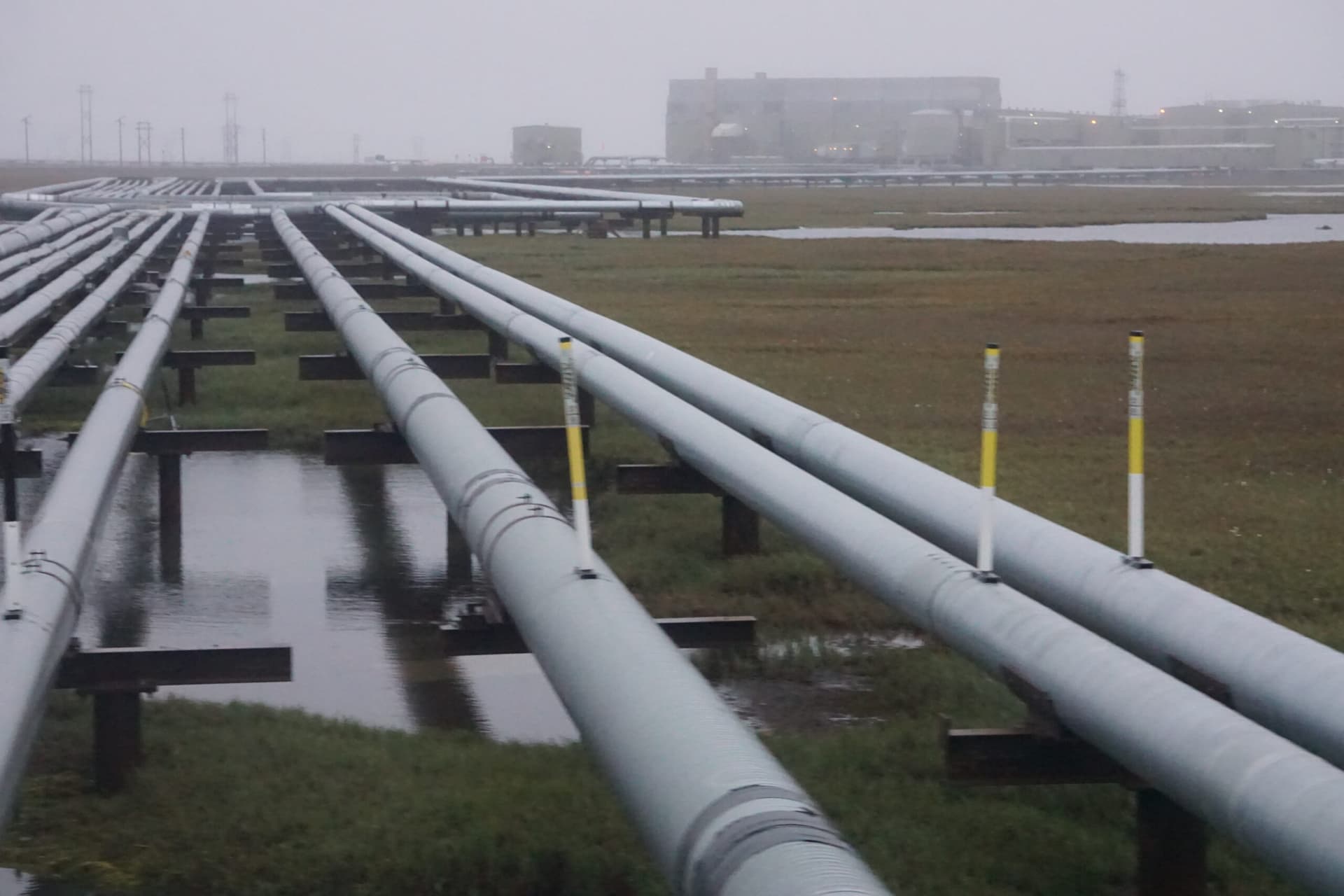
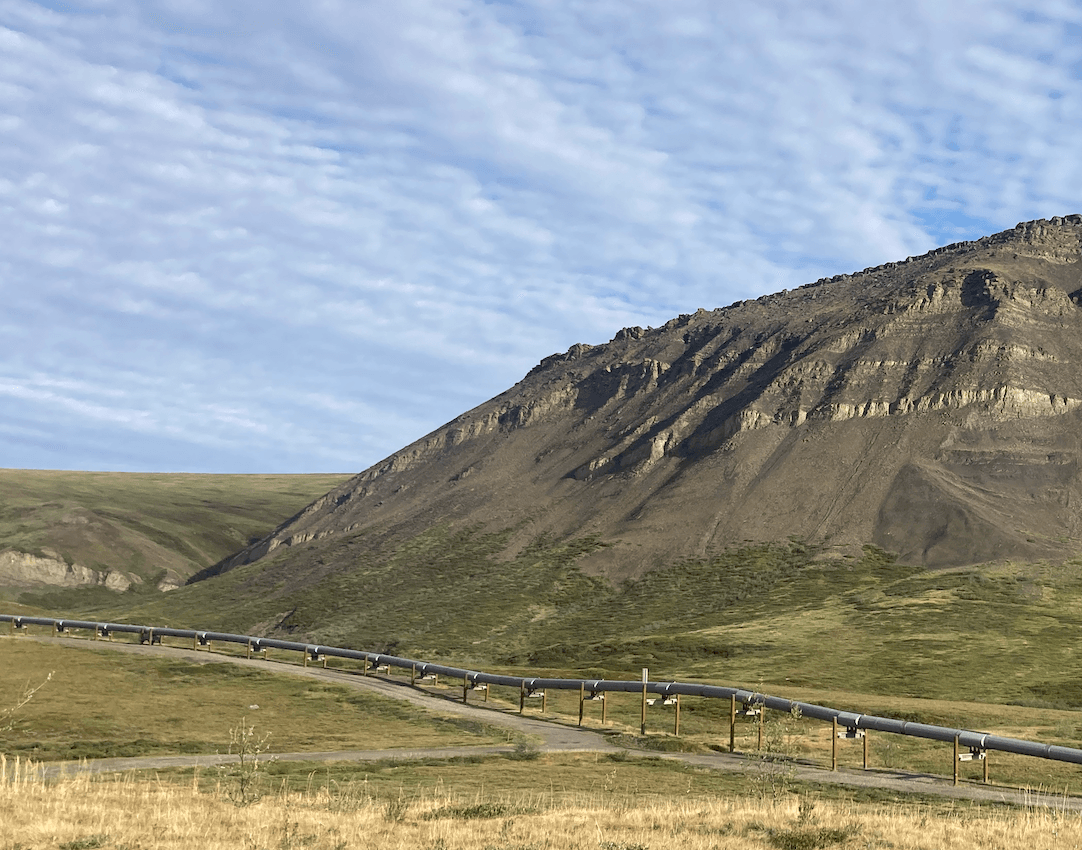
With new fields expected to bolster production and extend pipeline longevity, the commission positioned its transparent, data-driven approach as the foundation for sustaining Alaska's resource base responsibly over the decades ahead.
Know something we missed? Have a correction or additional information?
Submit a Tip