AOGCC Reduces Cook Inlet Fine After 51 Million Cubic Feet Badami Flaring
State regulators cut a fine after finding Cook Inlet flared about 51 million cubic feet at Badami; that gas could heat about 900 homes, raising local conservation concerns.
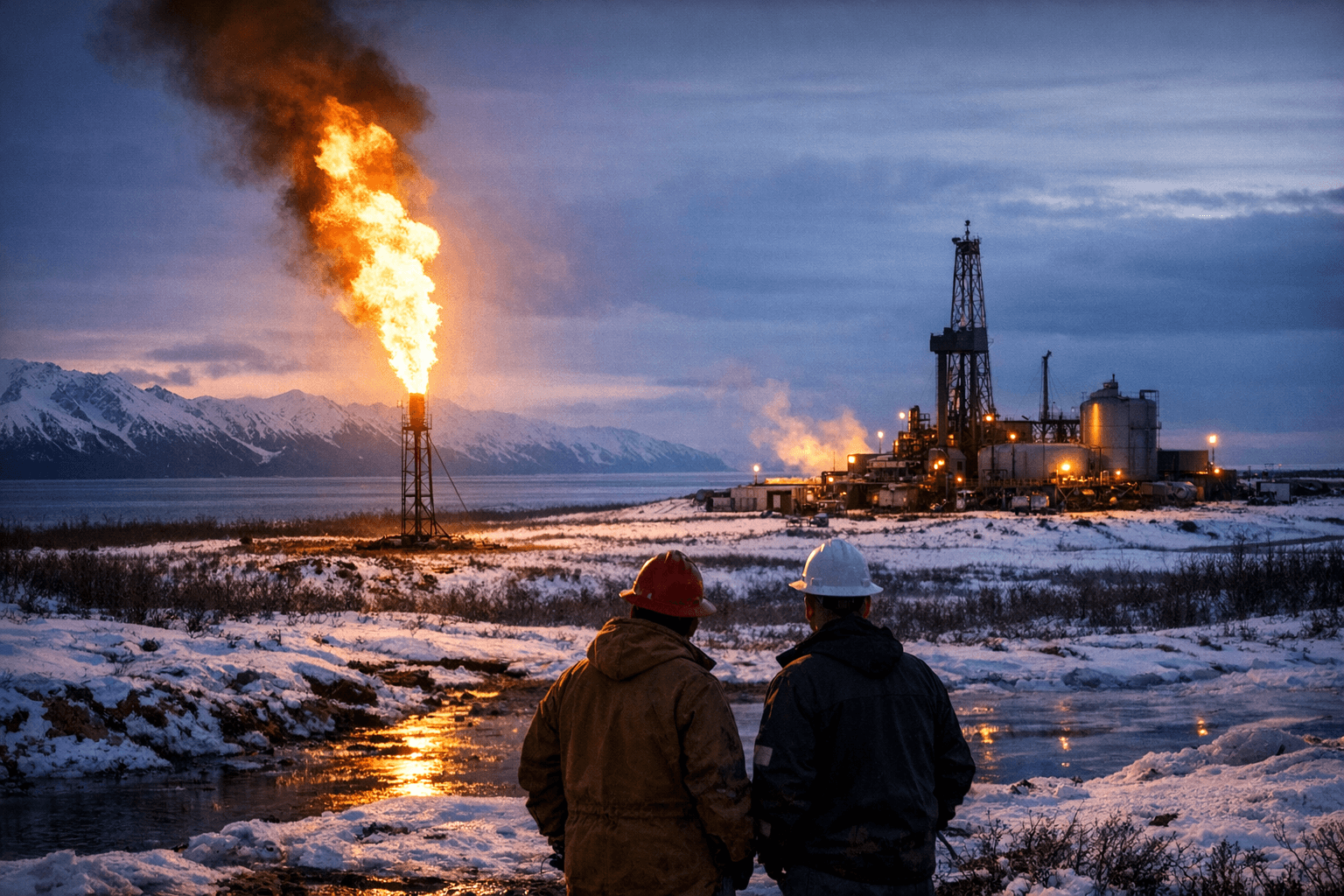
The Alaska Oil and Gas Conservation Commission reduced a penalty against Cook Inlet Energy to $313,616 after concluding the company flared roughly 51 million cubic feet of natural gas from the Badami field and did so to preserve oil production rather than for safety reasons, the commission found.
The volume burned is substantial for a small North Slope operation: the amount of gas flared is roughly equivalent to the annual heating needs of about 900 homes, by national annual use estimates from the Environmental Protection Agency. Regulators initially assessed a larger fine in an Aug. 14 order, $357,905, before Cook Inlet Energy challenged the ruling and the commission issued a final order last week reducing the penalty.
AOGCC’s final order lays out the commission’s findings about cause and motive. The order says, “Resource conservation, including that of reducing or eliminating gas flare volumes, is of utmost importance to the State of Alaska, with lack of a current export path or current unrealized royalties being immaterial.” The commission concluded a failed vapor recovery unit played a role in the events, but that the flaring was not driven by personnel-safety needs. “Flaring did not occur during the power turbine outage and therefore had no direct relation to personnel safety concerns or the prevention of life‑threatening conditions. Rather, the evidence demonstrates that preserving existing oil production was a primary driver for the flaring, as CIE elected to maintain full production throughout the flaring period,” the order states.
Reporting on the duration of the flaring varies across accounts. One report describes the flaring as occurring “between last October and March” and “over a six-month period,” while other coverage and the commission’s summary describe the company as having “deliberately burned off state-owned natural gas for almost four months.” The AOGCC’s order references flaring in 2024 and 2025; the precise calendar start and end dates cited by the commission are contained in its docket.
Cook Inlet Energy argued regulators should consider the lack of a market for North Slope natural gas and that a power turbine outage justified flaring, but the commission rejected those defenses. AOGCC contrasted the Badami case with a prior 2022 exemption for Great Bear Pantheon, writing, “In the case of Great Bear Pantheon … the flaring was needed to help determine project economics. In the case of CIE, the flaring was used to contribute to its bottom‑line economics.”
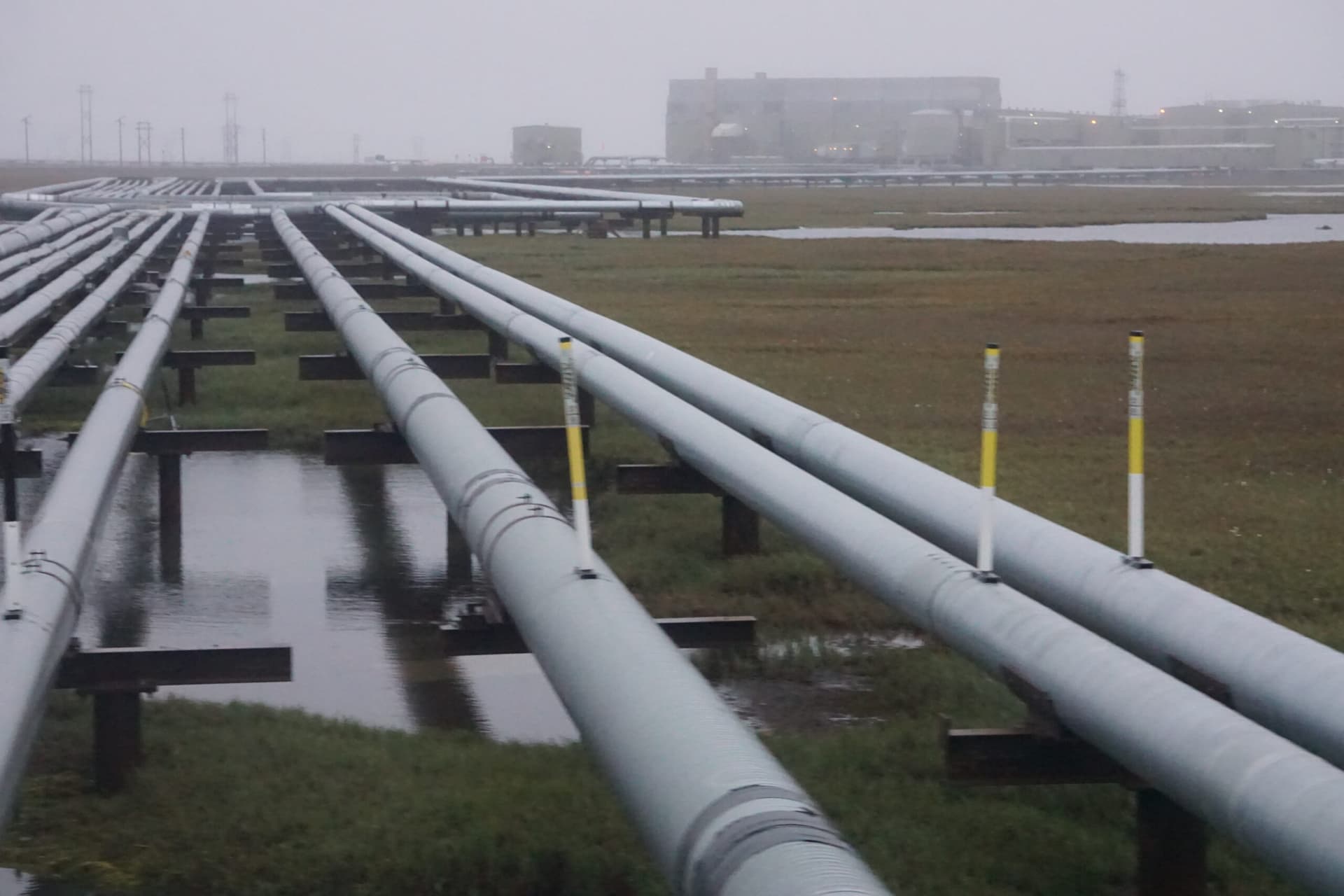
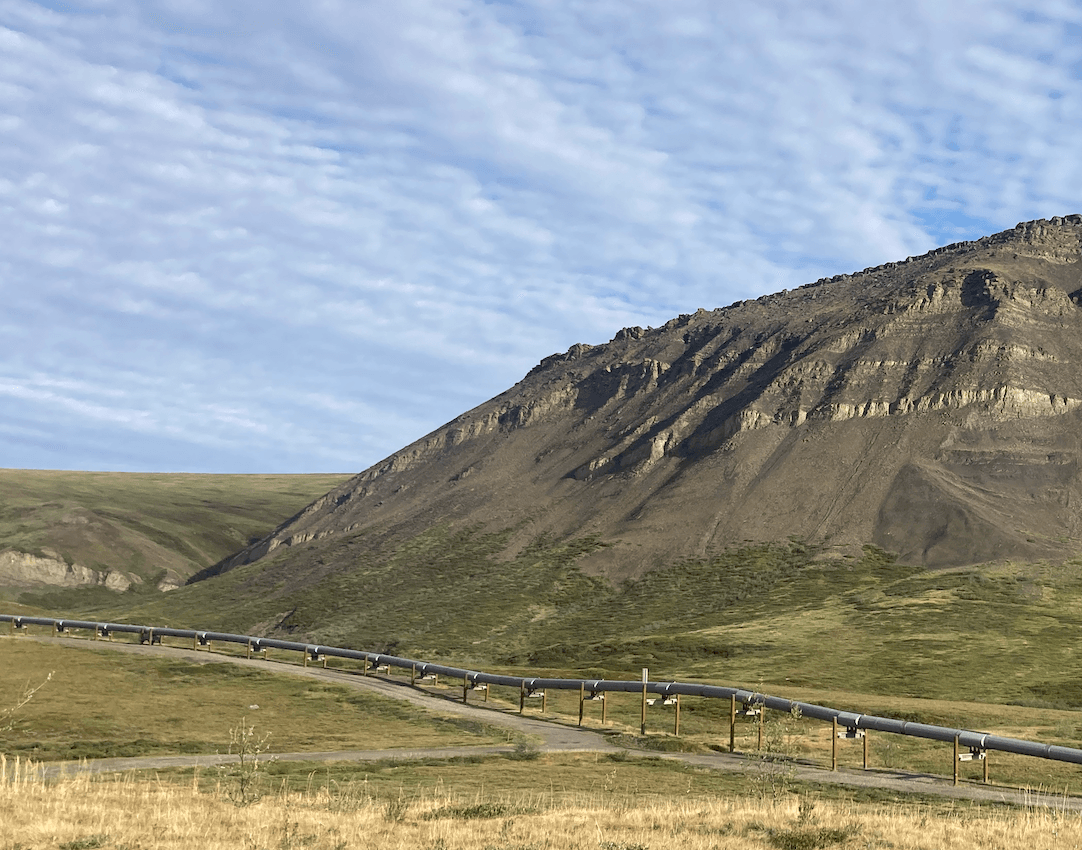
Badami sits on the eastern North Slope between Prudhoe Bay and Point Thomson. Production at Badami rose to about 2,000 barrels per day from April 2024 to March 2025, up from less than 900 barrels per day the prior year, an increase attributed in state division data to a new well. For North Slope residents and local stakeholders, the AOGCC decision highlights the commission’s emphasis on conserving a state-owned resource even where an export path for gas is not presently in place.
What comes next for the community and operators is heightened regulatory scrutiny. The final order affirms that AOGCC views unnecessary flaring as waste and sets a tone for how similar incidents at Badami and other fields will be judged going forward.
Know something we missed? Have a correction or additional information?
Submit a Tip