Cold snap grips North Slope Borough, Utqiaġvik lows hit minus 15
Utqiaġvik fell to minus 15 on two April days as northerly winds pushed Arctic air across the North Slope, threatening travel, flights and daily services.
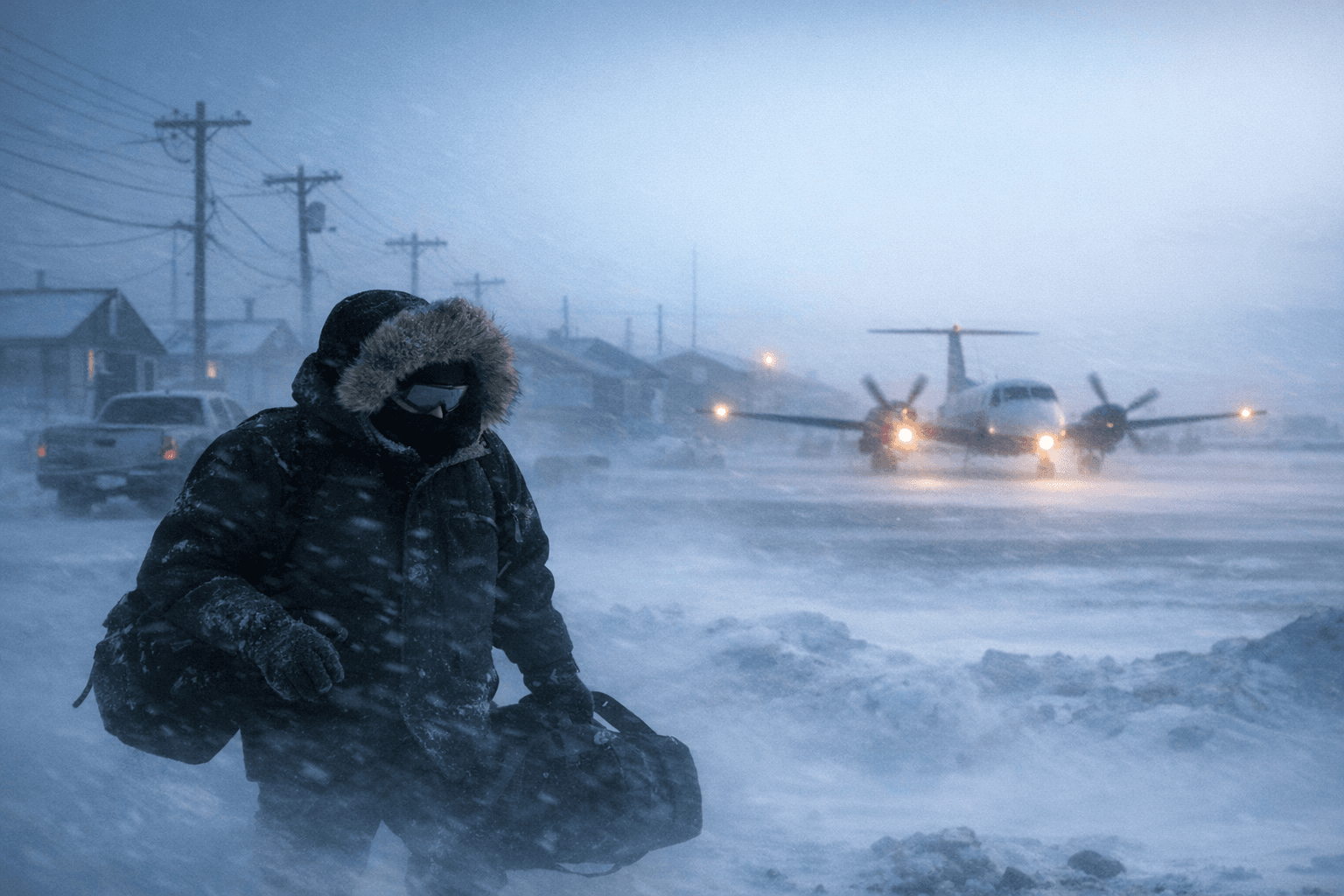
A blast of Arctic air drove Utqiaġvik to minus 15 degrees on April 7 and again on April 8, a sharp reminder of how quickly spring travel and daily routines can turn hazardous in the North Slope Borough. The National Weather Service in Fairbanks said a colder airmass was building over the North Slope as an upper-level low moved south from the Arctic, with gusty northeasterly winds expected to continue through the end of the week across the Bering Strait and the NW Arctic Coast.
The cold mattered well beyond the thermometer. Utqiaġvik is the northernmost community in the United States and the economic, transportation and administrative center for the North Slope Borough, so a plunge like this can ripple through flights, travel between remote villages and everyday services in a place that depends heavily on air travel and local support systems. For residents and workers moving goods, reaching appointments or keeping schedules on track, the combination of low temperatures and gusty wind increased the risk of delays and difficult travel conditions.
Preliminary climate data for April 2026 showed the station’s monthly low had already reached minus 15 by April 13, with daily highs remaining below freezing for much of the period. Average wind speeds during the cold spell ran in the low- to mid-teens mph, and no precipitation had been recorded in the early part of the month. The Utqiaġvik station record extends back to 1920, underscoring how notable mid-April readings this cold are even in an Arctic community accustomed to severe weather.
North Slope Borough health materials say climate-related shifts can contribute to injury from unusual travel conditions, damage to health infrastructure and food insecurity. The borough’s climate impact reports rely on local observations, data and traditional ecological knowledge, a sign of how weather extremes are treated not just as forecasts, but as public-safety and resilience issues for families, schools, health systems and communities across the North Slope.
Know something we missed? Have a correction or additional information?
Submit a Tip