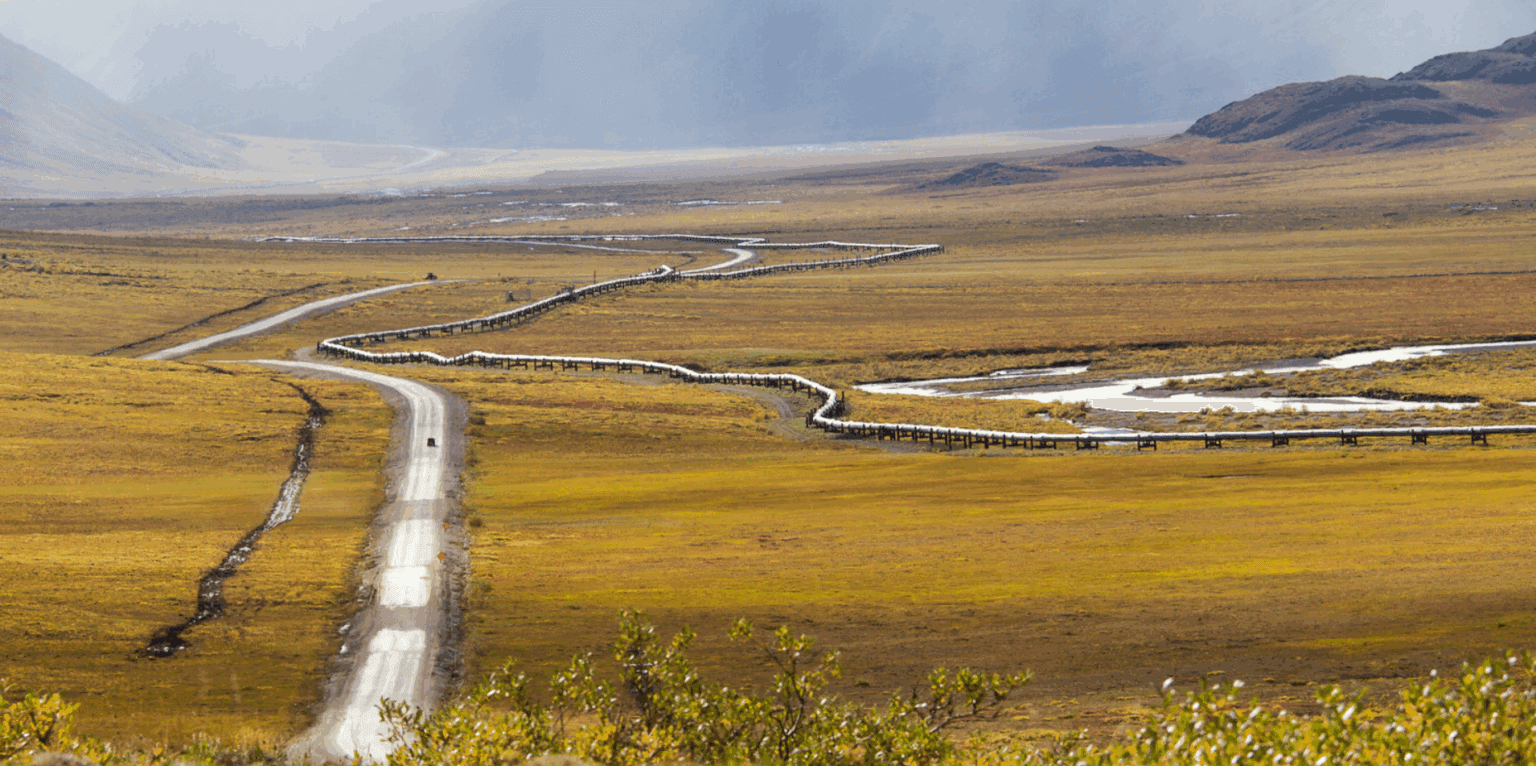
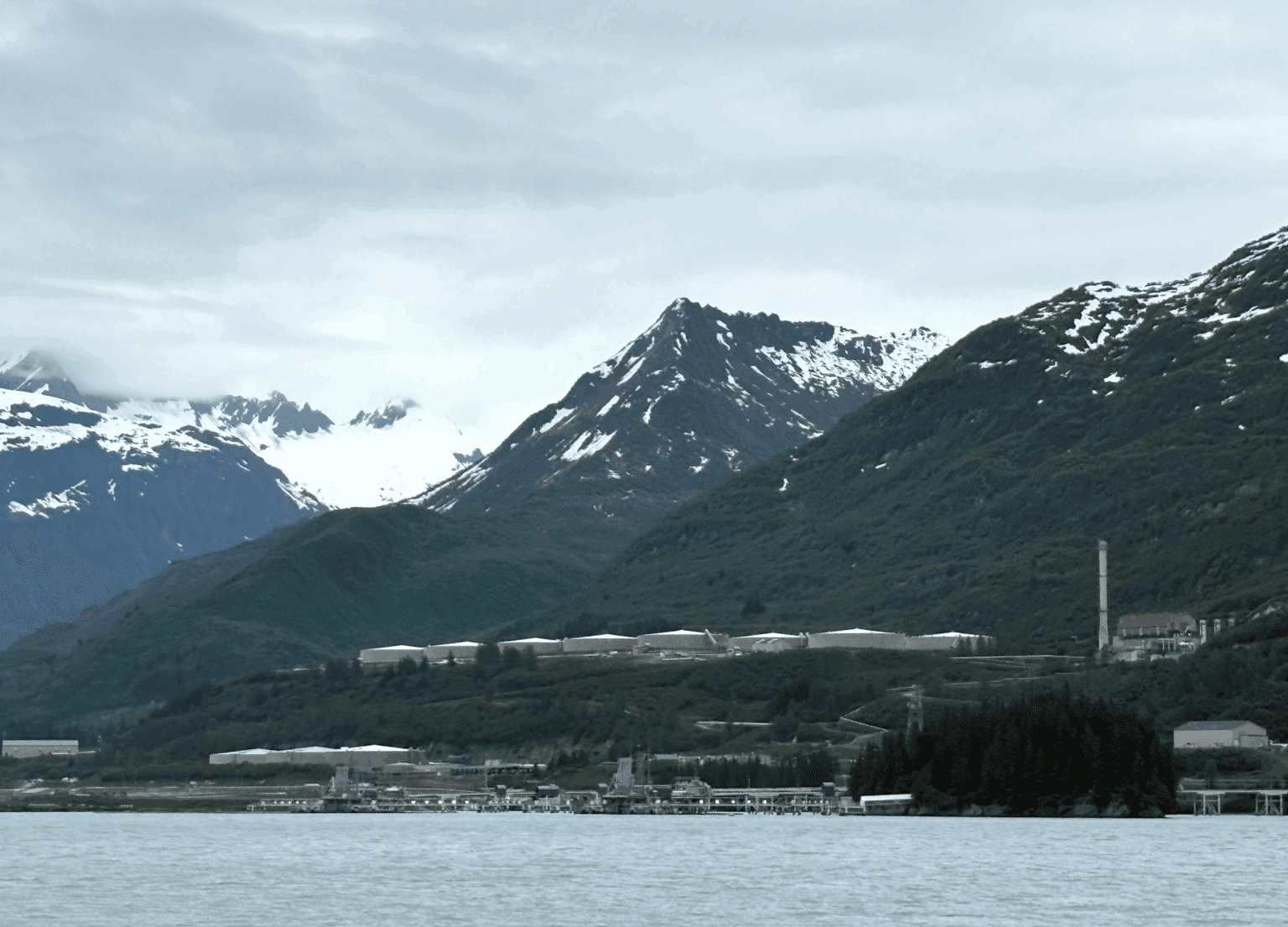
ConocoPhillips Calls Willow a Generational Project as NPR-A Lease Sale Sets Records
ConocoPhillips is pouring up to $9 billion into Willow as an NPR-A lease sale shattered the 1999 record with $163 million in bids from 11 companies.
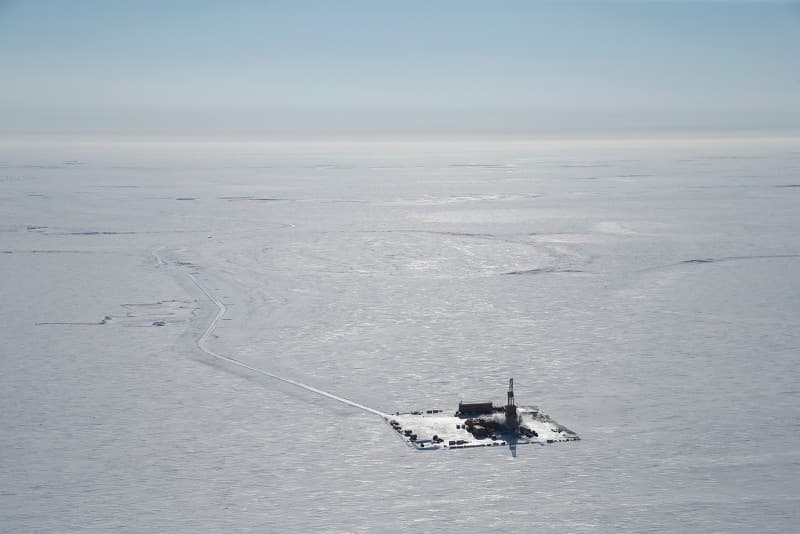
Eleven oil companies placed 430 bids totaling $163 million on federal leases in the National Petroleum Reserve-Alaska on March 18, shattering a record that had stood since 1999 and signaling a major surge in North Slope investment anchored by ConocoPhillips' Willow project.
ConocoPhillips is devoting $8.5 billion to $9 billion to Willow, a company official said Thursday at Meet Alaska, the Alaska Support Industry Alliance's annual conference in Anchorage. The project, authorized by the Biden administration in 2023 and currently under development by ConocoPhillips Alaska inside the 23-million-acre NPR-A, is expected to begin production in 2029 and peak at 180,000 barrels per day. A busy exploration season is also underway to find the next project of similar scale, the official said.
"We have one of the largest exploration seasons planned in many years," the official told conference attendees, describing seismic surveys and drilling within the reserve. "Exploration is a 10- to 20-year play, and it is high risk. But it's necessary for the long-term stability of the North Slope."
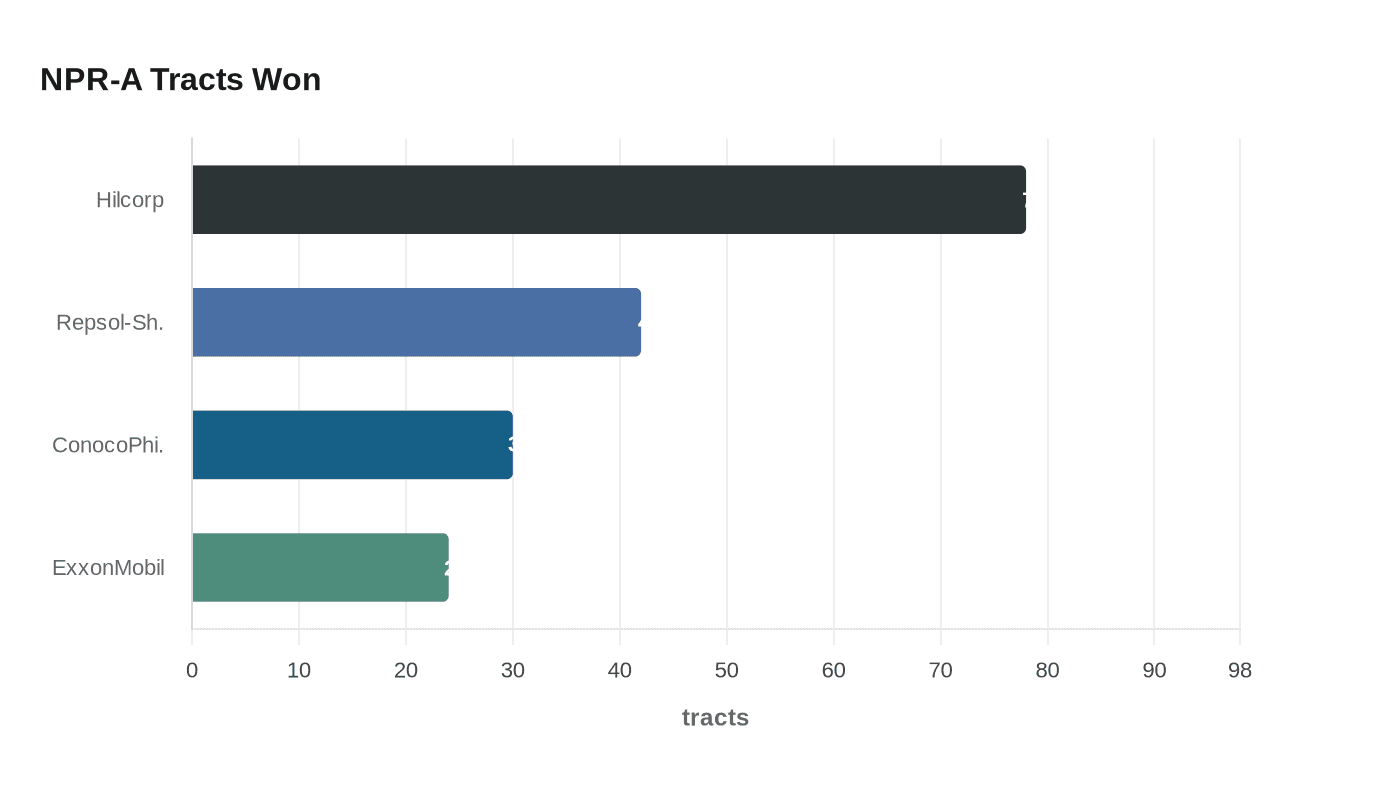
The lease sale, the first in the NPR-A since 2019, drew bids from companies including ExxonMobil, ConocoPhillips, Oil Search Alaska, Repsol, and Shell Frontier Oil & Gas. The Bureau of Land Management offered 625 tracts across roughly 5.5 million acres; 11 companies submitted bids on 187 of those tracts covering about 1.33 million acres, with some tracts drawing as many as six competing offers. Hilcorp led all companies with 78 tracts won, followed by a Repsol-Shell partnership with 42, ConocoPhillips with 30, and ExxonMobil with 24, according to Alaska News Source. The $163 million in high bids surpassed the previous NPR-A record of $104 million set in 1999.
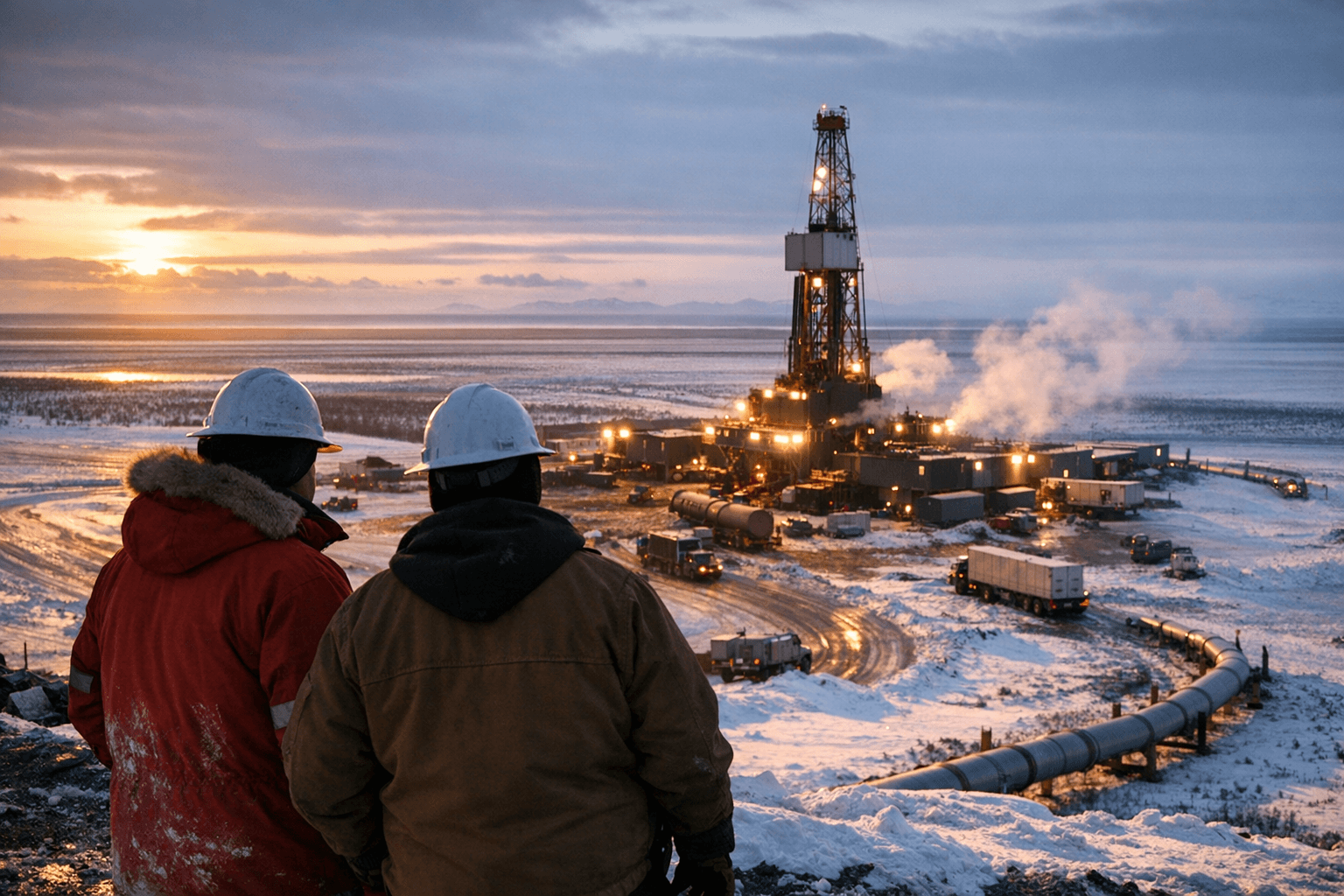
ConocoPhillips focused its bidding near the eastern border of the sale area, closest to the Willow project site, and did not bid on any tracts within the Nuiqsut Trilateral right-of-way. ExxonMobil bid within that right-of-way and emerged as the apparent winner of tracts along the southern shore of Teshekpuk Lake, the largest lake in Alaska's arctic region.
Kevin Pendergast, Alaska state director for the Bureau of Land Management, called the results "historic" at the close of the two-hour bid opening. "This is the strongest sale we have ever had in the National Petroleum Reserve-Alaska by nearly every measure," Pendergast said. "It makes clear that for the NPR-A, despite all the successes to date, the best days are still ahead."
Steve Wackowski, president of the Alaska Oil and Gas Association, said the Trump administration "deserves credit for helping restore access and certainty in the petroleum reserve, allowing industry to step forward with meaningful commitments," adding that "investor confidence in Alaska's energy future is not only strong — it's growing." Rebecca Logan, CEO of the Alaska Support Industry Alliance, called the results "exactly the kind of momentum we need" and said oilfield service and support companies are ready to partner with operators "safely, efficiently, and with the highest environmental standards."
For North Slope communities, the sale carries direct financial stakes. Under federal law, half of the royalties derived from NPR-A oil production are designated for North Slope communities through a grant program. Nagruk Harcharek, president and CEO of Voice of the Arctic Iñupiat, praised the outcome: "Today's lease sale proves what we have been saying for years: when there is meaningful policy in place supporting responsible onshore development, industry interest will follow. This successful NPR-A lease sale is a gratifying reminder of our work that will strengthen our self-determination for generations to come."
Conservation organizations and some Alaska Native groups have filed multiple lawsuits challenging the lease sale and BLM's management of the reserve, with particular focus on the Teshekpuk Lake area and lands previously designated for their wildlife, subsistence, or other values. The reserve provides habitat for caribou, bears, wolves, and millions of migratory birds. Critics have stressed that winning a lease does not constitute approval to drill, and that legal challenges remain active.
Governor Mike Dunleavy called the sale a "major win for our state and our country." With Willow targeting a 2029 production start and ConocoPhillips planning one of its largest exploration seasons in years, the NPR-A is positioned as the center of Alaska's next chapter of oil development — if the courts allow it to proceed.
Know something we missed? Have a correction or additional information?
Submit a Tip