ConocoPhillips Reports Alpine Gas Release, Nuiqsut Air Monitors Installed
ConocoPhillips reported a natural gas release at the CD1 pad at its Alpine Central facility on December 20, 2025, and said the situation was being actively monitored. The company said there was no detected migration of gas outside the CD1 area, natural gas service to Nuiqsut was uninterrupted, and additional continuous air monitors were placed in the village as a precaution.
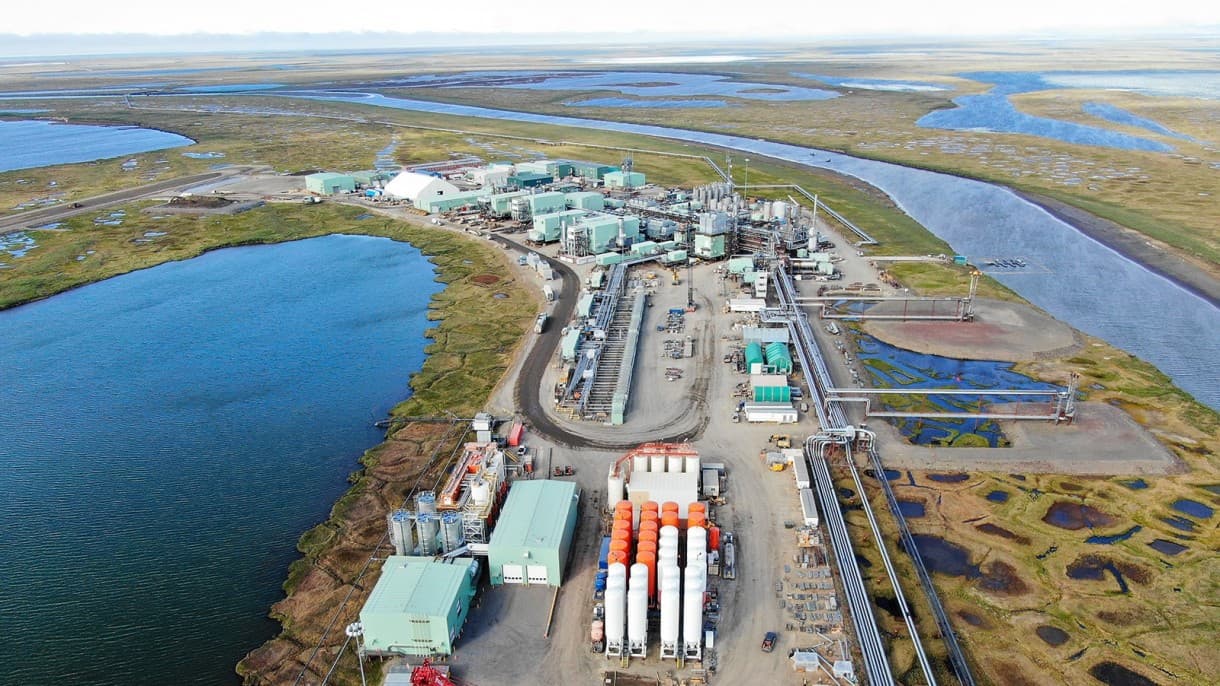
On December 20, 2025 ConocoPhillips reported a natural gas release at the CD1 pad at its Alpine Central facility and initiated a response that included expanded air monitoring. Company statements said sampling to date had not shown anomalous readings and no migration of gas was detected outside the CD1 area. ConocoPhillips also stated there was no interruption in natural gas supplies to the nearby Native village of Nuiqsut and that it did not anticipate the need to relocate residents based on current data.
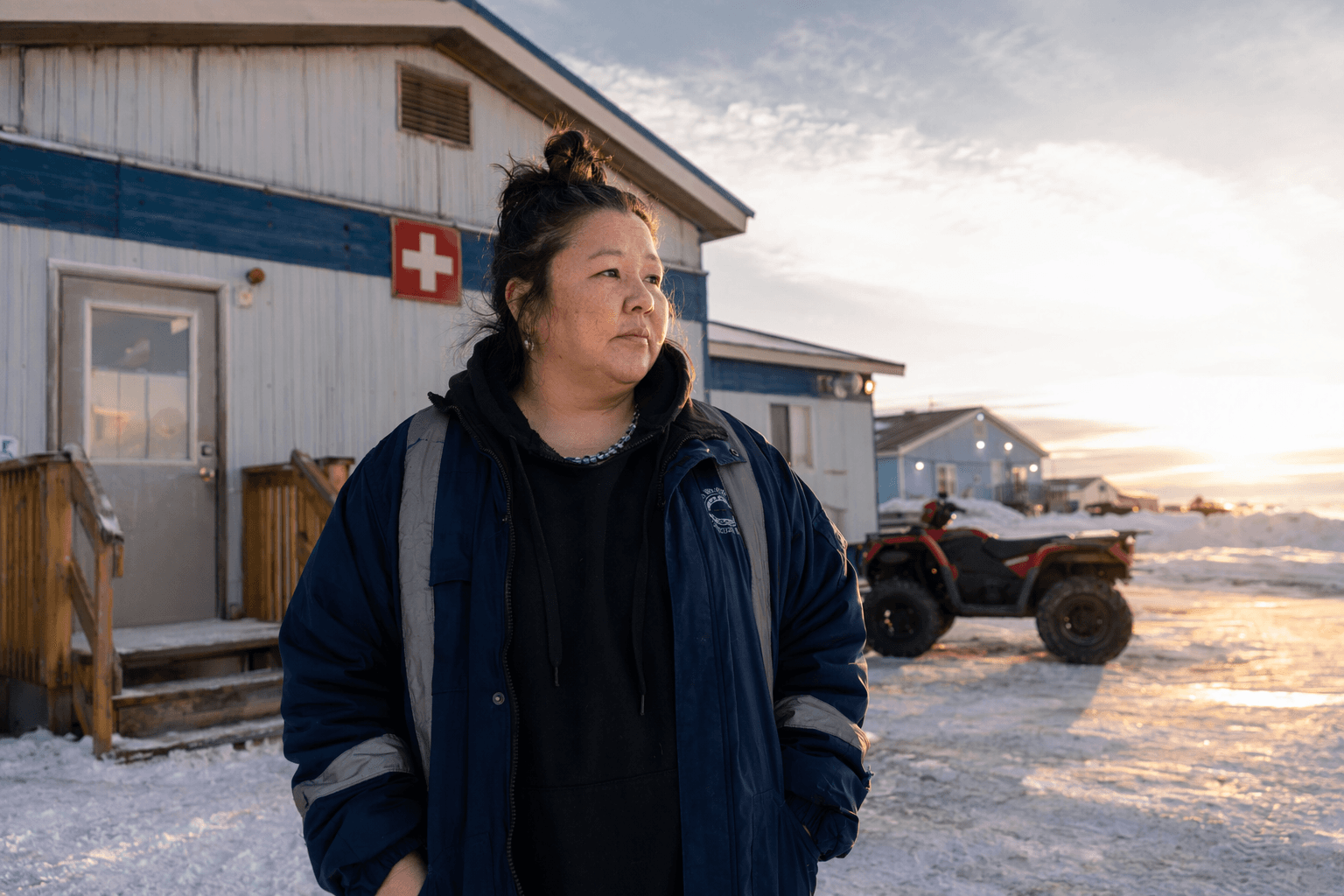
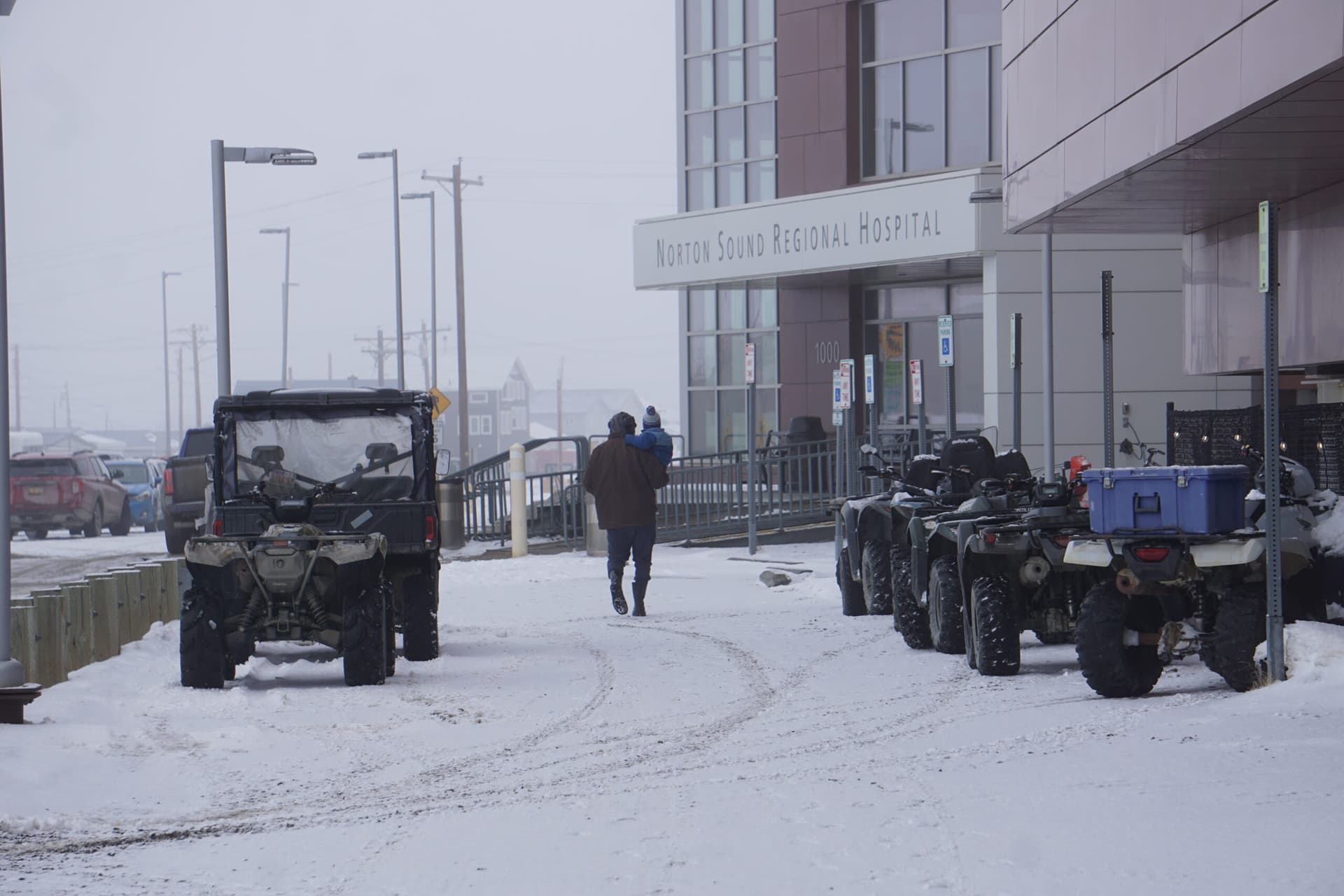
Public health authorities and community leaders in the North Slope Borough face immediate questions about exposure risk, transparent information sharing, and long term health monitoring. In remote communities such as Nuiqsut, even short lived industrial incidents can cause anxiety because of limited local medical resources and the importance of subsistence activities that bring people outdoors and closer to potential exposures. The decision to install additional continuous air monitors in Nuiqsut was aimed at providing more frequent data in the village environment, and ongoing air monitoring remains in place to detect any changes.
Technically, the company reported containment to the CD1 pad, which reduces the likelihood of wider environmental contamination. For residents, however, the incident highlights structural vulnerabilities in emergency response capacity on the North Slope. Timely, clear communication between the operator, tribal governments, local health providers, and the North Slope Borough is essential to maintain public trust and ensure that any emerging health concerns are addressed quickly. Local clinics and public health partners may need support to track symptoms and to provide guidance on when to seek care.
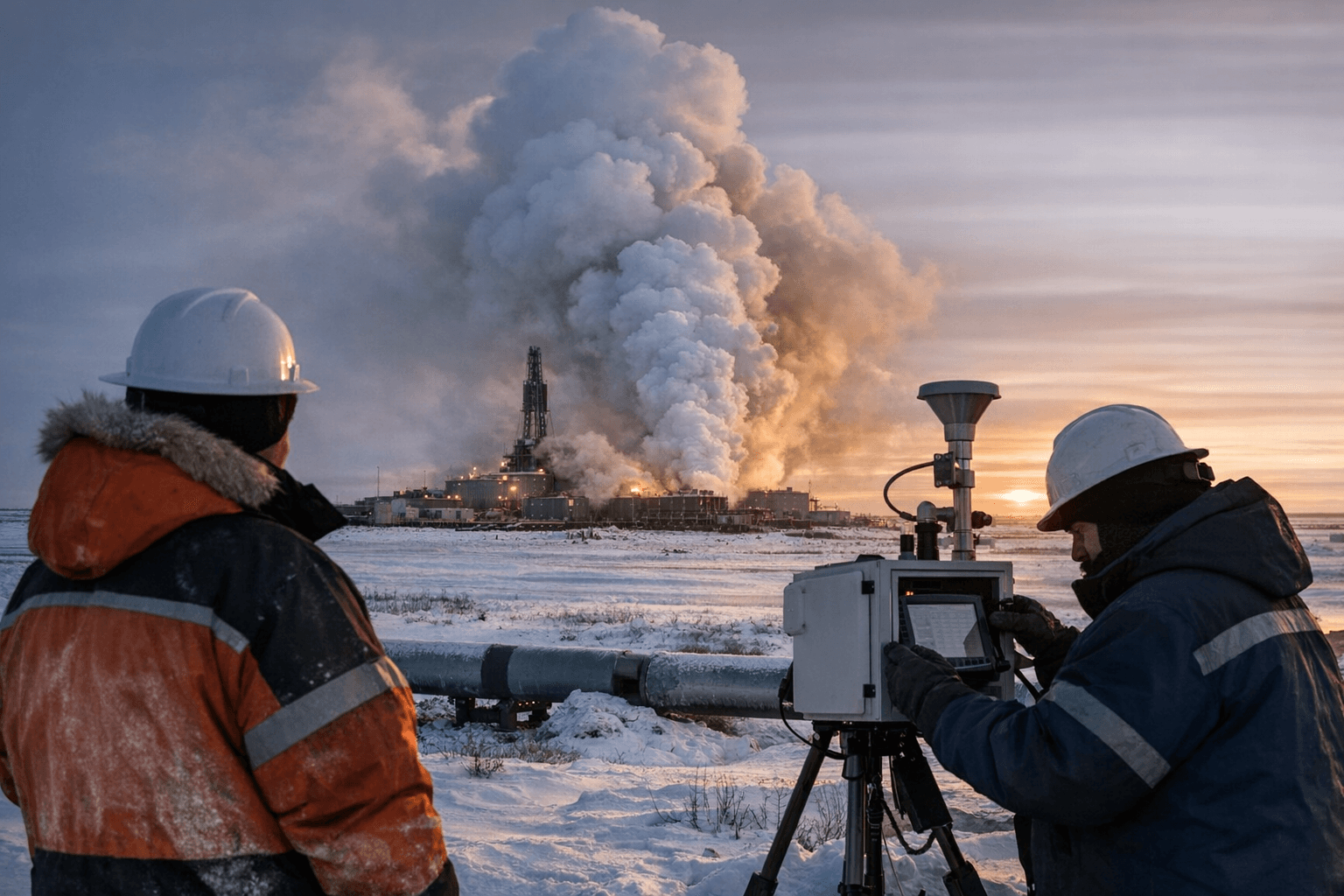
Policy implications include the need for regular independent monitoring, transparent public reporting of sampling results, and clear evacuation and sheltering protocols tailored to Arctic conditions and to community needs. Long term environmental and health surveillance can help assess any chronic impacts and ensure equity in access to care and information. As of December 24, 2025 monitoring continues and authorities and the company say they will update residents if sampling shows any change.
Know something we missed? Have a correction or additional information?
Submit a Tip