Dunleavy Proposes Volumetric Tax to Replace Pipeline Property Taxes, Advance Alaska LNG
Dunleavy's SB 280 would swap the 2% pipeline property tax for a 6-cent-per-thousand-cubic-feet volumetric levy, but North Slope Borough stands to lose the most of any municipality under the swap.
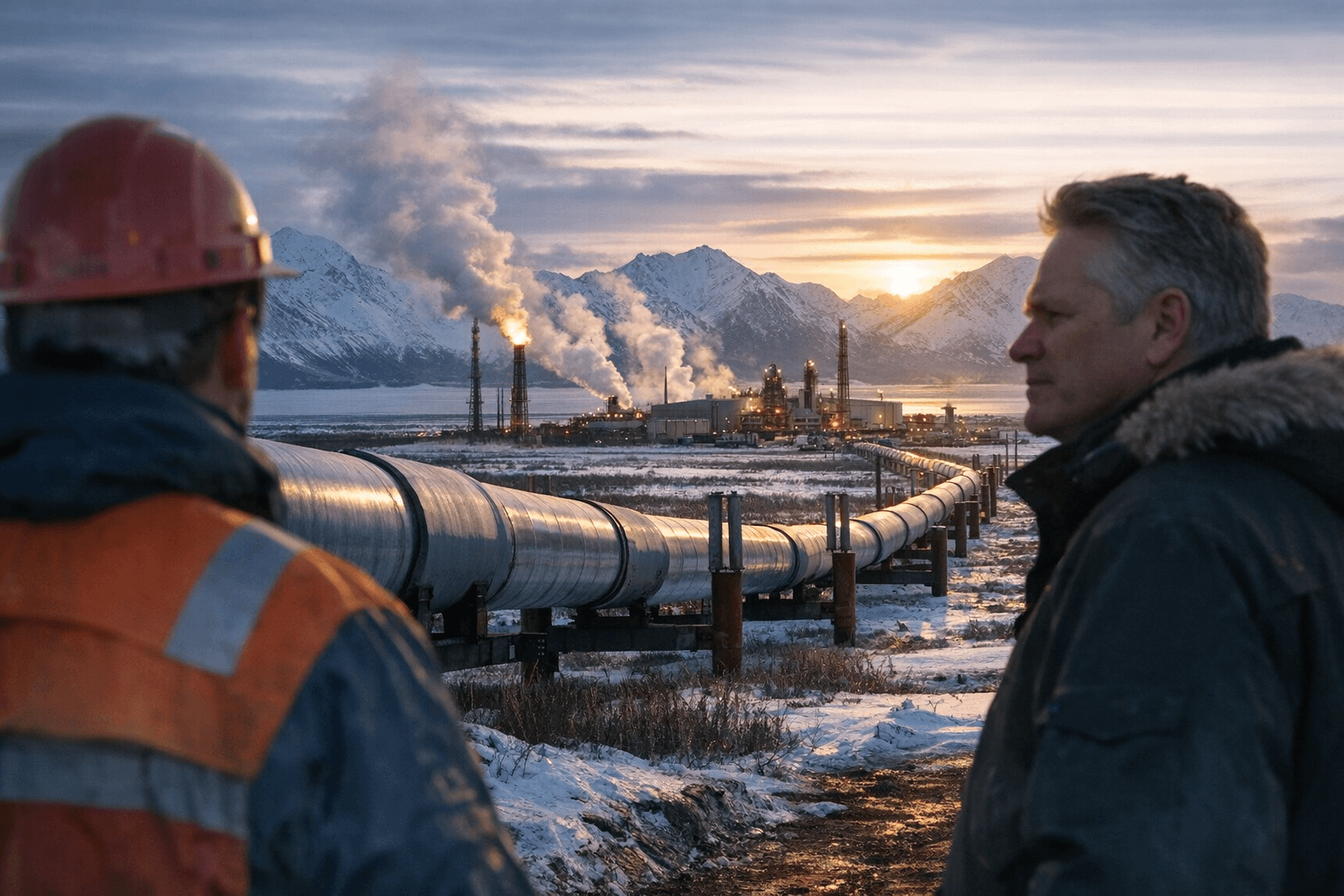
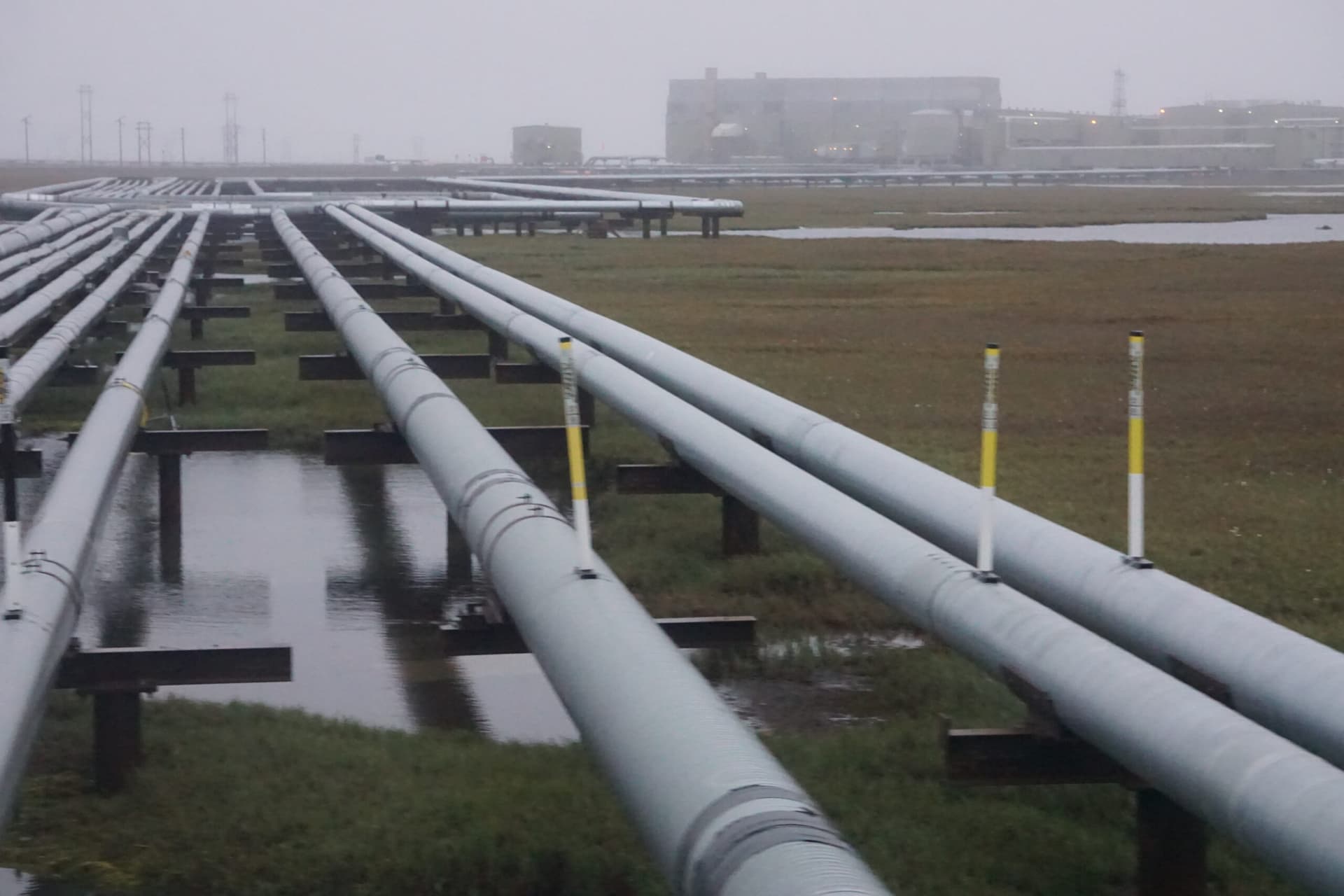
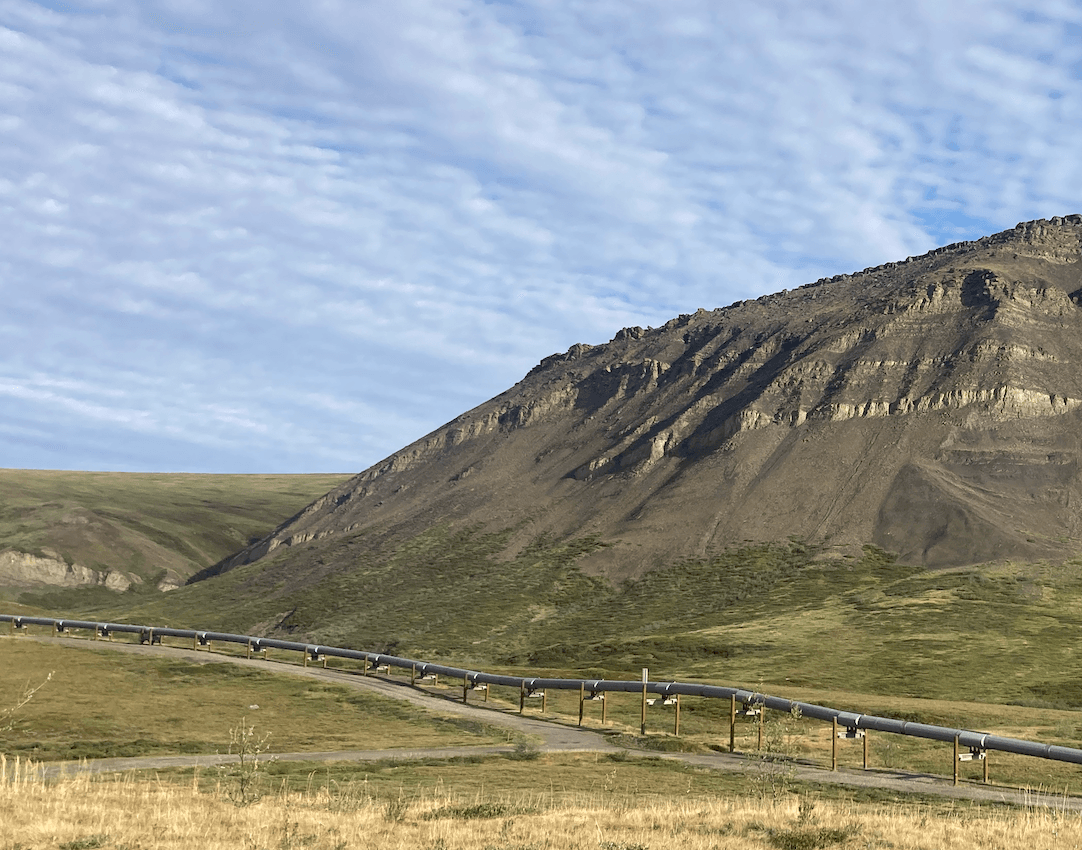
Governor Mike Dunleavy transmitted two companion bills to the Alaska State Legislature on March 20 that would scrap the existing 20-mill property tax on Alaska LNG pipeline infrastructure and replace it with a tax tied entirely to the volume of gas flowing through the pipe. SB 280 and HB 381 would replace the existing oil and gas property tax structure for the AKLNG project with an alternative tax based on the volume of gas moving through the pipeline rather than the assessed value of the pipeline itself.
The bill would exempt the Alaska LNG project from local taxes, including the 2% annual statewide property tax and local sales and use taxes, replacing them with a tax on the volume of gas flowing through the pipeline once it comes online. According to the bill's fiscal note, as reported by columnist Dermot Cole, that volumetric rate would be 6 cents per 1,000 cubic feet of gas, rising 1 percent every year. Under the bill, the Alaska Department of Revenue would administer the tax where the pipeline passes through unorganized borough territory; municipalities would levy it within their own boundaries.
The governor framed the shift as essential to the project's financial survival. "Don't tax the gas pipeline project as it's being built, but once gas starts to flow, then you tax it," Dunleavy said. His administration argued the current property tax creates a fixed cost burden in the years when construction spending is highest and revenue is zero, making the project harder to finance and more expensive for Alaskan ratepayers.
The Alaska Department of Revenue estimates the legislation could generate more than $26 billion in combined tax and royalty revenue over 30 years, including more than $22 billion to the state and nearly $4 billion to local governments, with revenue split between state and municipalities based on the share of infrastructure within each jurisdiction. But that figure has drawn immediate skepticism. Former legislative aide Hal Persily said he doesn't think the project will generate $26 billion in state and local taxes and royalties over 30 years. Dermot Cole's independent calculation, using a $50 billion project value and the fiscal note's own throughput projection of 3.5 billion cubic feet per day by 2033, put the annual yield of the volumetric tax at roughly $76 million per year, compared to approximately $1 billion per year under the current property tax structure, a reduction of about 92 percent. Some lawmakers reviewing the bill described it as a "massive tax cut" that could exceed $1 billion in lost potential revenue annually.
For North Slope Borough, the stakes are among the highest of any jurisdiction in the state. The North Slope and Kenai Peninsula boroughs would see larger reductions than Fairbanks, as their boundaries would encompass some of the project's major facilities. Cole's analysis noted that most of the annual volumetric revenue, estimated at roughly $76 million total, would flow to the North Slope, Denali, Mat-Su, and Kenai boroughs. The bill also explicitly preempts a broad list of municipal taxes on the project, substituting the volumetric levy in place of any municipal sales or use tax, income-based tax, license, excise, fee, or charge related to property or services tied to the pipeline.
Fairbanks North Star Borough Mayor Grier Hopkins said borough officials and others hosting project infrastructure do not agree with the bill's terms. The borough officials have been meeting regularly with representatives from the governor's office, the Alaska Gasline Development Corp., and Glenfarne. "The conversations have gone well, but this is not what we agree on, and I don't support this specifically for Fairbanks," Hopkins said. Even though only 2 miles of the pipeline would cross Fairbanks borough territory, Hopkins estimated the bill would remove roughly $350,000 in annual property tax revenue for his borough, using his own rough calculation. Kenai Peninsula Borough Mayor Peter Micciche, who said ahead of the bill's release that he was worried cutting local taxes during construction would force local taxpayers to subsidize the project, told a recent Borough Assembly meeting: "A fair deal is a fair deal, and fair deals are hard to do quickly. We want to make sure that we have our costs covered for our community."
Five mayors have been working together with the state's gas pipeline agency, the Alaska Gasline Development Corp., since January to work out a solution, Hopkins said. Hopkins said municipalities still need to keep working with the governor and the Legislature "to come up with something that's going to work for the municipalities, which all have really different needs."
Private developer Glenfarne, to which the state handed over project control, had specifically sought this type of relief. Adam Prestidge, president of Glenfarne Alaska LNG, said in a statement: "One of the key issues we have been discussing with state and local leaders is how to minimize energy costs for Alaskans. The property tax approach under consideration is an important part of that."

Senate Majority Leader Cathy Giessel, who chairs the Senate Resources Committee, told reporters that lawmakers have not received enough information from Glenfarne about the project's costs, making it difficult to know what steps should be taken to support it. Legislative hearings on the bill are scheduled to begin Wednesday, and Giessel said she planned to invite local mayors to testify at a Senate Resources Committee hearing on Friday.
The bill's timeline is compressed. Introduced at the midpoint of the legislative session, SB 280 and HB 381 have roughly 60 days for passage. If the bills clear both chambers, they take effect immediately, but the alternative tax structure terminates and the standard property tax is restored if commercial operations have not begun by January 1, 2040. Under the suspension mechanics reported from the fiscal note, the volumetric tax would not apply until 10 years after pipeline operations begin or until throughput reaches 1 billion cubic feet per day, whichever comes first. Dunleavy, in his final term, acknowledged the urgency: if the bill dies at session's end, it cannot be reintroduced by his administration.
Dunleavy said the ongoing conflict affecting the Strait of Hormuz, a critical chokepoint for global energy shipping, gave the Alaska LNG project new urgency. For the North Slope and the communities that depend on property tax revenue from the oil and gas infrastructure underpinning borough finances, whether the Legislature can close a deal with municipal governments in the weeks remaining may determine whether Alaska's long-stranded gas moves at all.
Know something we missed? Have a correction or additional information?
Submit a Tip