Dunleavy pushes gasline tax cuts as special session begins
Dunleavy’s gasline tax bill could wipe out about 90% of North Slope property-tax revenue, putting borough services and projects at risk.
A proposed gasline tax break could wipe out about 90% of the property-tax revenue local governments expect from Alaska LNG, a shift that North Slope Borough leaders say would affect schools, roads, public safety and future capital projects before any pipeline is built.
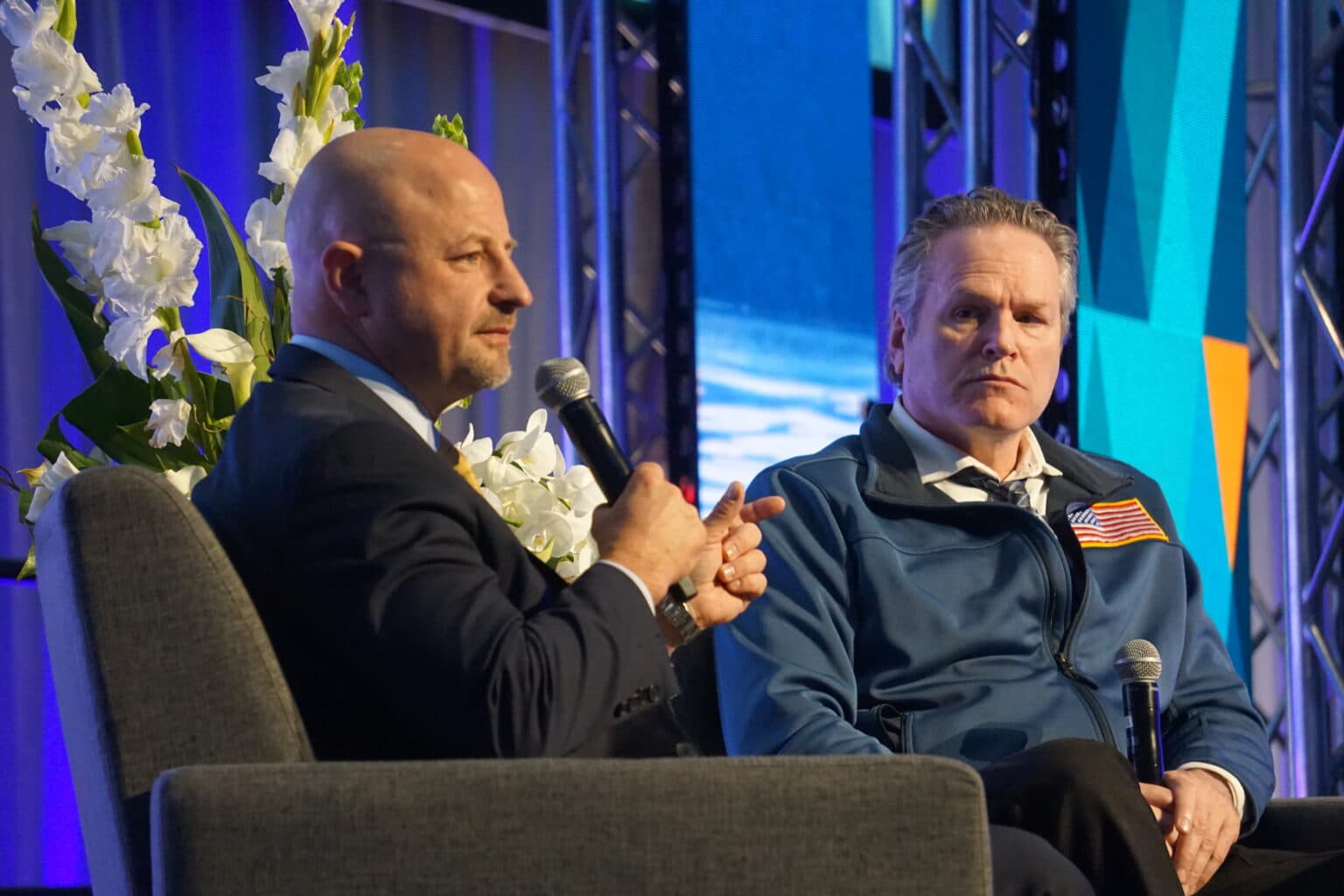
Gov. Mike Dunleavy opened a special legislative session by pressing lawmakers to approve the Alaska LNG tax changes he wants, telling an audience at the Alaska Sustainable Energy Conference in Anchorage that the project had moved from concept to execution. He set the session to begin at 10 a.m. Thursday, right after the regular session ended at 11:59 p.m. Wednesday, and said it would continue as long as needed to force a decision on the tax proposal.
The bill would replace state and local petroleum property taxes with an alternative volumetric tax on natural gas flowing through the pipeline. The Alaska Department of Revenue estimated that, at full capacity, the change would amount to roughly a 90% reduction in property-tax revenue for the gasline system. Dunleavy and Glenfarne chief executive Brendan Duval say the change is needed to make the roughly $46 billion project financeable and to win backing from investors and creditors.

For North Slope Borough, the numbers are stark. Borough budget materials say property tax revenue makes up about 83% of operating revenues, and earlier reporting has said oil and gas infrastructure taxes provide more than 90% of the annual budget. The borough’s 2025-2026 budget was built around an estimated $25.3 billion assessed value for oil and gas property inside its borders. Mayor Aullaqsruaq Patkotak has estimated the proposed tax break would leave the borough about $12 billion worse off than under current law.
The pressure on local governments was on display in March, when five Alaska mayors testified in support of the 800-mile pipeline but warned that the revenue loss could hit municipal services. Kenai Peninsula Borough Mayor Peter Micciche called the governor’s offer a “bottom offer” and warned that the borough could face tens of millions of dollars in annual impacts. He also said the proposed elimination of local taxes was “cutting deep into the fabric of how our communities work.” Glenfarne’s Alaska LNG president has said the company understands municipalities will be affected and is still discussing how it might help cover some of those costs.

The fight comes at a moment when the project is being promoted as close to real construction, even though it has been discussed for years. The Alaska LNG project entered Federal Energy Regulatory Commission pre-filing on Sept. 5, 2014, and state and company officials have since marked milestones they say improve momentum. Alaska Gasline Development Corp. says the updated cost estimate is $38.7 billion. Glenfarne says Phase One is meant to deliver gas to Alaskans first, with exports to follow later from Nikiski.
A White House letter issued in May said clear and predictable tax policy would improve feasibility, attract private investment and help secure final commitments. For North Slope communities, the credibility test is simpler: whether a project billed as close to execution can justify taking away a major local revenue source before a single mile of pipeline is built.
This article was produced by Prism’s automated news system from verified source data, official records, and press releases, then run through automated quality and moderation checks before publishing. The system is built and supervised by the people who set the standards it runs under. Read our full AI policy.
Know something we missed? Have a correction or additional information?
Submit a Tip