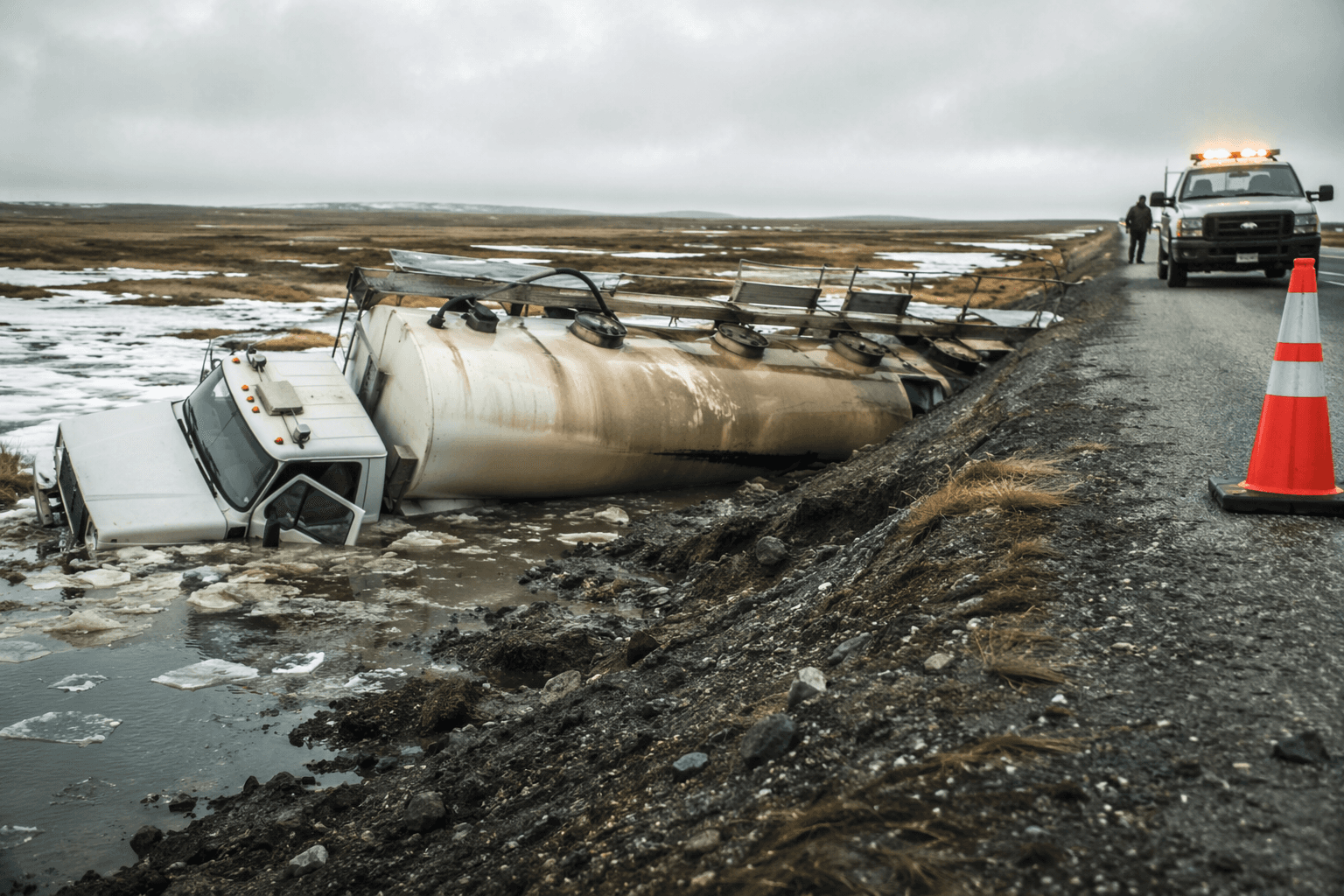
North Slope winter tundra travel closes as snowpack melts
Hunters, crews and residents lost their winter tundra access as the North Slope thawed, and any trips already underway had to be wrapped up by May 23.
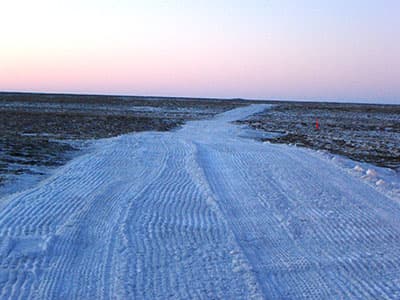
The last winter off-road travel across North Slope tundra closed as warming temperatures and strong sunlight broke down the snowpack, forcing hunters, residents, contractors and field crews to change plans fast. Any travel already underway had to be completed by May 23, ending the season’s remaining access window on Alaska state land.
The Alaska Department of Natural Resources said only the Eastern Coastal tundra area and Western Coastal tundra area opened for off-road travel this winter. The Brooks Range foothills area, one of the state’s three monitored opening zones, did not open for the season. For people moving equipment, supplies and crews into places without roads, that meant winter access narrowed quickly to the coastal routes before shutting down altogether.
DNR manages those openings by watching snow depth and soil temperatures through the winter. In the coastal areas, winter off-road travel opens only when soil temperature 12 inches down reaches 23 degrees Fahrenheit and average snow depth is 6 inches. When those conditions start to fail, the safe travel window closes just as quickly, because thinning snow can expose tundra, damage vegetation and turn once-firm routes into unsafe ground.
The department also said off-road travel on state land generally requires a permit unless the trip is for subsistence activities. DNR posts information and announcements through its tundra notification listserv, which remains the main channel for travelers tracking changes in opening and closing dates across the North Slope.
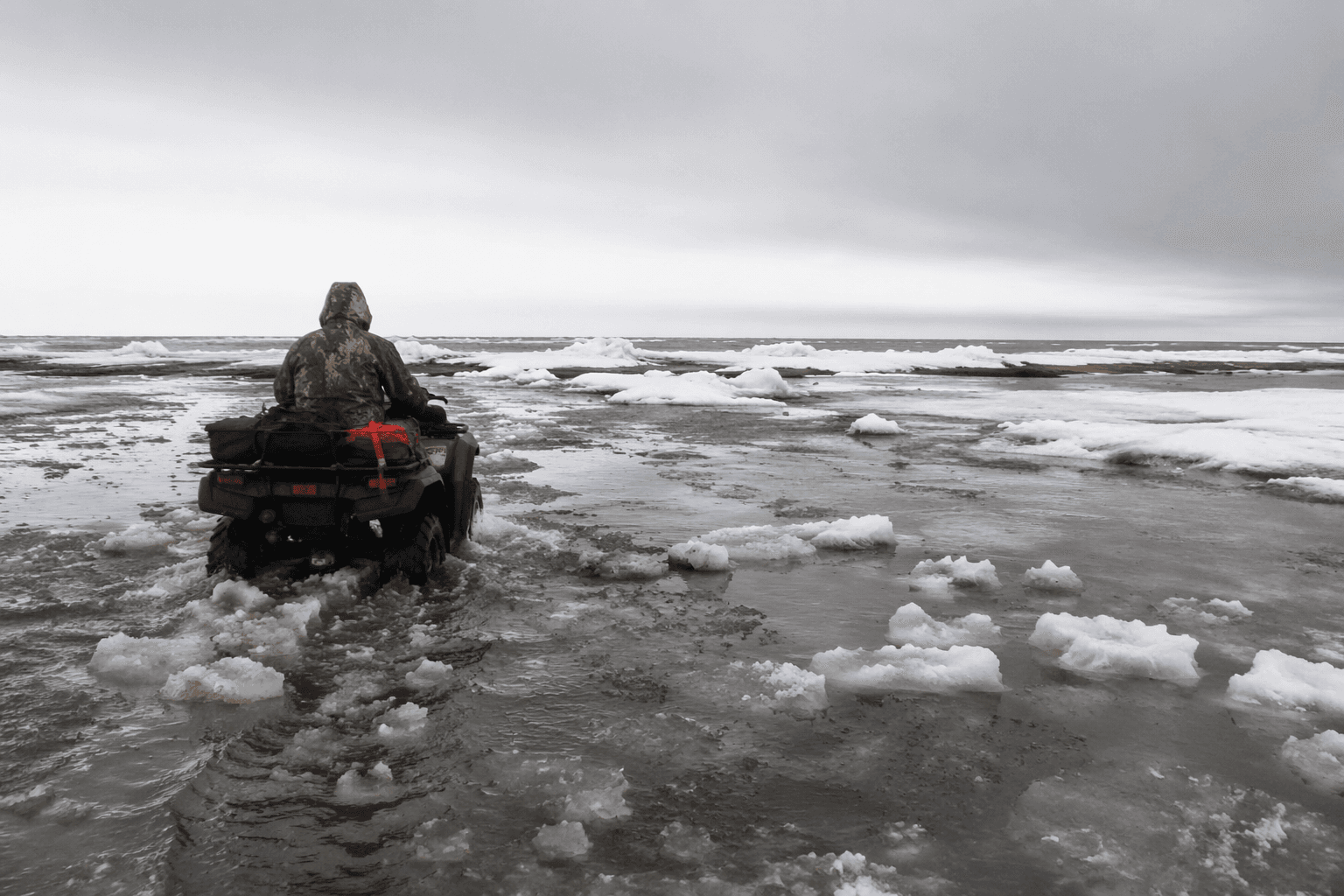
The May closure fit a familiar late-spring pattern, but the timing still matters for work in remote parts of the borough. In 2025, DNR closed North Slope tundra travel effective May 19 after widespread snowpack deterioration. In 2024, all tundra opening areas on state lands closed on May 15, with in-progress travel required to end by May 18 and summer off-road travel barred until at least July 15 unless a specific project had approval.
For North Slope communities, the message was straightforward: once the snowpack weakens, winter access ends, and the region shifts from over-snow travel back to other transport plans. The closure marked the end of a short seasonal corridor that depends on the quality of the snow as much as the route itself.
This article was produced by Prism’s automated news system from verified source data, official records, and press releases, then run through automated quality and moderation checks before publishing. The system is built and supervised by the people who set the standards it runs under. Read our full AI policy.
Know something we missed? Have a correction or additional information?
Submit a Tip