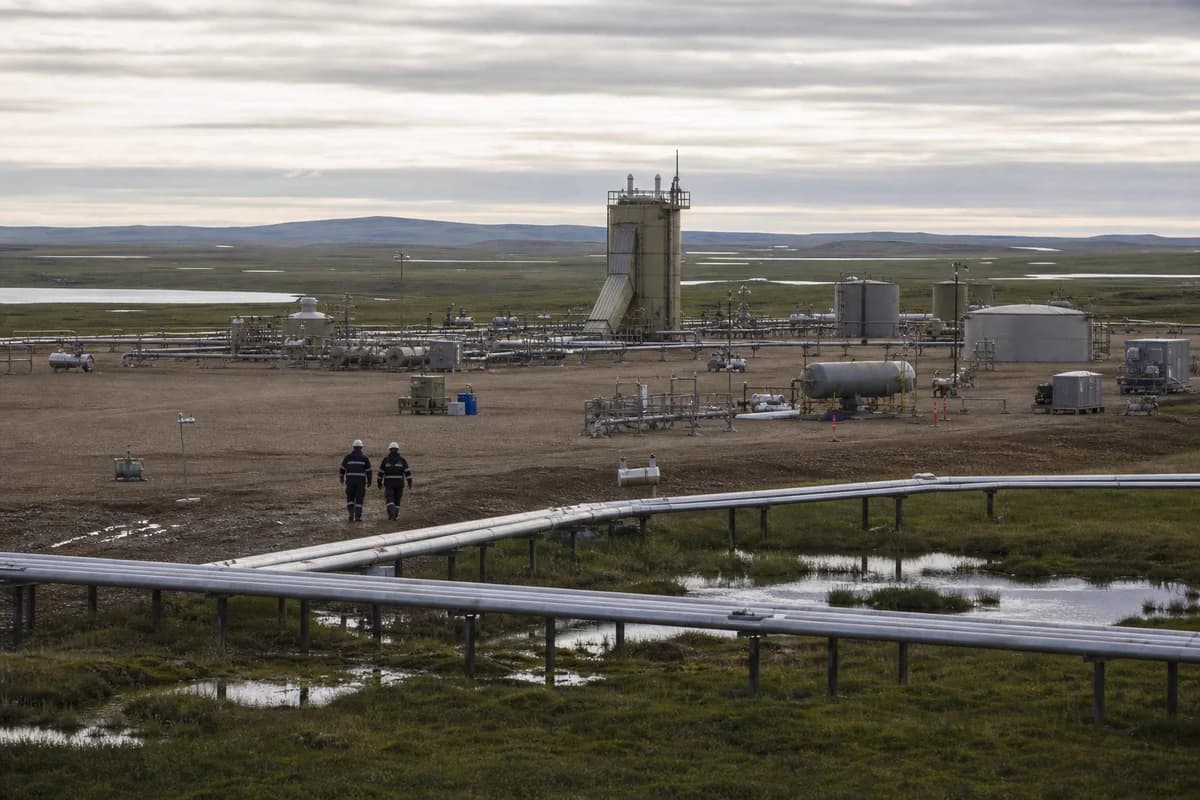
EPA grants 20-day diesel waiver for North Slope fuel supply issues
EPA issued a 20-day diesel waiver for the North Slope after supply disruptions tied to Middle East conflict, a move officials say could ease prices and keep fuel moving.
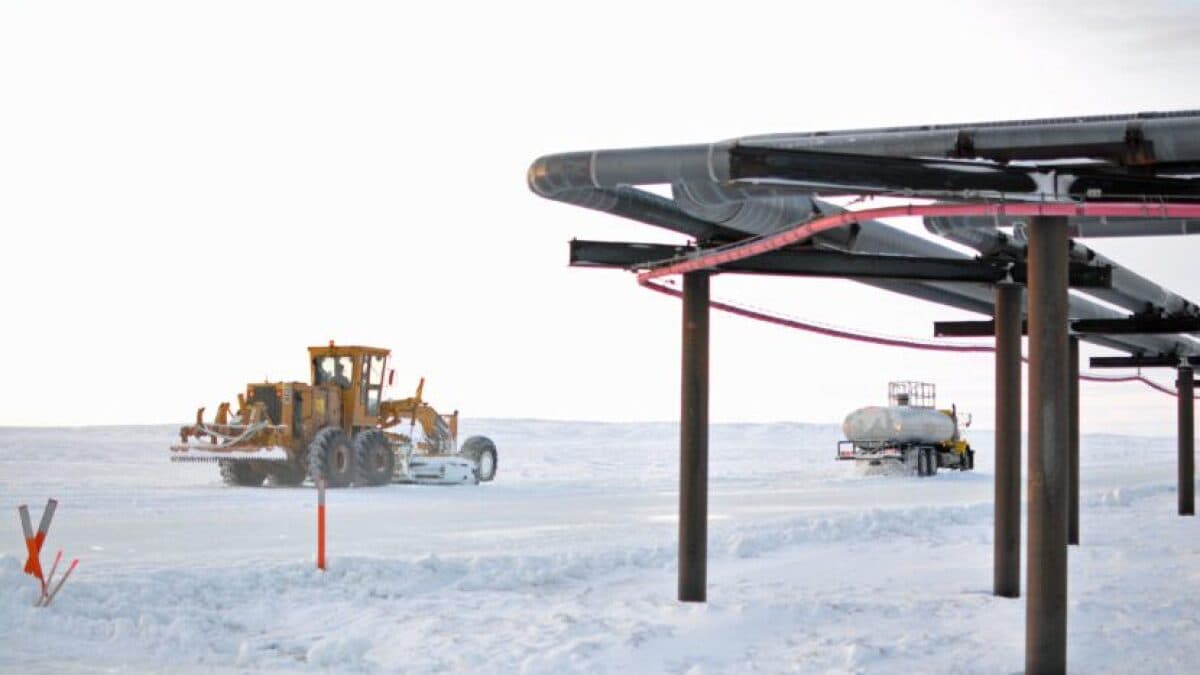
EPA granted a 20-day waiver that lets higher-sulfur diesel be used above the Arctic Circle in Alaska, a temporary move aimed at keeping fuel moving for North Slope operations facing supply disruptions tied to global turmoil in the Middle East.
The U.S. Environmental Protection Agency issued the waiver in a July 17 letter to Gov. Mike Dunleavy, citing Clean Air Act section 211(c)(4)(C)(ii)(I) and what it called “extreme and unusual fuel supply circumstances.” The agency said the problem included disruptions affecting diesel deliveries on the West Coast of the United States, which in turn were affecting Arctic fuel supply conditions.
The waiver applies only for 20 days and is described as a short-term response for remote Arctic operations. EPA said the action is temporary and targeted at keeping diesel supply moving above the Arctic Circle in Alaska, where fuel logistics are more vulnerable to outside shocks than in road-connected parts of the state.
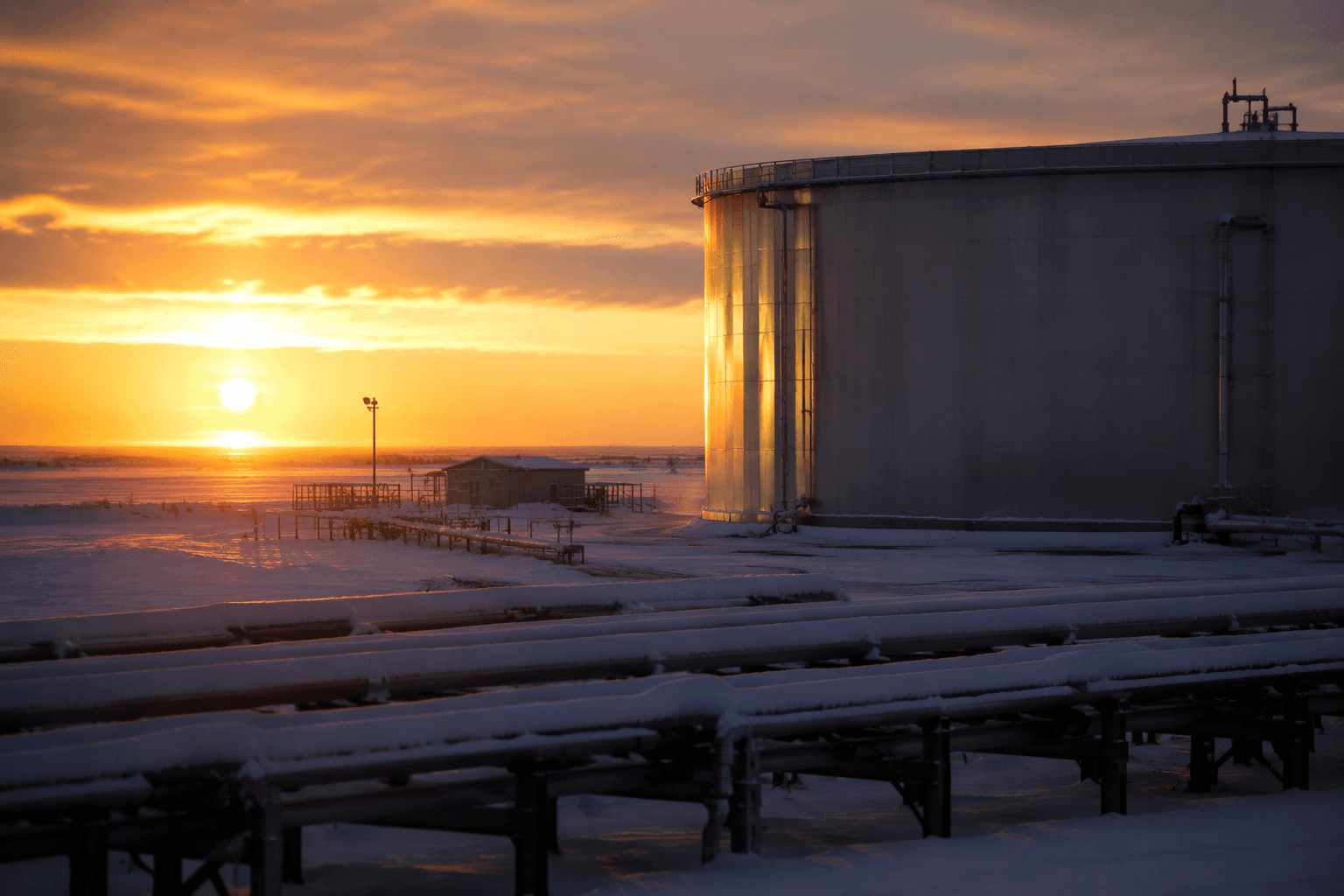
The decision is a tradeoff between supply security and air-quality protections. By lifting federal ultra-low-sulfur diesel requirements for the waiver period, EPA opened the door to higher-sulfur fuel in the North Slope and other Arctic areas covered by the order. The agency framed the step as a way to avoid tighter supply conditions while deliveries remain strained.
Dan Sullivan welcomed the move and said the relief would put downward pressure on Alaska fuel prices and increase supply. EPA Administrator Lee Zeldin echoed that message in a public post, writing: “Today, to increase supply and lower costs, I signed a fuel waiver that lifts federal ultra low sulfur diesel requirements and allows for the use of higher sulfur diesel above the Arctic Circle in Alaska.”
For North Slope communities and businesses that depend on reliable fuel deliveries, the immediate benefit is straightforward: more room in the supply chain while the waiver is in force. The risk is equally clear. The temporary fix does not resolve the underlying disruption, and it leaves air-quality safeguards relaxed for a limited period while officials try to keep diesel moving into Alaska’s far north.
This article was produced by Prism’s automated news system from verified source data, official records, and press releases, then run through automated quality and moderation checks before publishing. The system is built and supervised by the people who set the standards it runs under. Read our full AI policy.
Did this article answer your question?