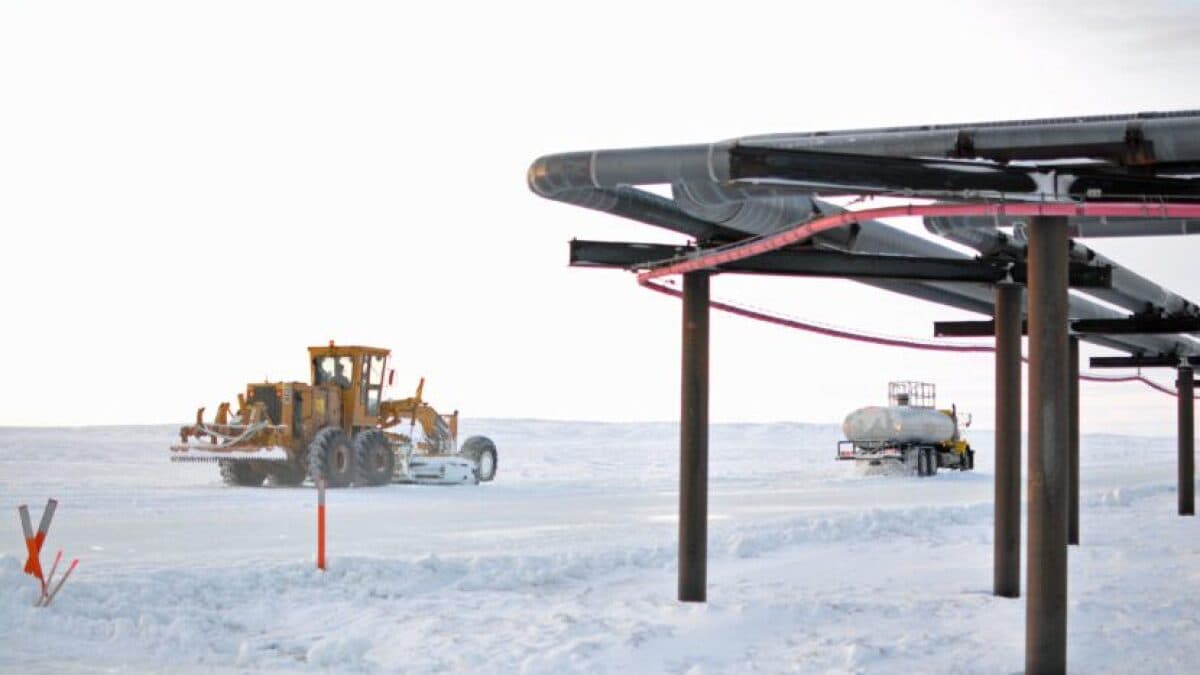
Visitors see life at the edge of the Arctic in Utqiagvik
Utqiagvik is where Arctic policy meets daily reality, with housing, freight, roads and health care all shaping what visitors should take home.
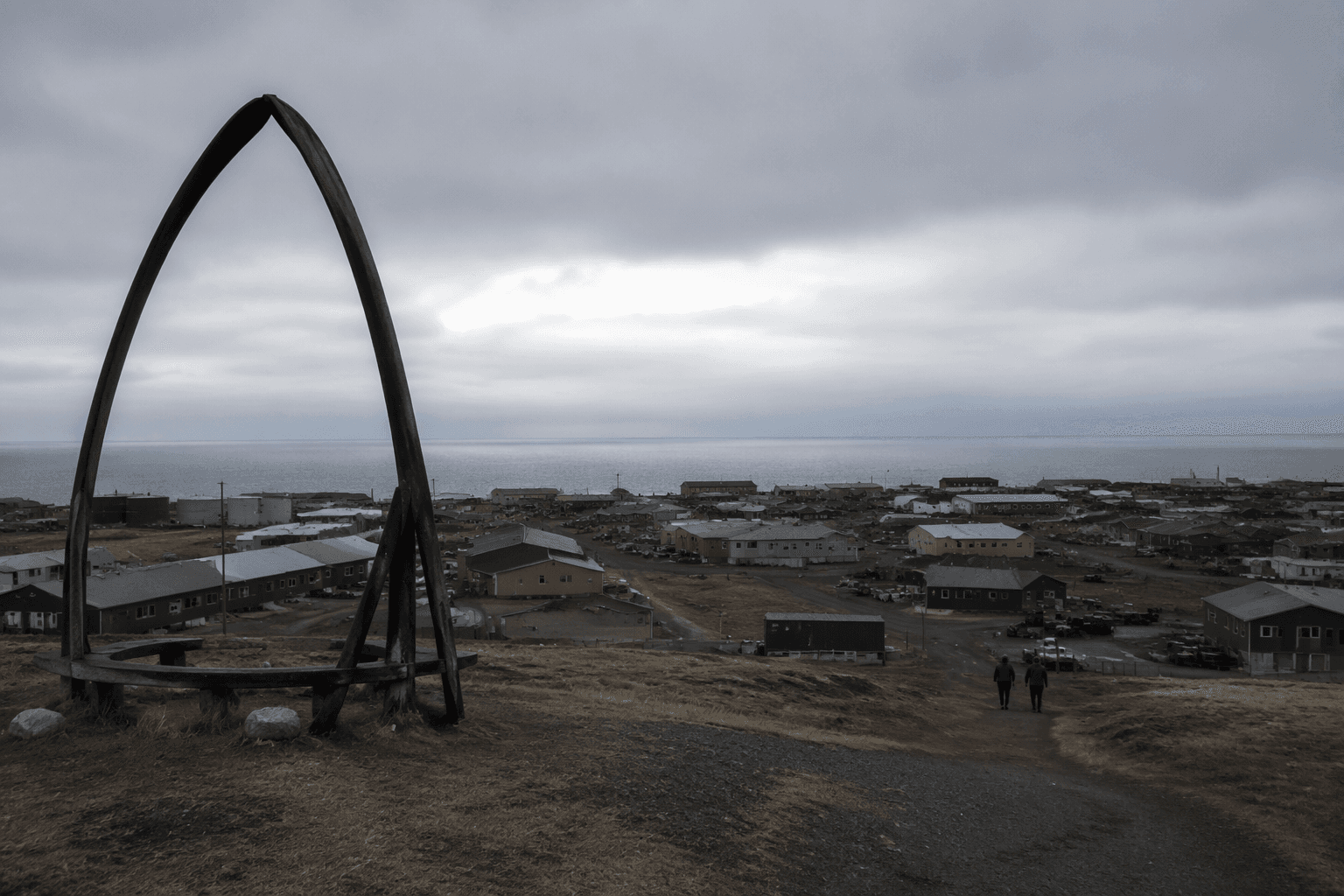
Utqiagvik is where outside officials can see what Arctic governance really costs. On the edge of the Arctic Ocean, the North Slope Borough seat is the economic, transportation and administrative center for a region where air service, housing, utilities and freight decide how daily life works. A visit here only matters if it produces concrete follow-up on the practical pressures residents live with every day.
Utqiagvik as the borough’s working center
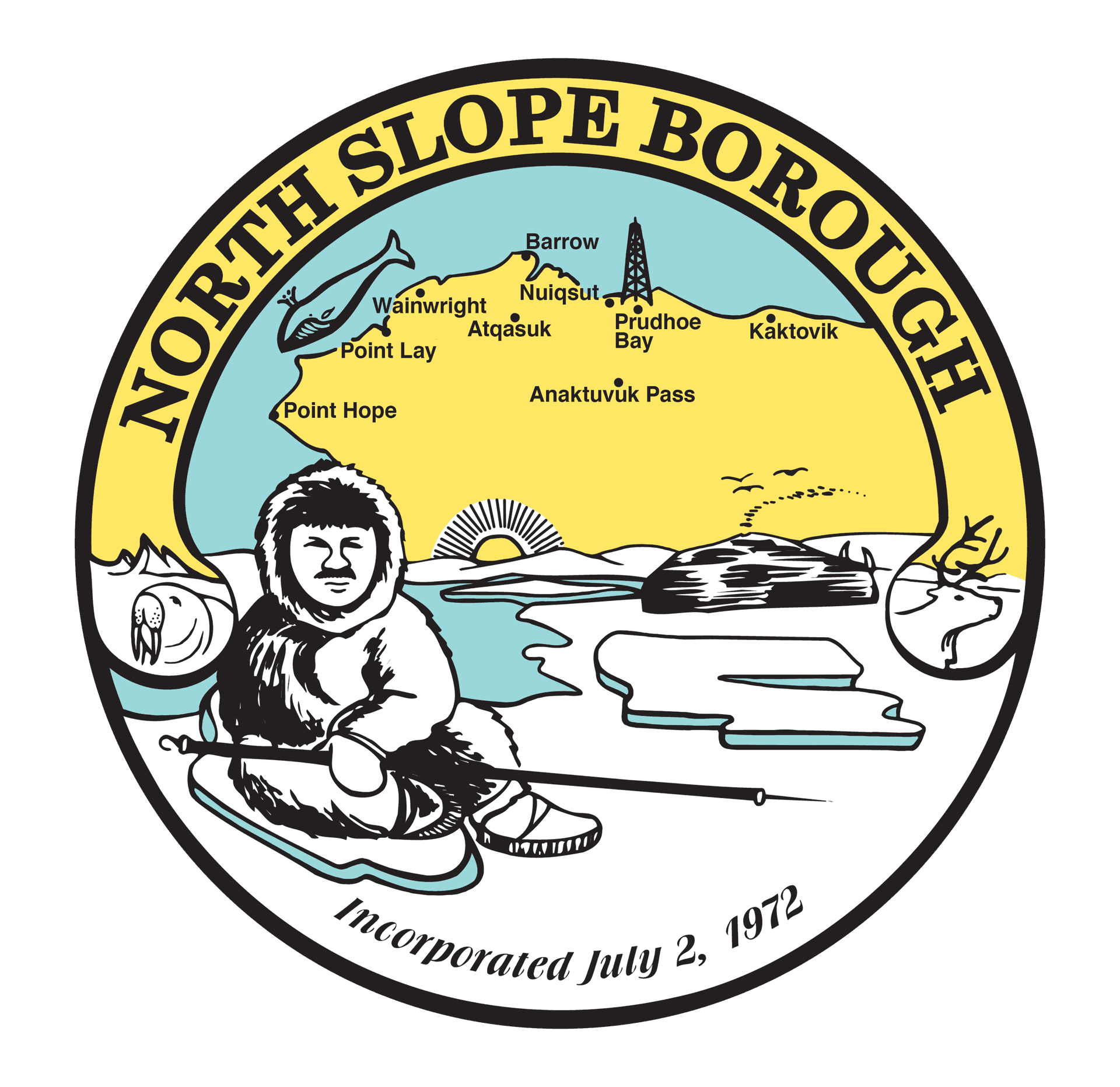
North Slope Borough visitor information describes the region’s people as mostly Iñupiat and says the borough’s eight villages range in population from 250 to 4,429. The same materials put the North Slope population at 9,503 in 2011, a reminder of how small the region is compared with the systems it has to support. In that setting, Utqiagvik is not just the largest community. It is the place where borough governance, transport, and service delivery come together.
That concentration matters because so many decisions for the North Slope cannot be spread across a dense road network or a large labor pool. When visitors land in Utqiagvik, they are seeing the hub that keeps the rest of the borough connected to public administration, freight, and the institutions that help define daily life. For local leaders, every outside trip should answer one question: did the visitor leave understanding how the borough actually functions, or did the trip stop at a photo opportunity?
What the travel reality looks like on the ground
Borough planning documents treat airports as an essential part of the region’s transportation system, and that is one of the clearest signals that Utqiagvik’s airport is not a side feature. Air cargo, passenger flights, and the ability to move supplies in and out shape everything from construction schedules to how quickly communities get what they need. In a place where roads do not fill the same role they do elsewhere in Alaska, the airport is part of the basic infrastructure of survival.
The road question is just as important. A North Slope Borough transportation archive includes work on an Atqasuk to Utqiagvik all-season access road, showing that access by road has been a long-running planning issue rather than a new idea. That history matters because permafrost, distance, and weather make standard transportation assumptions unreliable here. Any dignitary who visits Utqiagvik should come away with a clearer sense of why the borough keeps returning to access, freight, and maintenance as central policy problems.
Housing is not an abstract policy issue here
The borough’s housing resources guide ties its release to the January 22-24, 2025 housing summit and says it was made possible through Mayor Josiah A. Patkotak’s prioritization of local home ownership as a critical focus area. That connection places housing where it belongs in North Slope politics: not as a background social issue, but as a core piece of long-term community stability. In Utqiagvik, the condition and availability of homes affect whether families can stay, whether workers can relocate, and how much pressure lands on public services.
The housing guide also shows how local policy has been moving through formal borough channels, not just conversation. Housing priorities now sit alongside larger planning and transportation questions, which is exactly why visitors need to ask what they saw about overcrowding, building costs, and the challenge of keeping homes habitable in an Arctic climate. If the visit does not sharpen the case for funding, regulation, or local ownership strategies, then it misses one of the borough’s most urgent daily realities.
The planning record points in the same direction. The North Slope Borough’s comprehensive plan archive says the first boroughwide comprehensive plan was adopted in 1983 and last updated in 2005 before the 2019-2039 plan. A separate 2025 Utqiagvik Comprehensive Plan was adopted by the borough on July 8, 2025. Together, those milestones show that land use, housing, and infrastructure in Utqiagvik are being handled as long-term institutional questions, not one-off projects.
Culture is part of the civic infrastructure
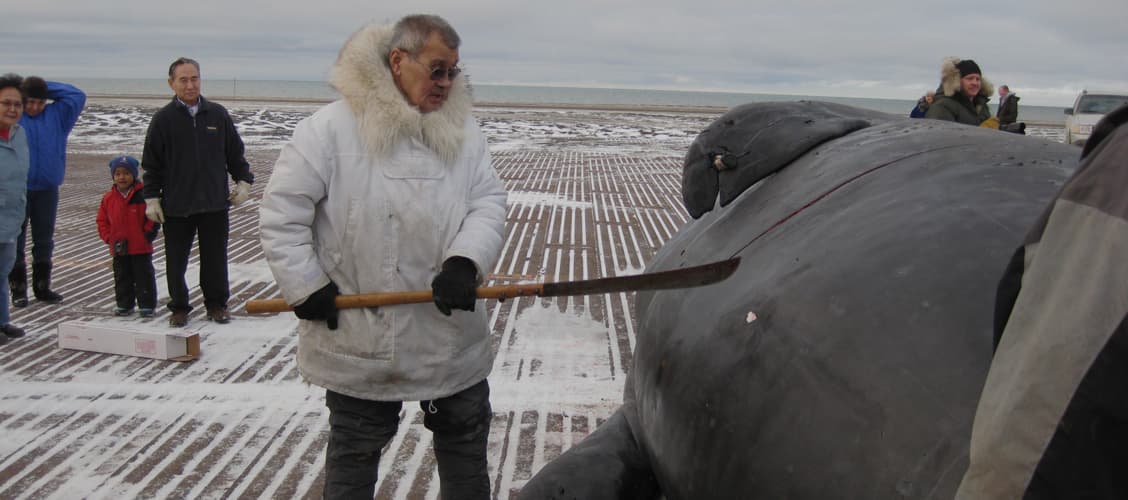
Any serious visit to Utqiagvik also has to account for the cultural life that gives the community its character. A North Slope Borough visitor guide describes Kivgiq, also called Messenger Feast, as a mid-winter festival in January and February that is not annual and lasts three days. It brings Inuit from across the North Slope, Russia, Canada and Greenland together for dance, song and bartering, while renewing family ties and age-old traditions.
That matters because Utqiagvik is not just an administrative center or a logistics node. It is a living Iñupiat community with cross-border ties, a place where public decisions sit alongside cultural continuity. Visitors who understand that are more likely to see why local leaders keep pressing on housing, transport, and services instead of treating the borough as a distant map location.
What should follow the visit
The real test of any trip to Utqiagvik is whether it changes decisions in the weeks and months that follow. If visitors leave with a better grasp of airport dependence, road constraints, housing shortages, and the cost of delivering services to a remote Arctic community, then the visit can shape infrastructure funding, transportation planning, energy policy, public safety, and emergency preparedness. If not, it becomes another pass through the borough seat without a policy payoff.
Utqiagvik gives decision-makers a direct view of what it takes to govern at the top of Alaska. The question now is whether that view leads to concrete action that matches the scale of the North Slope’s needs.
This article was produced by Prism’s automated news system from verified source data, official records, and press releases, then run through automated quality and moderation checks before publishing. The system is built and supervised by the people who set the standards it runs under. Read our full AI policy.
Did this article answer your question?