Federal Defense Bill Sends New Money, Benefits to Alaska Arctic
Congress approved the 2026 National Defense Authorization Act on December 23, 2025, and the bill includes an annual paid round trip flight home for soldiers and Coast Guard members stationed in Alaska, plus roughly 115 million dollars earmarked for Arctic infrastructure tied to Adak reactivation. The measures expand federal investment in Arctic operations and could have downstream effects on North Slope Borough logistics, contracting, and regional planning.
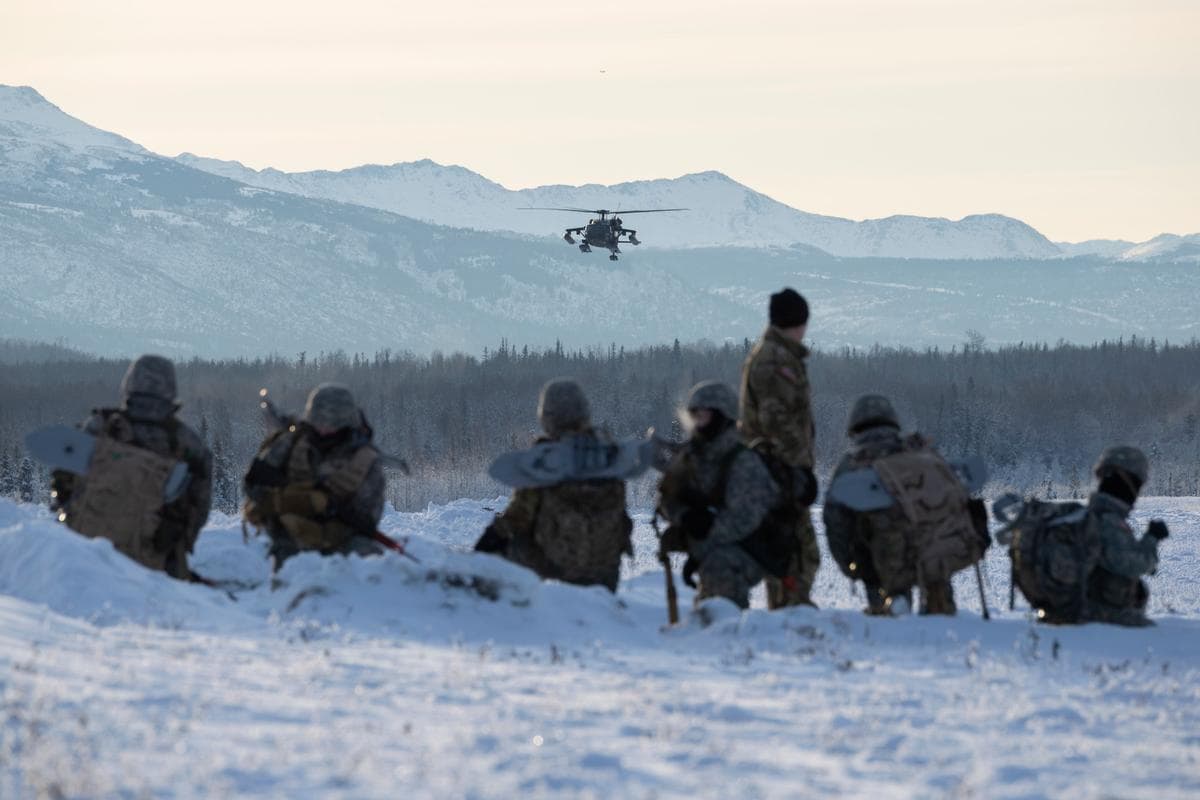
Federal lawmakers finalized the annual defense authorization on December 23, 2025, embedding provisions that directly affect Alaska communities and Arctic operations. The bill establishes a program that will provide a paid annual round trip flight home for active duty soldiers and Coast Guard members stationed in Alaska. Lawmakers also secured roughly 115 million dollars in earmarked funding for Arctic infrastructure, a package Senator Dan Sullivan tied to efforts to reactivate the Adak naval base. The authorization includes additional Alaska oriented construction and Coast Guard investments intended to strengthen operations in the region.
Supporters view the 115 million dollars as seed money for initial assessments, planning and early work on cold region infrastructure, rather than full funding for large scale construction or base reopening. That framing suggests the appropriation is a first step that could trigger follow on funding decisions and detailed engineering studies. Reactivation of Adak would require further investments, environmental reviews and coordination among federal, state and local stakeholders before any significant construction or operational changes occur.
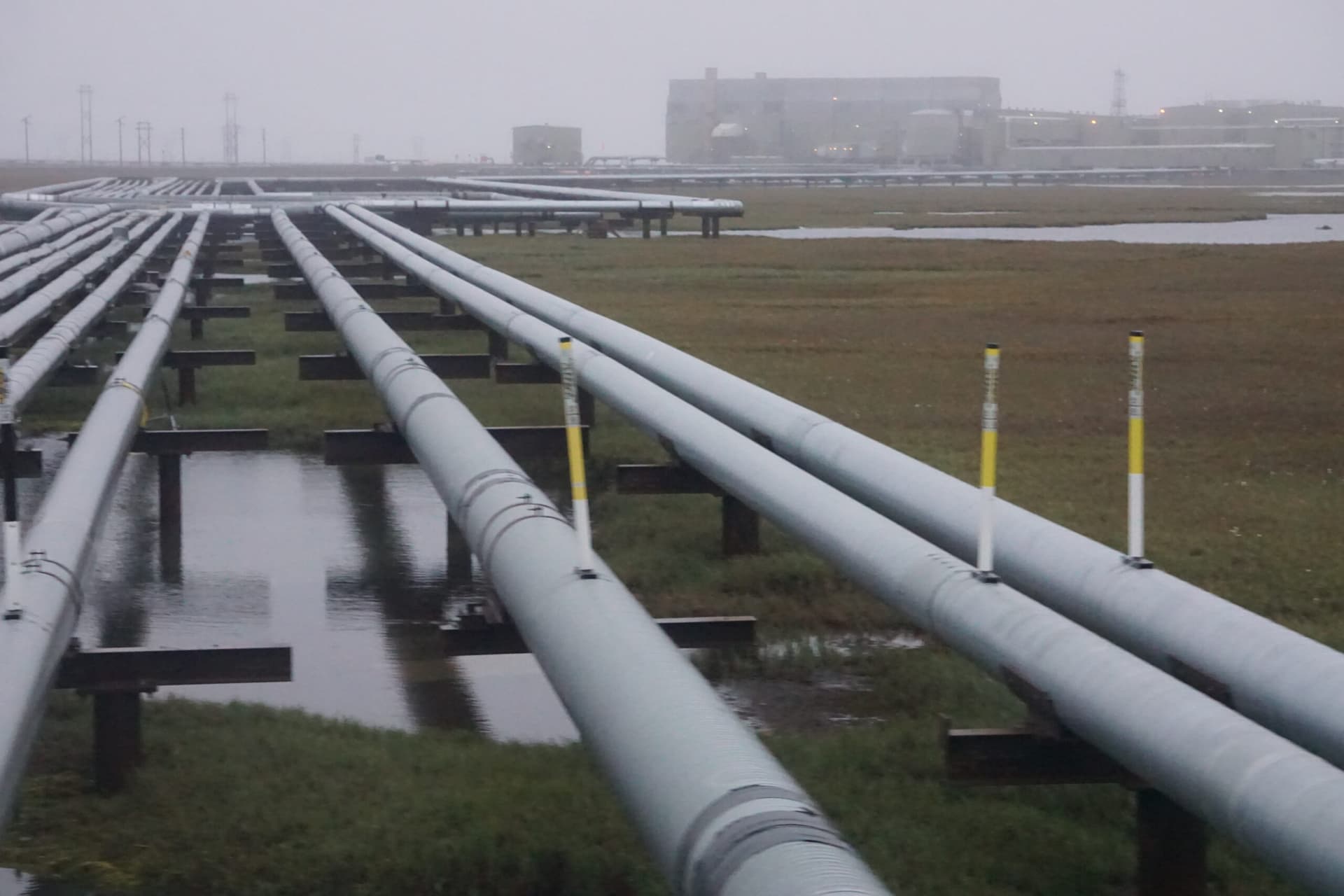
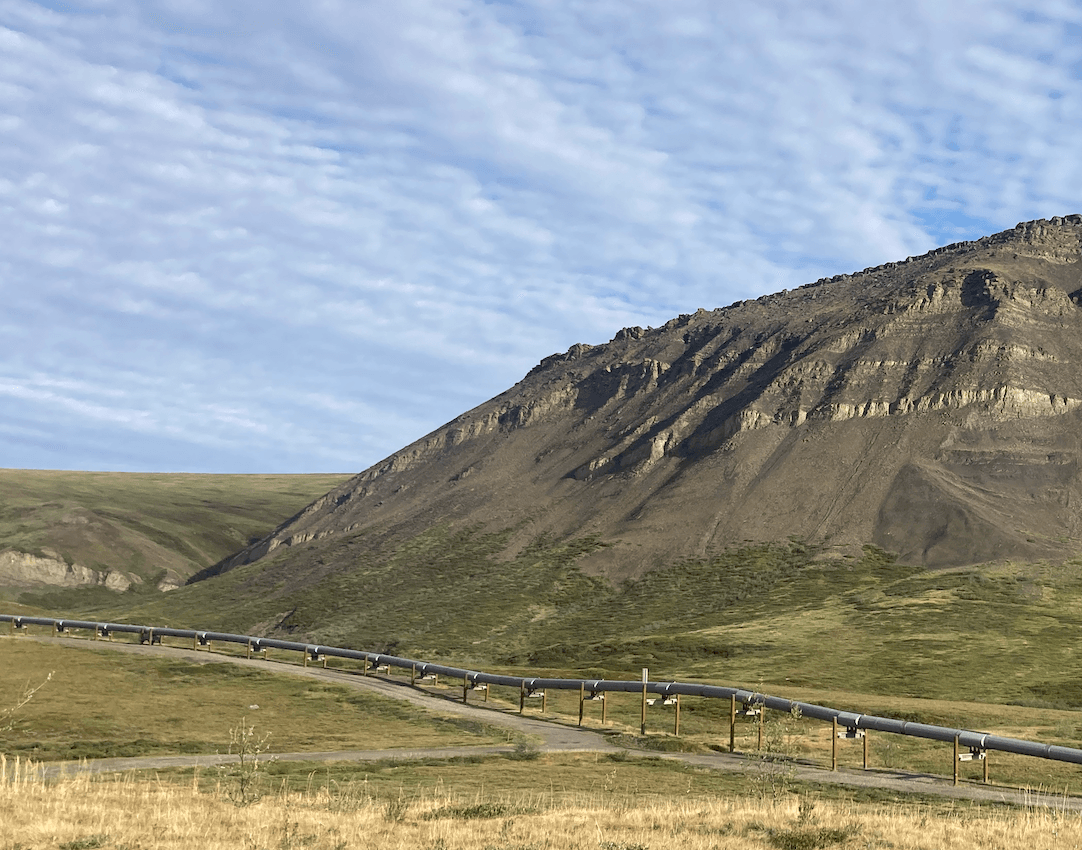
For North Slope Borough the legislation matters in concrete ways. Expanded Coast Guard investment and logistics planning for Arctic operations can alter search and rescue capabilities, port and runway priorities, and seasonal support requirements that affect local communities. Early planning and assessment work creates contracting opportunities for engineering, environmental review and construction services. That work could generate short term jobs and inform long term regional infrastructure priorities, including workforce training and supplier development to capture federal dollars.
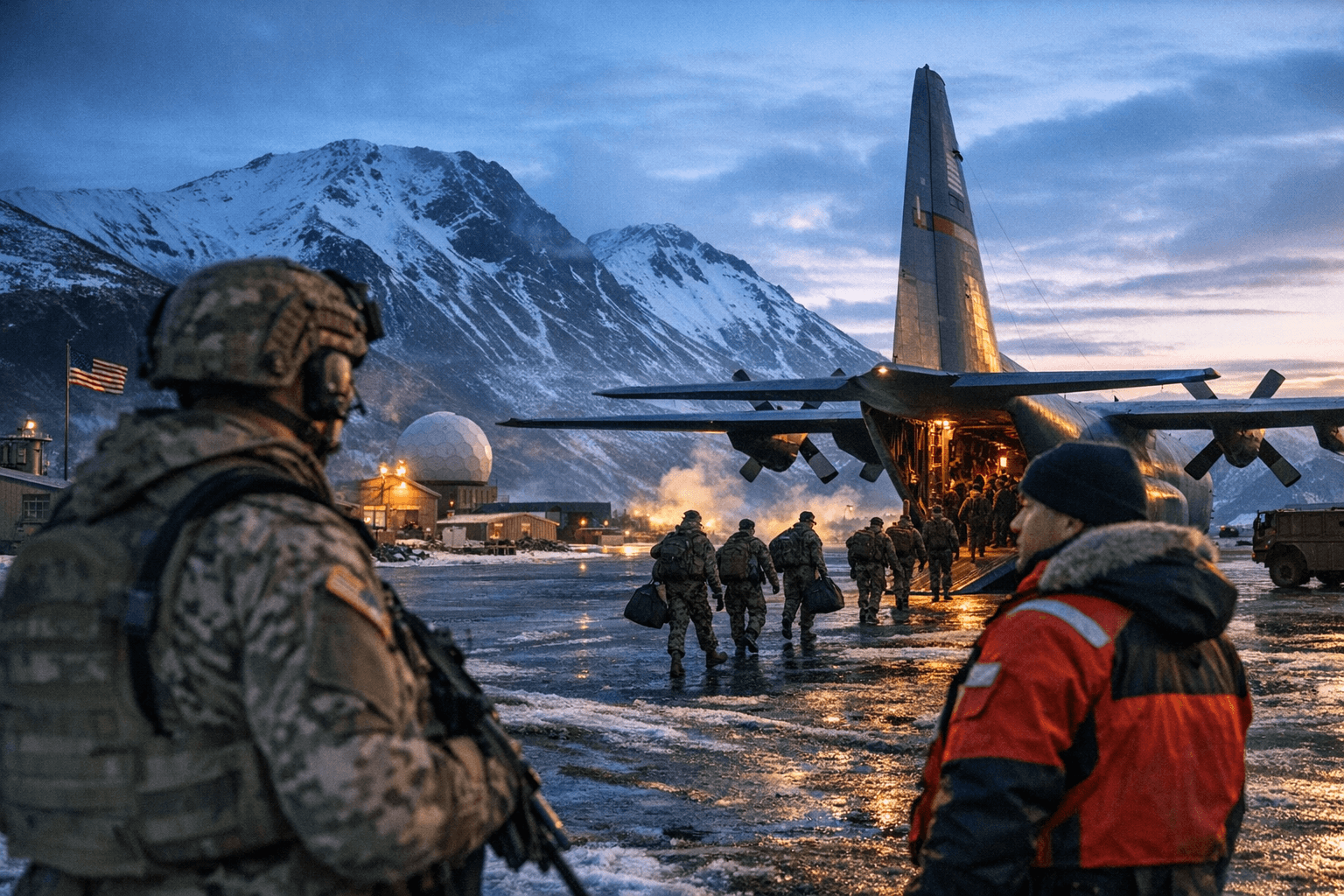
Implementation and oversight will determine how much of the benefit reaches North Slope residents and businesses. Borough officials, Native corporations and tribal governments will need to engage federal agencies to shape project scopes, bidding rules and workforce plans. Transparency around project timelines, environmental assessments and contracting opportunities will be essential to translate the initial infusion of funding into sustained local economic and operational benefits for the Arctic region.
Know something we missed? Have a correction or additional information?
Submit a Tip