Federal government appeals ruling blocking Teshekpuk Lake lease sales
The lease sale block around Teshekpuk Lake stayed in place as the Interior Department appealed. Nuiqsut leaders are still watching caribou access, subsistence hunting, and future drilling jobs.
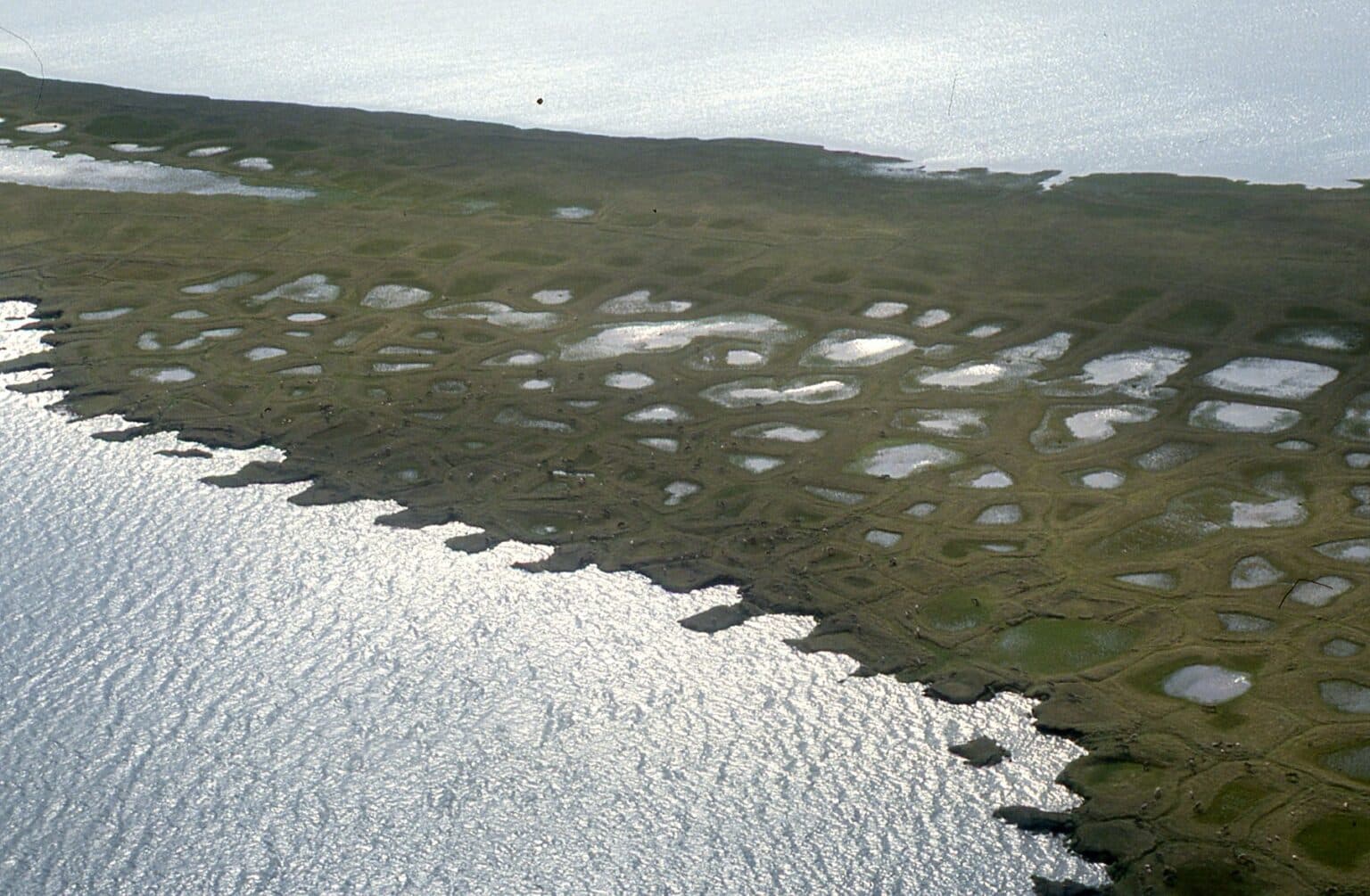
The fight over Teshekpuk Lake moved to the 9th U.S. Circuit Court of Appeals, but the practical effect on the North Slope did not change: lease sales in part of the National Petroleum Reserve-Alaska remained blocked for now. The appeal keeps alive a dispute that reaches far beyond court papers, with stakes for caribou access, seasonal hunting patterns, and the villages and jobs tied to any future drilling decision.
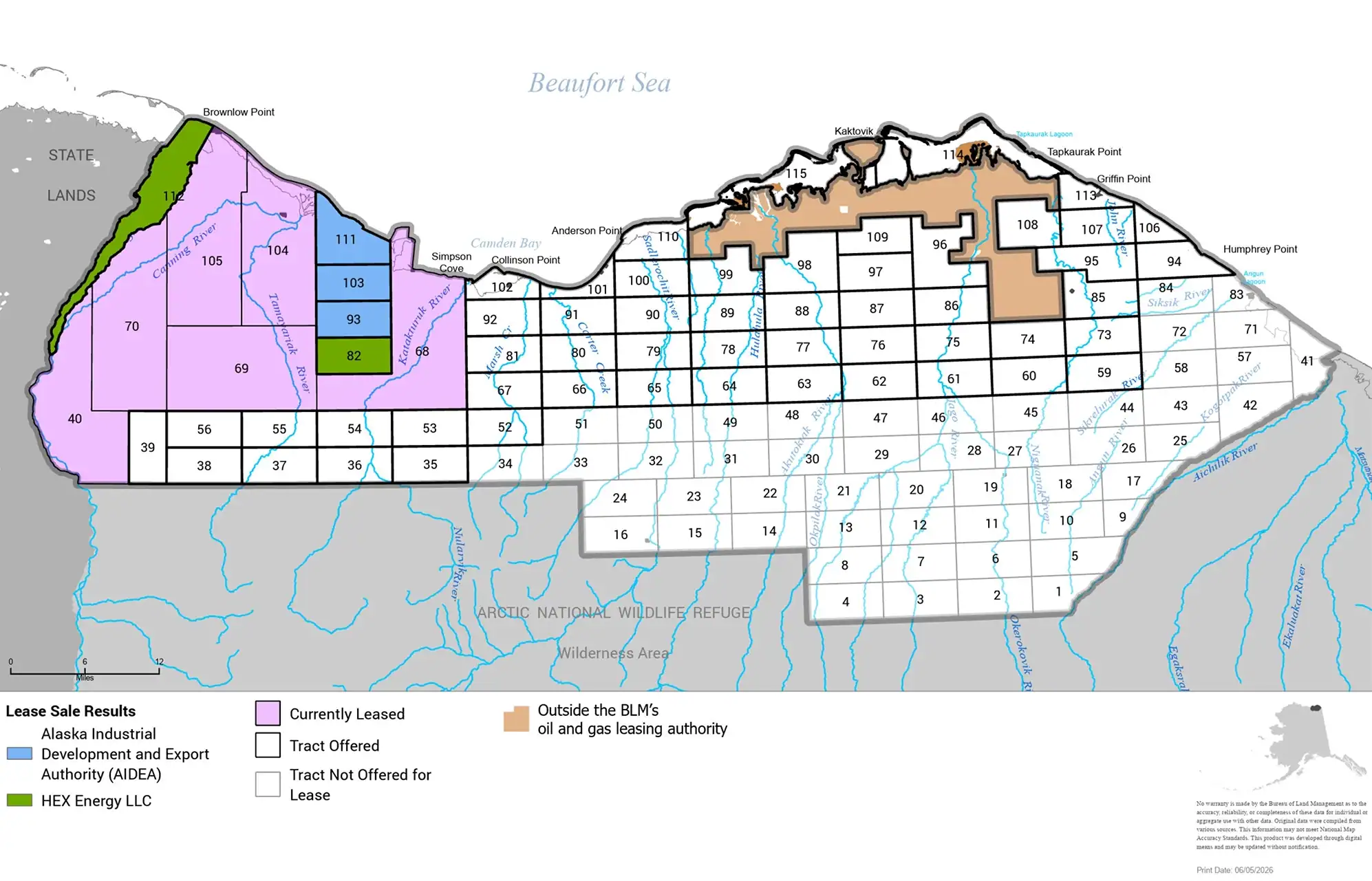
At the center of the case is a conservation area within the 23 million-acre reserve that the Bureau of Land Management set aside for special management because of its unique environmental values. Federal records say the protections around Teshekpuk Lake cover roughly 1 million acres, a landscape tied to the Teshekpuk Caribou Herd and to subsistence use across western Arctic Alaska. The BLM’s 2023 proposed rule said special-area protections across the reserve would cover 13 million acres, reflecting how much of the NPR-A remains contested between development and habitat protection.

For Nuiqsut, the closest community most often cited in these debates, the issue is local and immediate. In 2024, the BLM signed a right-of-way agreement with Nuiqsut Trilateral Inc., the partnership of the city government, tribal government and Kuukpik Corp., giving the community authority over about 1 million acres around Teshekpuk Lake for the duration of the Willow project unless local leaders waive the restrictions. That deal showed how closely drilling plans and subsistence concerns remain linked in a community where a shift in caribou movement can affect when families hunt and how they travel.

The appeal also lands in the middle of a broader federal push to reopen more of the western Arctic to oil and gas work. In December 2024, the Interior Department said the Willow project would give up about 68,000 acres of leases in the NPR-A, including about 60,000 acres in the Teshekpuk Lake Special Area. Interior later said in July 2025 that it had rescinded three policy documents that had tightened special-area management, and in January 2026 it was still reviewing public input on how to maximize protection of surface resources in the reserve.

At the same time, leasing has continued. In March 2026, 11 companies bought leases on 1.3 million acres in the western Arctic reserve, including tracts around Teshekpuk Lake. That is why the appeal matters now: it could help determine how much of the reserve stays open to future oil and gas activity, and how much remains effectively off-limits to protect the caribou, birds and subsistence landscape that define life in this part of the North Slope.
This article was produced by Prism’s automated news system from verified source data, official records, and press releases, then run through automated quality and moderation checks before publishing. The system is built and supervised by the people who set the standards it runs under. Read our full AI policy.
Did this article answer your question?