Federal Judge Orders Reopening of Grant Program for Alaska Typhoon Halong Recovery
A court-ordered FEMA comeback puts $1 billion in resilience grants back on the table for Alaska tribes — with a July 23 application deadline communities can't afford to miss.
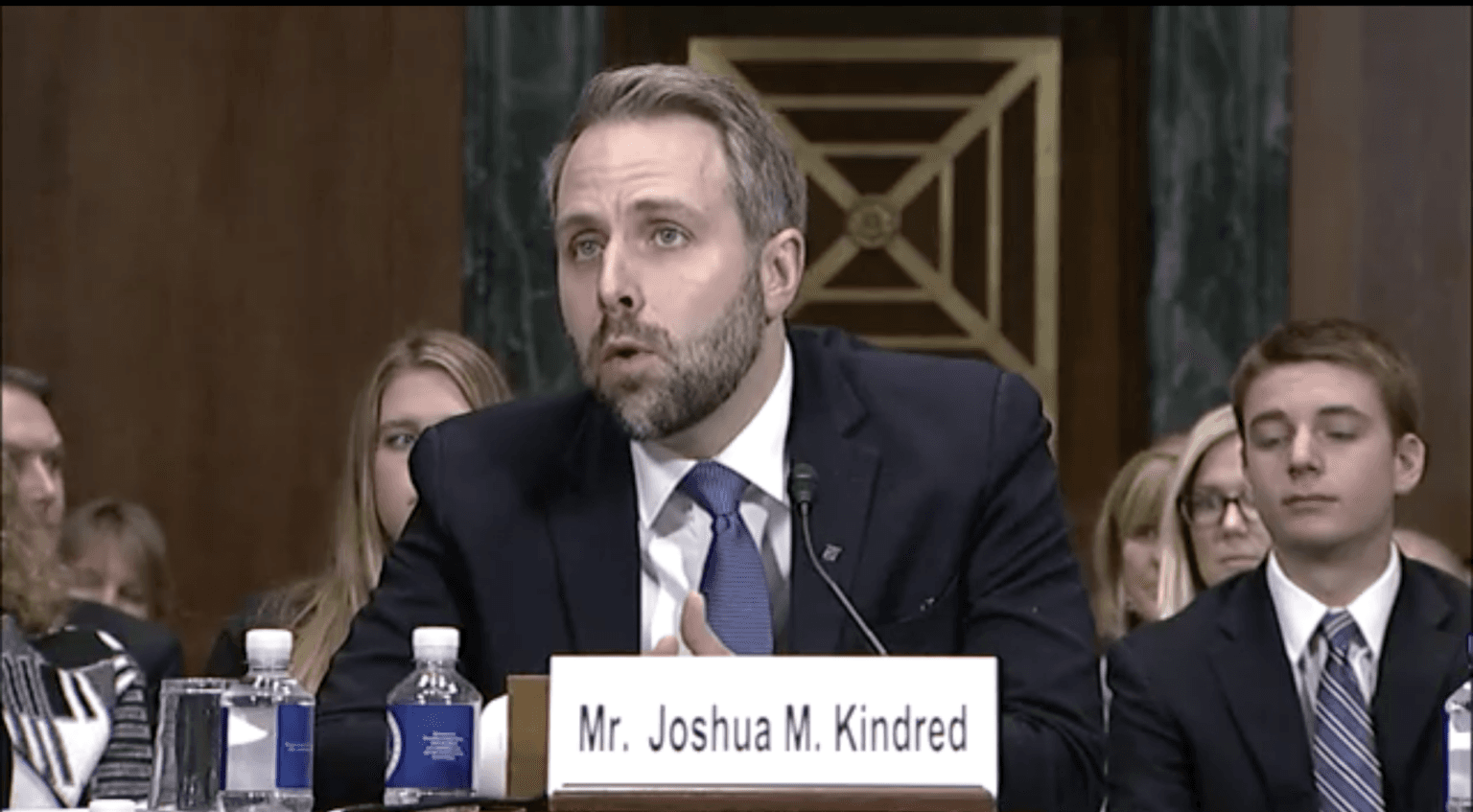
Dustin Evon, the tribal resilience coordinator for Kwigillingok, had already done the work: his Western Alaska village had participated in FEMA's flagship infrastructure grant program before it was abruptly canceled last spring. Then Typhoon Halong tore through in October 2025, killing three people and damaging nearly every building in the community. Now the program is back, forced open by a federal judge. Evon said it remains unclear just how useful it will actually be for Alaska villages.
That uncertainty hasn't stopped the clock. FEMA opened applications for the Building Resilient Infrastructure and Communities program, known as BRIC, on March 25, giving eligible governments and tribes 120 days to submit proposals. The deadline to submit applications is July 23, 2026, and eligible applicants and subapplicants must apply through FEMA Grants Outcomes, known as FEMA GO. FEMA will make $1 billion available for the program, which helps states, local governments, territories and tribes take on preparedness projects to harden against natural hazards like fires, floods, earthquakes and hurricanes.
The program's resurrection came through federal court. A federal judge in the U.S. District of Massachusetts ruled that the program's cancellation was unlawful and ordered the agency to reinstate the funding. A federal judge last December ruled that FEMA could not eliminate BRIC and ordered the agency to reverse course after a coalition of 22 Democratic-led states and the District of Columbia sued the Trump administration over the cancellation. U.S. District Judge Richard G. Stearns again ordered FEMA this month to take more steps toward restoring the program. FEMA complied on March 25. "When done correctly, mitigation activities save lives and reduce the cost of future disasters," said Karen S. Evans, FEMA's acting leader, in a statement announcing the resumption. The funding announcement came after FEMA under a previous acting leader, Cameron Hamilton, canceled the BRIC program last April, calling it "wasteful and ineffective."
The cancellation had already cost Alaska. The grant that was frozen would have funded an erosion barrier to protect the town of Kipnuk from the encroaching Kugkaktlik River. Kipnuk was among the communities hardest hit when Halong struck, and the $20 million erosion barrier it had secured during the Biden administration was gone before the storm arrived.
For North Slope Borough and its villages, the parallel is direct. Communities from Utqiagvik to Kaktovik and Point Hope sit on coastlines where permafrost thaw is accelerating land loss and where autumn storms increasingly arrive before sea ice can buffer shorelines. The window between summer's end and freeze-up, when communities are most exposed to surge and erosion, has grown. BRIC-funded projects, including seawalls, revetments, elevated roads, and drainage improvements, address precisely those vulnerabilities. Eligible applicants include states, territories, and federally recognized tribal governments, and each applicant must designate one agency to serve as the BRIC applicant. Applicants must have a FEMA-approved State or Tribal Hazard Mitigation Plan, and eligible states must have received a major disaster declaration under the Stafford Act within the seven years prior to the annual application period start date. Alaska's DR-4893-AK declaration, issued after Typhoon Halong, clears that bar.
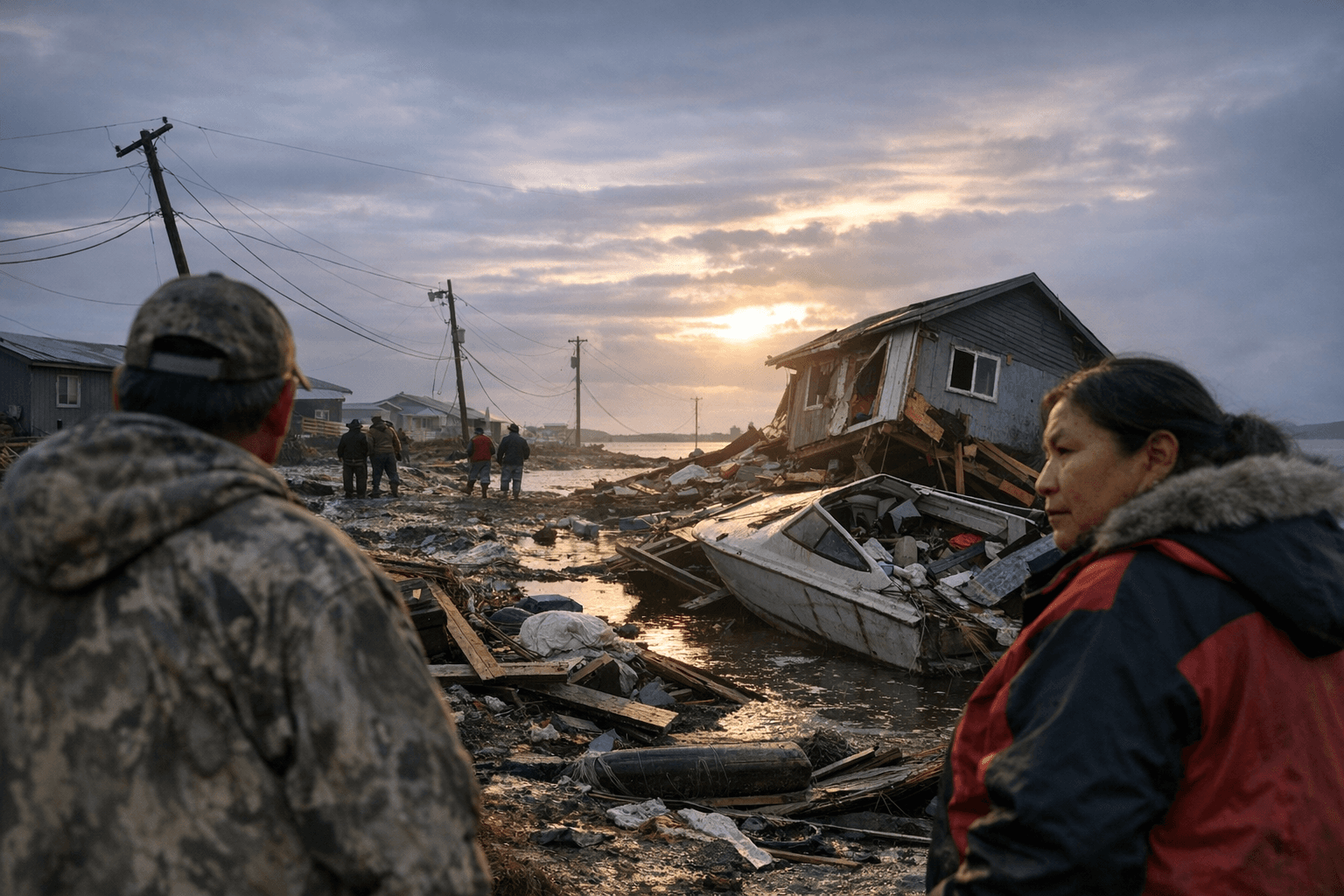
A personnel change at the top of the Department of Homeland Security may also work in Alaska's favor. Fisher said Alaska will benefit from the appointment of Markwayne Mullin to replace Noem as Secretary of Homeland Security. Mullin, who served three years as a U.S. senator representing Oklahoma, is an enrolled citizen of the Cherokee Nation.
For North Slope contractors and equipment suppliers, a funded BRIC cycle would represent tangible work in a narrow construction window. Infrastructure hardening projects require heavy equipment, specialized crews, and supply logistics flowing through Utqiagvik. With skilled labor and equipment already stretched during summer build season, successful grant applications could create sustained employment for local workers while reducing the storm damage costs that fall on the borough year after year.
North Slope Borough administrators and tribal governments need to verify their FEMA-approved hazard mitigation plans are current and move through the FEMA GO portal well before July 23. The $1 billion pool is competitive and distributed nationally; Alaska communities that submit complete, well-documented applications will be better positioned to claim a share.
Know something we missed? Have a correction or additional information?
Submit a Tip