Glenfarne CEO to Represent Alaska LNG at Major Houston Energy Summit
Glenfarne CEO Brendan Duval took Alaska LNG to the world stage at CERAWeek in Houston, telling Bloomberg News that Middle East instability is driving Asian buyers to fast-track North Slope gas deals.
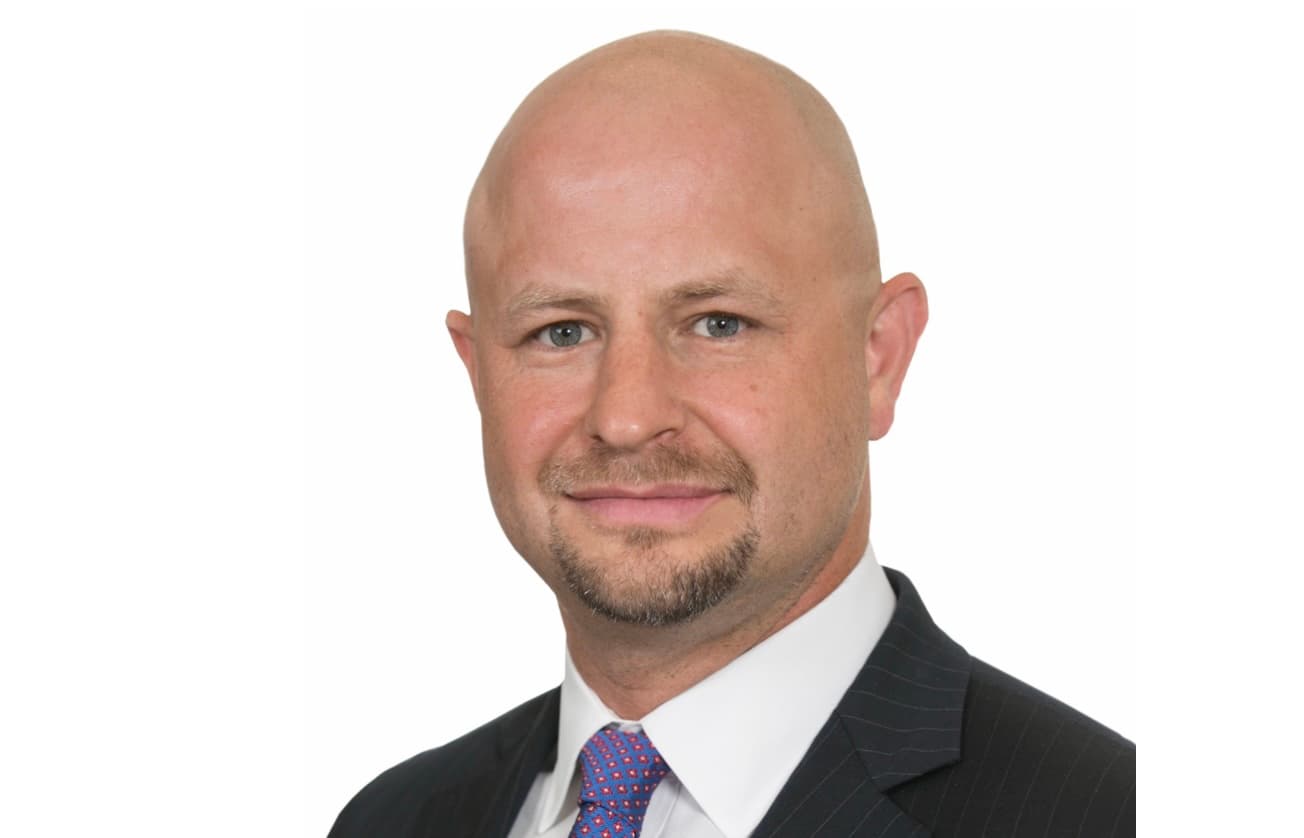
Brendan Duval, founder and chief executive of Glenfarne Group, brought Alaska LNG into one of the energy industry's biggest annual conversations last week, appearing as a featured speaker at CERAWeek 2026 in Houston on a panel titled "U.S. Gas: Meeting Global Demand." Duval was at CERAWeek for meetings to advance Glenfarne's Alaska LNG project and the company's Gulf Coast LNG project.
Energy Secretary Chris Wright called Alaska LNG "probably our single most important energy infrastructure project of this whole administration" during remarks at the same conference Tuesday, one day before Duval's panel appearance. The back-to-back attention underscored how thoroughly North Slope gas has moved from a long-discussed Alaskan aspiration into the center of the national energy conversation.
The backdrop gave Duval's appearance particular urgency. The Iran conflict highlights risks to supplies that transit through unstable regions, with the de facto Strait of Hormuz closure and attacks on Qatari LNG plants causing soaring prices in Asia and Europe. Duval made clear before the panel that those pressures were working in Alaska's favor. In a LinkedIn post ahead of his appearance, he wrote that "ongoing instability in the Middle East means LNG investors and buyers, particularly in Asia, are putting a premium on energy security and supply resilience." He had also spoken with Christina Ruffini and David Gura at Bloomberg News about the challenges global markets face and opportunities for Glenfarne's projects including Alaska LNG and Texas LNG.
The Middle East crisis accelerated Alaska LNG customers' interest in turning preliminary purchase plans into firm contracts and pricing deals, Duval said. Those customers are saying "Please, can we speed that up?" because they want to make sure Glenfarne does not change its mind and take its volumes to someone else, he told Axios.
Glenfarne owns 75% of Alaska LNG, and the State of Alaska, through the Alaska Gasline Development Corporation, owns 25%. The project consists of an 807-mile, 42-inch pipeline to deliver natural gas from Alaska's North Slope to meet Alaska's domestic needs and produce 20 MTPA of LNG for export from a terminal at Nikiski. Glenfarne is developing Alaska LNG in two financially independent phases; Phase One consists of a 739-mile, 42-inch pipeline constructed in four simultaneous sections to deliver natural gas from Alaska's North Slope to meet Alaska's domestic energy needs. Glenfarne is targeting mechanical completion of the pipeline in 2028 and delivery of first gas in 2029.

The project has accumulated significant commercial momentum in recent months. Since becoming Alaska LNG majority owner in March, Glenfarne has secured preliminary commercial commitments with leading LNG buyers in Japan, Korea, Taiwan, and Thailand for 11 MTPA of LNG, including the HOA with POSCO International Corporation and agreements with Tokyo Gas, JERA, CPC, and PTT. The POSCO agreement, announced as the first HOA for Alaska LNG, covers a 20-year offtake of 1 million tonnes per annum on a free-on-board basis, as well as initial terms for POSCO to supply a significant portion of the steel required for the pipeline.
Glenfarne hopes to finance the LNG portion of the project once it has 16 million tonnes, or 80% of the total capacity, under binding contracts, but is still seeking debt and equity investments for the LNG terminal and pipeline. Energy Secretary Wright said Tuesday that support from DOE's loan office, now called the Office of Energy Dominance Financing, is a possibility.
For North Slope Borough residents, the subtext of Duval's Houston appearance is straightforward: the gas that sits stranded beneath the borough's tundra is now the subject of panel discussions alongside the world's largest energy companies, with Asian buyers pressing for faster delivery and a U.S. energy secretary publicly endorsing the project. Whether those conversations translate into a signed final investment decision remains the central question Glenfarne has not yet fully answered.
Know something we missed? Have a correction or additional information?
Submit a Tip