Glenfarne open to gas price caps as Alaska LNG talks stall
Glenfarne says it could cap gas prices for Alaskans, but North Slope leaders still see a bigger test: whether the project can finance itself without shrinking borough revenue.
Glenfarne’s willingness to put a price ceiling on gas sold to Alaskans may ease one of the sharpest worries around the proposed Alaska LNG line, but it does not settle the question North Slope households care about most: whether the project will actually lower heating costs without draining the borough’s revenue base. The company’s offer came as lawmakers were still searching for a deal in the Alaska Legislature’s 30-day special session, and about half the window had already passed with the tax structure still unresolved.
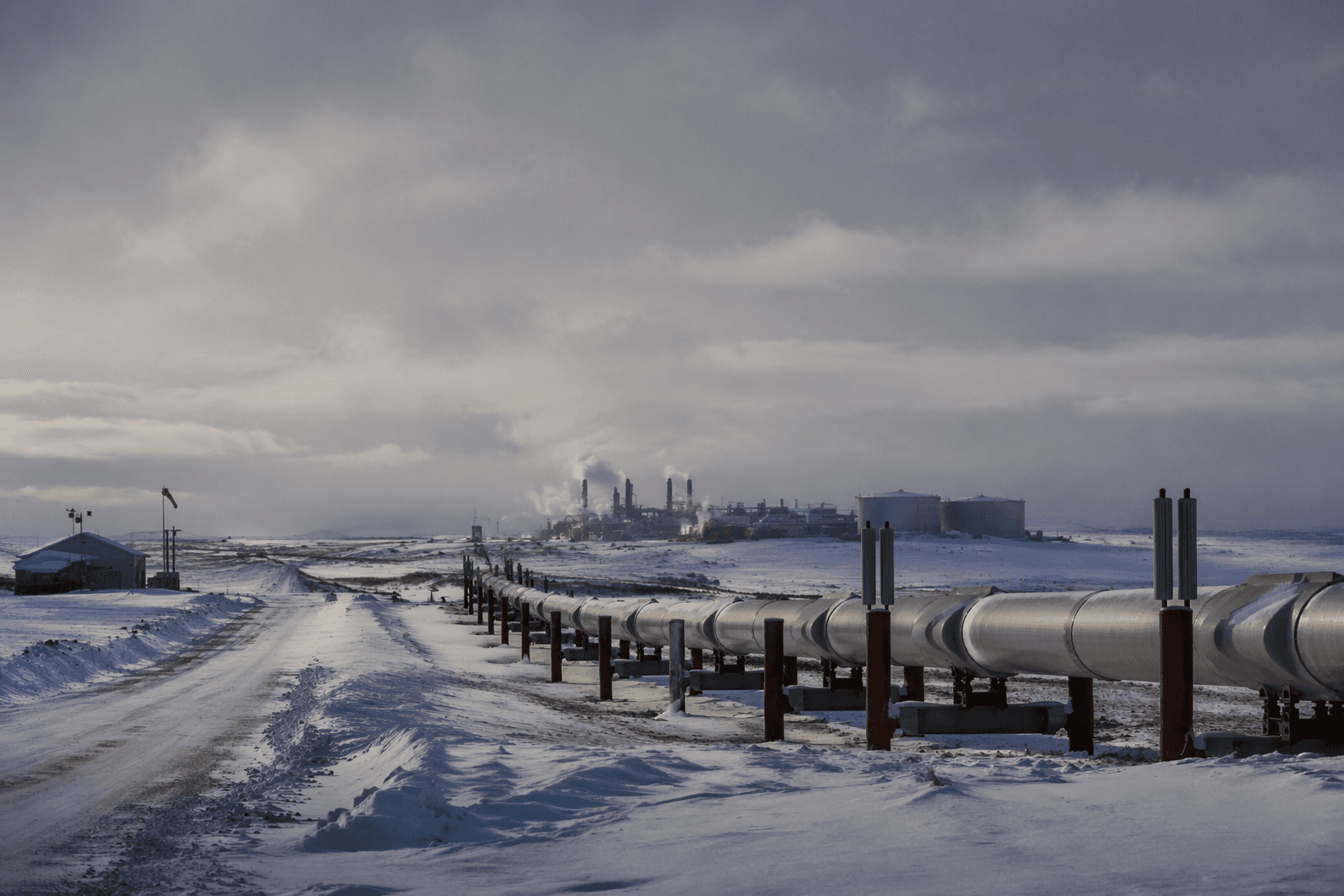
The latest sticking point is not the route itself. The project would move North Slope gas south through an 800-mile to 807-mile line toward Cook Inlet and Southcentral Alaska, with a gas treatment plant on the North Slope and an LNG export terminal on the Kenai Peninsula. What is unsettled is how to make the project financeable while protecting Alaskans from higher prices and shielding local governments from lost tax revenue. Glenfarne has argued that the project needs a lower-tax structure to move forward, while legislators have pressed for more detail and asked whether the numbers hold up.
That skepticism sharpened after Glenfarne released its first public cost estimate: $44.5 billion to $54.5 billion for the full project, with the pipeline phase alone at $13.2 billion to $16.9 billion. Those figures matter on the North Slope because any tax relief tied to the project could hit a borough that depends overwhelmingly on oil and gas property taxes. North Slope Borough financial documents say oil and gas property made up roughly 96% of total property tax revenue in fiscal 2026, with projected assessed property values of about $29.2 billion.
The borough’s own budget shows how much is at stake. Its fiscal 2025-2026 funding resources totaled $547,764,021, money that helps support core services, debt service, the North Slope Borough School District and Iisaġvik College. That is why any shift away from the current petroleum property tax is viewed locally as more than a technical adjustment. For Utqiaġvik, Prudhoe Bay and other North Slope communities, a change in the formula could alter the money that pays for schools, public safety and infrastructure.
Rep. Robyn Niayuq Frier, who represents the North Slope, has warned that the proposed switch could undercut borough finances and said Glenfarne’s cost estimates still look too low. The governor’s office has pushed an alternative volumetric tax of 6 cents per thousand cubic feet of throughput, rising 1% annually, and the White House has publicly backed Alaska’s volumetric LNG tax bills as a more predictable framework. Even with a gas-price cap on the table, the real test remains the same: whether state leaders can write a deal that makes the line bankable, keeps fuel affordable and does not weaken the North Slope’s tax base.
This article was produced by Prism’s automated news system from verified source data, official records, and press releases, then run through automated quality and moderation checks before publishing. The system is built and supervised by the people who set the standards it runs under. Read our full AI policy.
Know something we missed? Have a correction or additional information?
Submit a Tip