Global energy disruptions could raise fuel costs in rural Alaska communities
A Middle East fuel shock could hit the diesel that heats North Slope homes, powers village plants and fills store tanks, with rural electricity already 3 to 5 times urban rates.
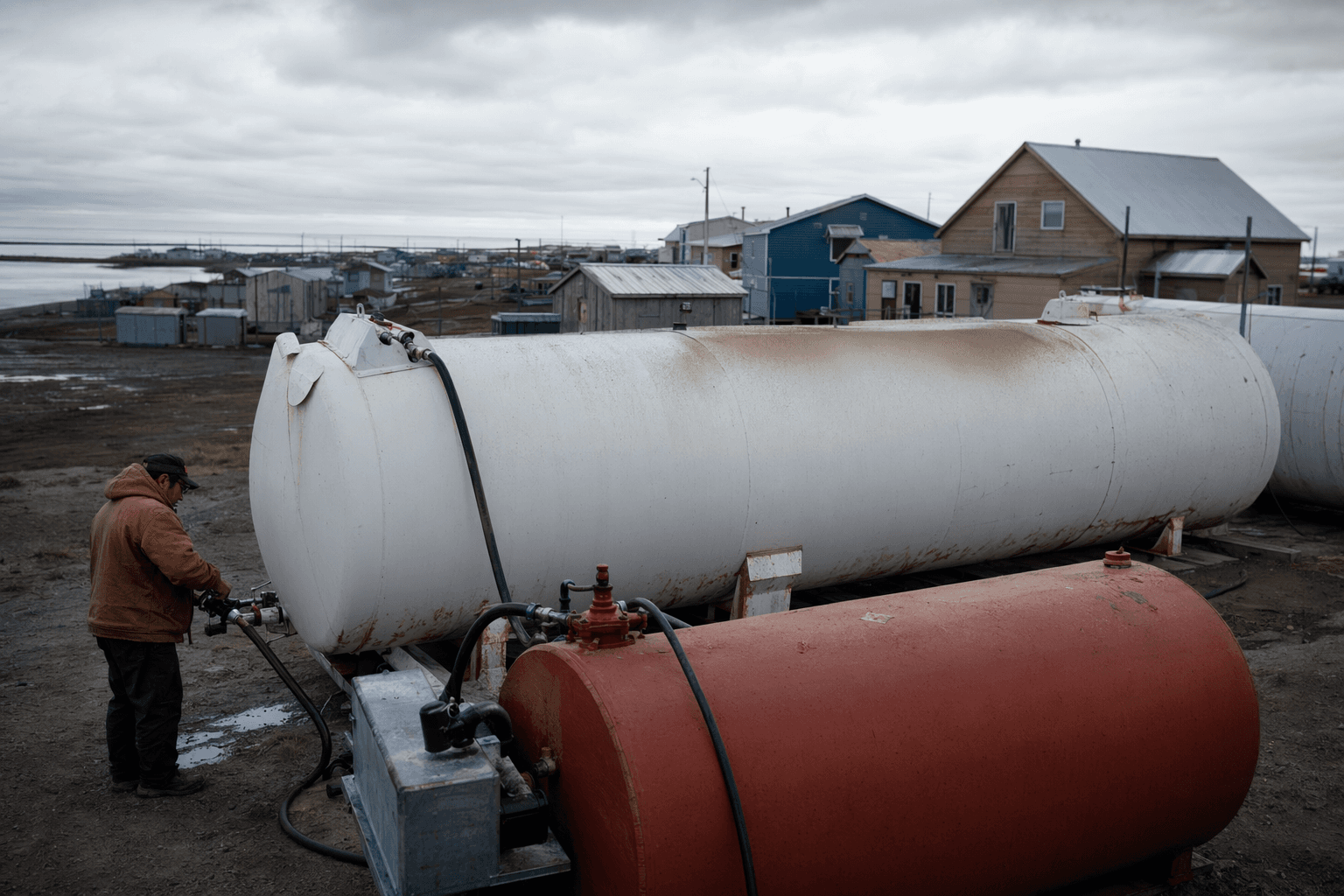
A global energy disruption could reach North Slope households long before it shows up on a world market chart, and the first pressure would likely be on the diesel, heating fuel and freight that keep village life running. On April 23, the Alaska House Energy Committee heard that rural Alaska still depends heavily on imported fuel for electricity and heat, even as some communities add wind generation.
That matters in a borough where every gallon has to arrive by barge, aircraft or winter logistics, not by road. The Alaska Energy Authority says rural electricity can cost three to five times more than power in Anchorage, Fairbanks and Juneau, and its Power Cost Equalization program, created in 1984, now serves 82,000 Alaskans in 193 communities. In its 2023 report, the agency said the program served more than 80,000 residents in 188 remote communities. For places such as Utqiagvik, Nuiqsut, Wainwright, Point Hope, Point Lay, Atqasuk, Anaktuvuk Pass and Kaktovik, any increase in fuel prices can quickly become a household budget problem.
Lawmakers were told that the issue is not just a foreign policy headline. When the Middle East situation tightens global supply, the effect can filter into the price, shipping and availability of the fuel rural Alaska communities actually burn every day. Presenters from the Alaska Municipal League, VITUS Energy, the Alaska Center for Energy and Power, Kotzebue Electric and the Division of Community and Regional Affairs discussed supply risks, community impacts and possible responses, including expanding the state’s bulk fuel revolving loan program, extending a Jones Act waiver and using demand-management measures.
The state bulk fuel revolving loan program exists because rural communities cannot treat fuel as a normal commodity. Administered by the Division of Community and Regional Affairs, it helps communities, utilities and fuel retailers buy bulk fuel for power generation and public use. In a place with no road system and limited storage, financing and freight timing can matter as much as the posted price.
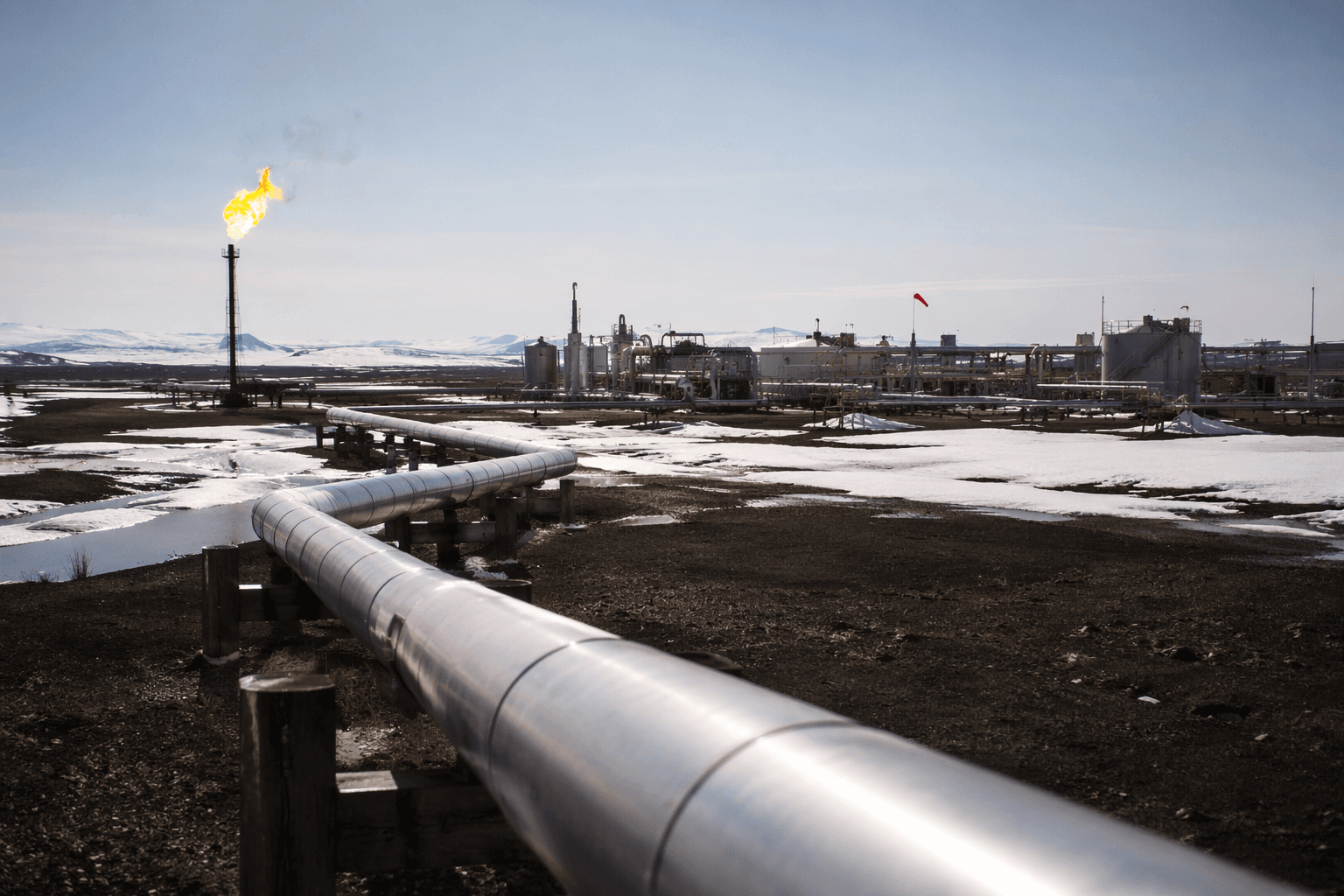
North Slope Borough has its own exposure. The borough’s Public Works department says its Power Generation & Distribution division operates, maintains and repairs electric power plants and distribution systems in all seven villages. Its Fuel & Natural Gas division handles fuel procurement and delivery, tank farm operations, spill prevention and response, and gas-field operations. That means any tightening in supply would hit not just residents, but the systems that keep schools heated, clinics powered and village utilities functioning.
The borough’s energy plan says its communities have historically relied on diesel-generated electricity or natural-gas-generated electricity, with heat usually coming from diesel-fired heating oil systems or natural gas. The state’s Alaska Fuel Price Report, which began in 2005 and has repeatedly surveyed 100 selected communities, gives a long-running benchmark for how quickly those costs can move. In rural Alaska, a supply shock is never abstract. It can show up first in the tank farm, then in the freight bill, and finally in the monthly utility and household budget.
This article was produced by Prism’s automated news system from verified source data, official records, and press releases, then run through automated quality and moderation checks before publishing. The system is built and supervised by the people who set the standards it runs under. Read our full AI policy.
Did this article answer your question?