BSEE visits North Slope oil sites to review Arctic offshore safety
Federal offshore regulators walked Northstar and Endicott, sharpening scrutiny of Liberty Unit plans as Arctic spill risk and tribal consultation stayed central.
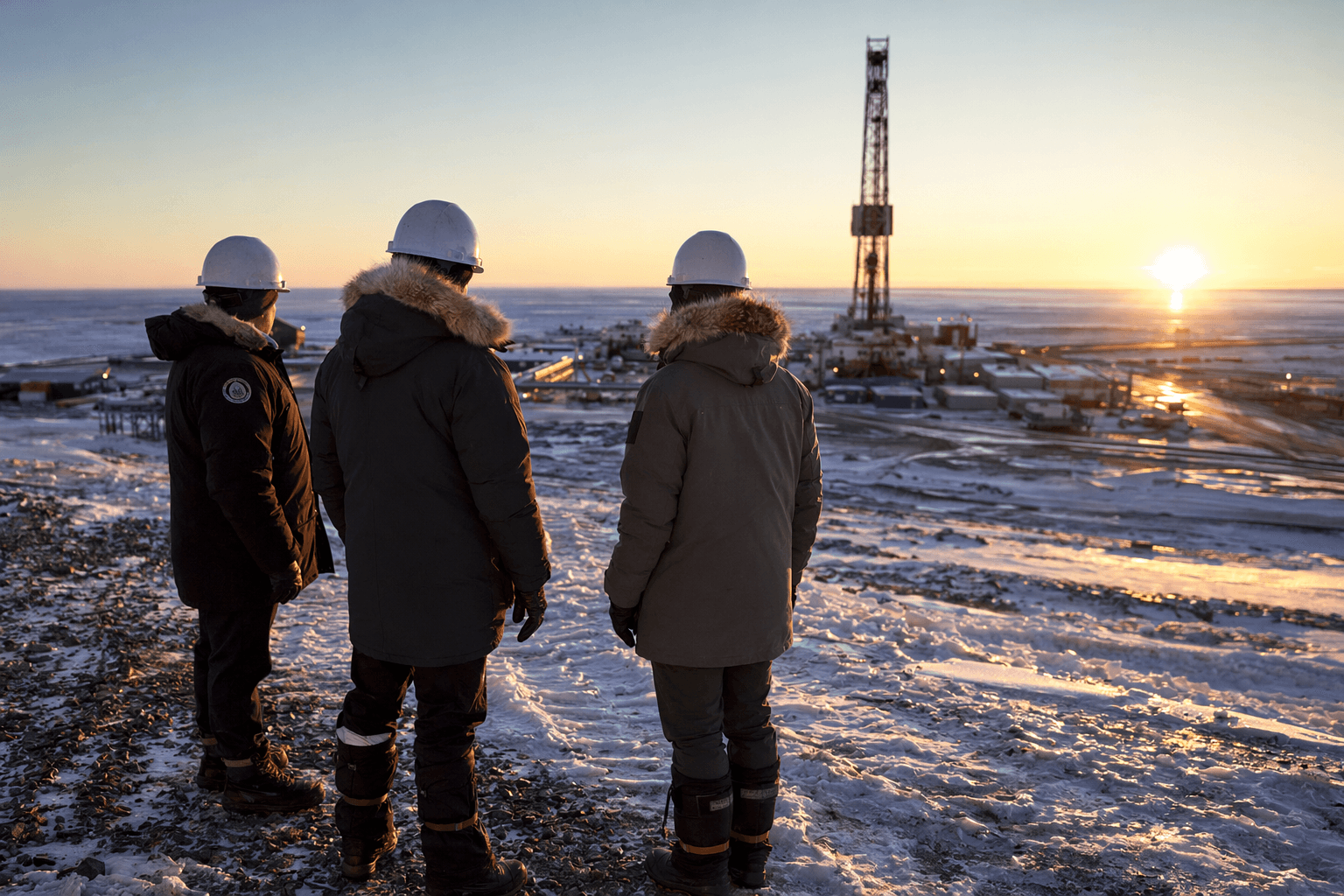
Federal offshore regulators walked Hilcorp Alaska’s Northstar and Endicott sites last week, putting Arctic drilling safety, spill response and the pace of future offshore work back under a brighter spotlight as Liberty Unit plans move forward. At Northstar, the Bureau of Safety and Environmental Enforcement reviewed well operations, safety systems and the logistical limits that come with working six miles offshore in ice country.
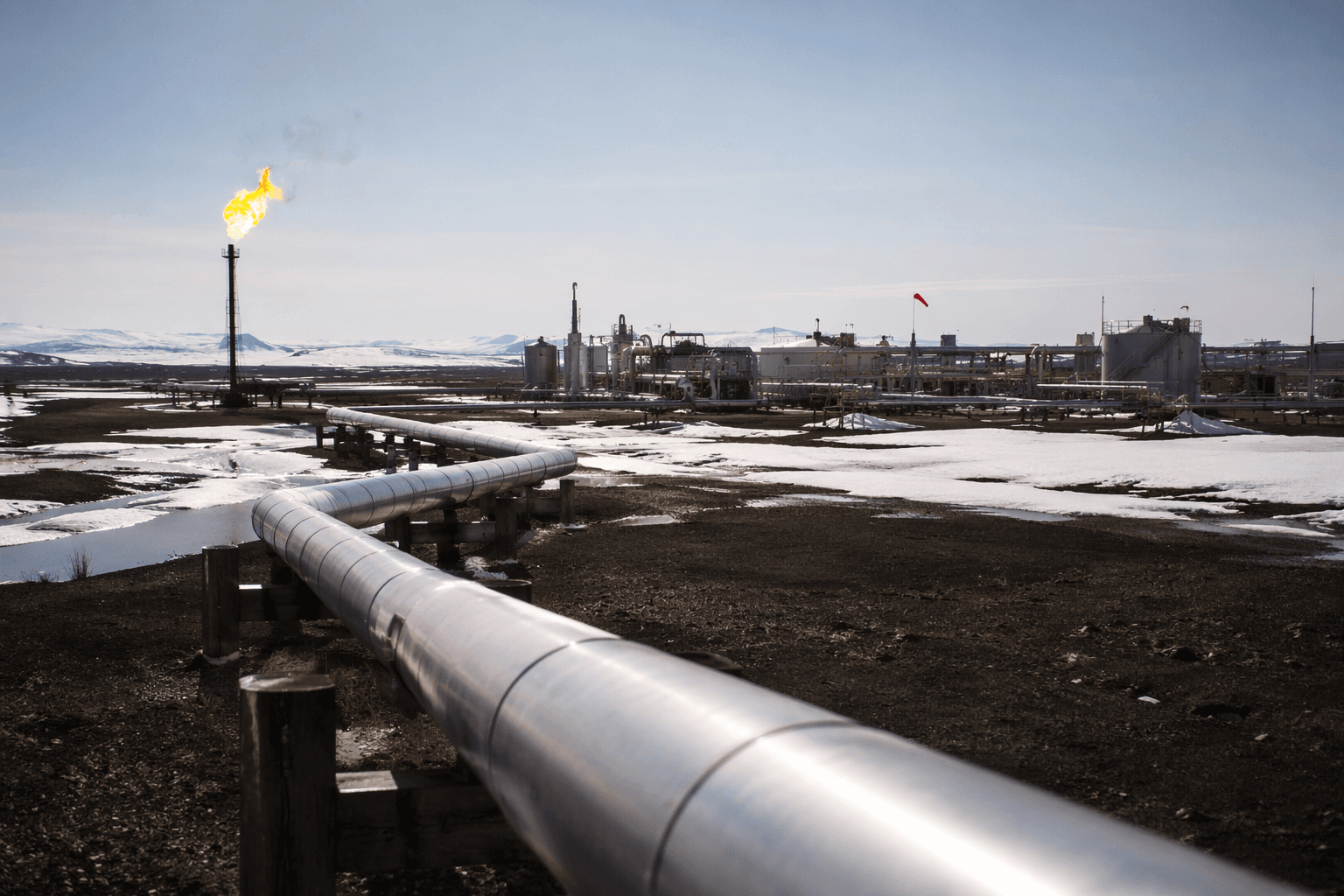
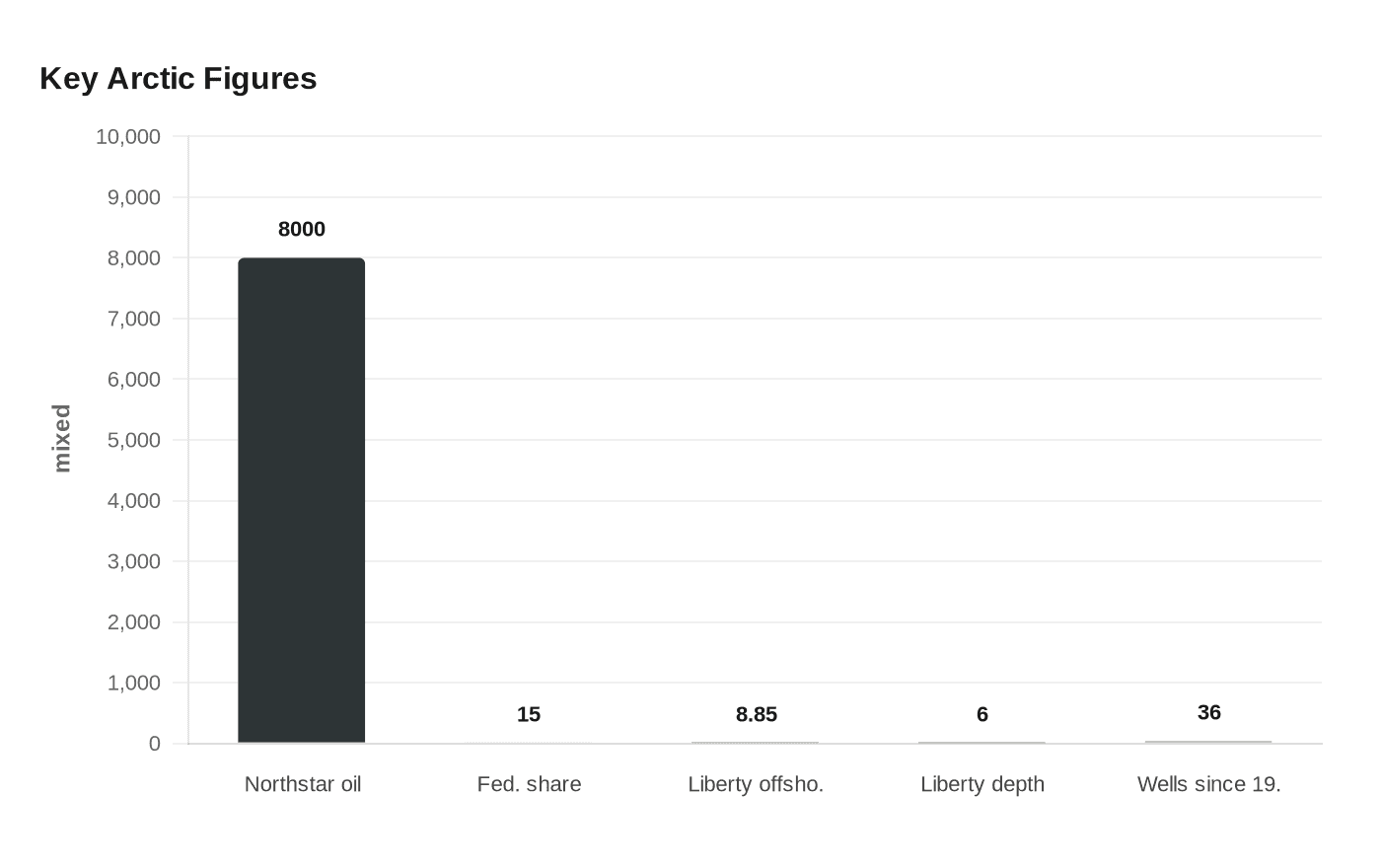
Northstar is one of the clearest examples of what Arctic production demands. Production began there in November 2001 on a five-acre man-made island about 12 miles northwest of Prudhoe Bay. The field now produces about 8,000 barrels of oil a day. The federal share ranges from 15 to nearly 18 percent across three participating areas under the joint State-Federal Northstar Unit Agreement, and oil is processed on site before sales-grade crude moves onshore through a pipeline buried 7 to 11 feet below the seafloor to avoid ice impacts.
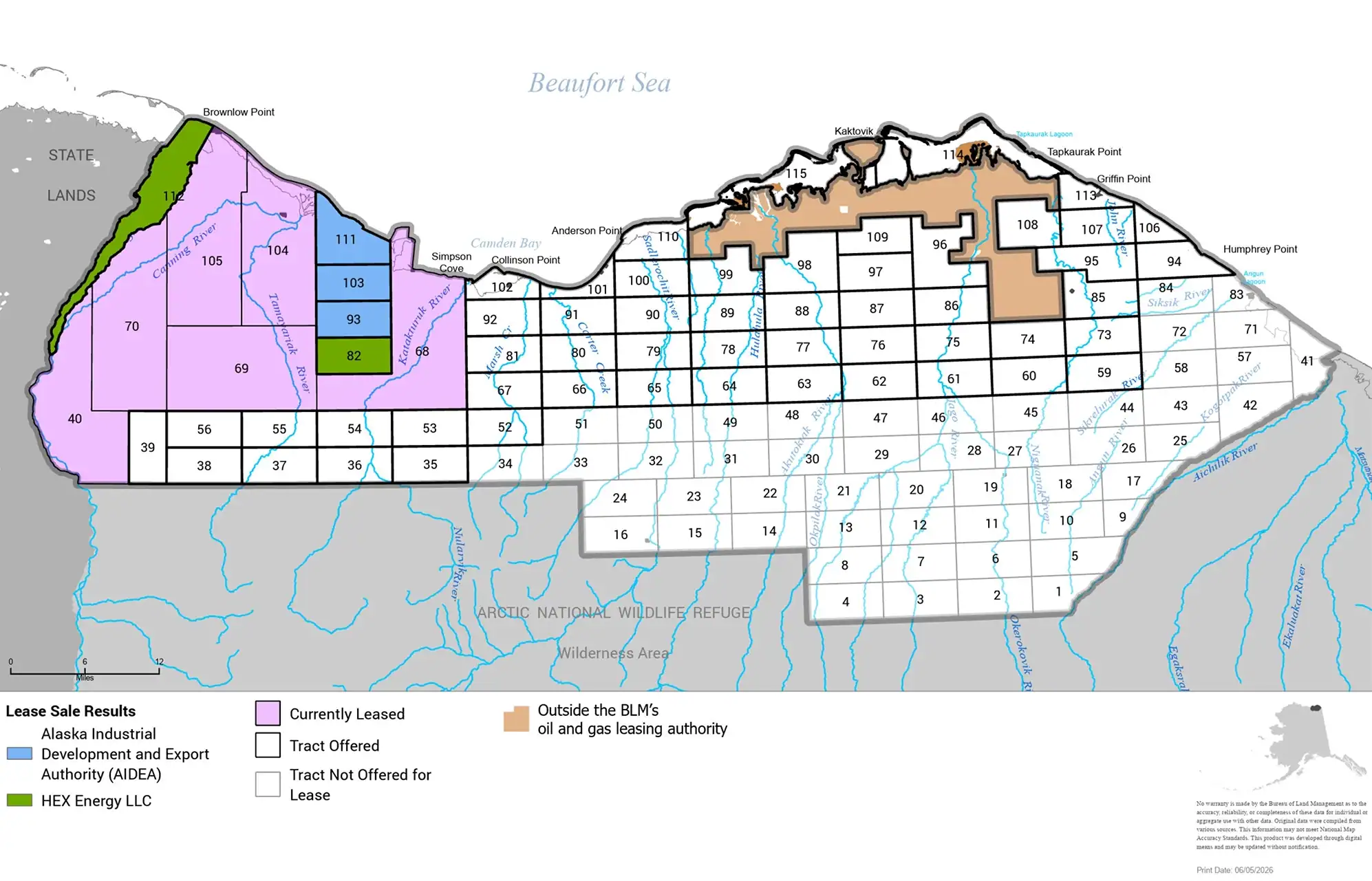
BSEE also toured Endicott, where staff observed active drilling and reviewed proposed development concepts tied to the Liberty Unit. That prospect sits about 8.85 kilometers offshore in about 6 meters of water, roughly 32 kilometers east of Prudhoe Bay and 13 kilometers east of Endicott. Hilcorp acquired primary ownership and operatorship of Liberty in November 2014, and the project has already drawn legal pressure: in February, the Center for Biological Diversity and Sovereign Iñupiat for a Living Arctic said they intended to sue over federal lease extensions tied to the unit.
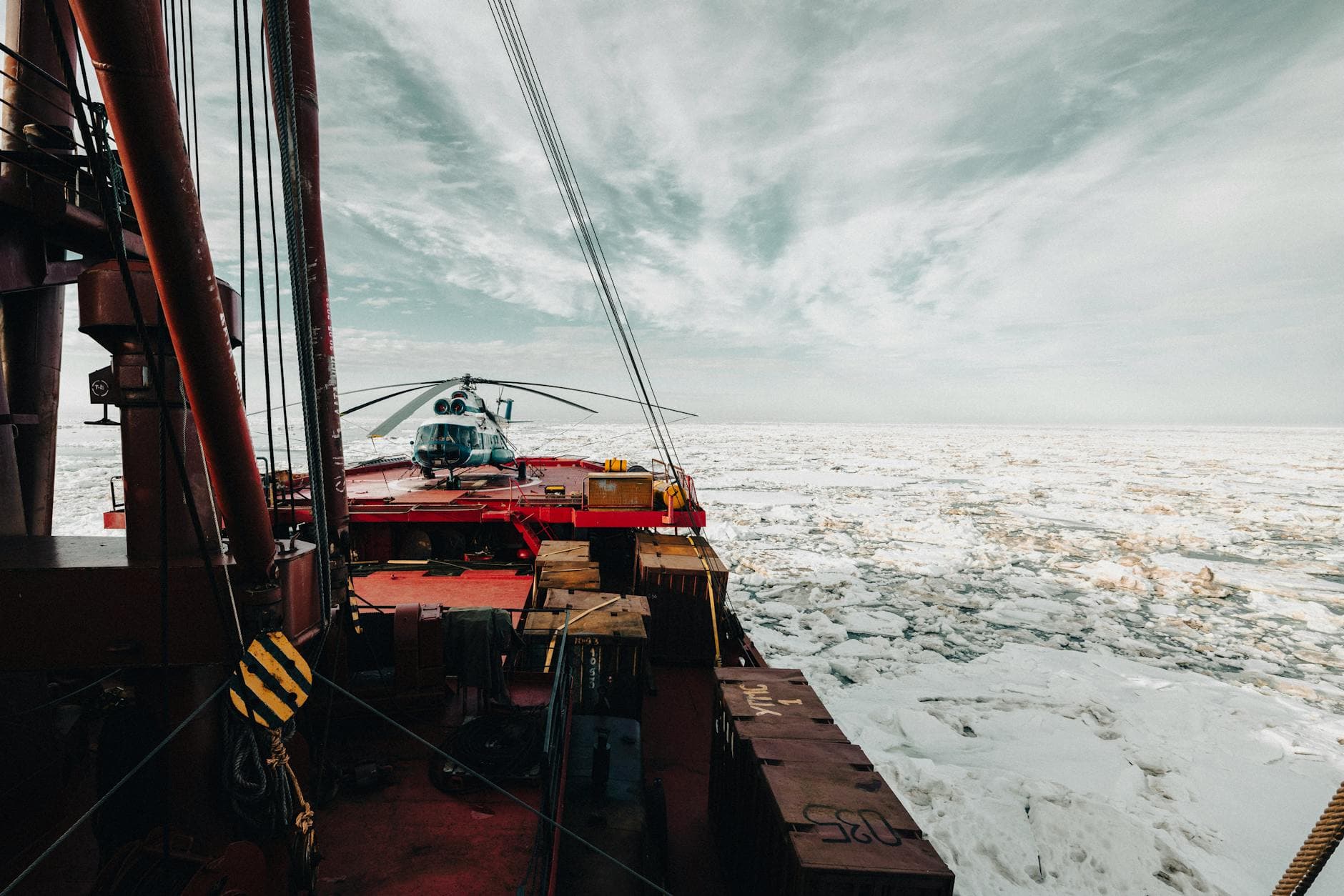
The agency’s Alaska Region oversees more than one billion acres on the Outer Continental Shelf and more than 6,000 miles of coastline, but the North Slope stop showed how much of that authority depends on seeing facilities up close. Since 1980, just 36 wells have been drilled in federal waters of the Beaufort Sea offshore Alaska, a small number that reflects how technically demanding Arctic offshore development remains. BSEE’s own spill-response research has focused on spills on snow and solid ice, where wind, currents and frozen surfaces make containment and cleanup far harder. Any response in the region also runs through the North Slope Subarea Contingency Plan, the coordinated federal, state and local system for spills or hazardous releases.
The visit also reached beyond industry. In Anchorage, BSEE met with oil spill removal organizations, academic partners and Alaska Native stakeholders, including the Alaska Native Science & Engineering Program, as part of a broader workforce and consultation effort. That matters on the North Slope because BSEE says offshore actions can have tribal implications, and its Tribal Liaison Office is the bureau’s main point of contact with Tribes and ANCSA corporations. For borough communities, the message is clear: any expansion of Arctic offshore activity will face close scrutiny on safety, spill readiness and local coordination before it moves farther ahead.
This article was produced by Prism’s automated news system from verified source data, official records, and press releases, then run through automated quality and moderation checks before publishing. The system is built and supervised by the people who set the standards it runs under. Read our full AI policy.
Did this article answer your question?