Polar LNG proposes $9 billion nearshore project to speed North Slope gas development
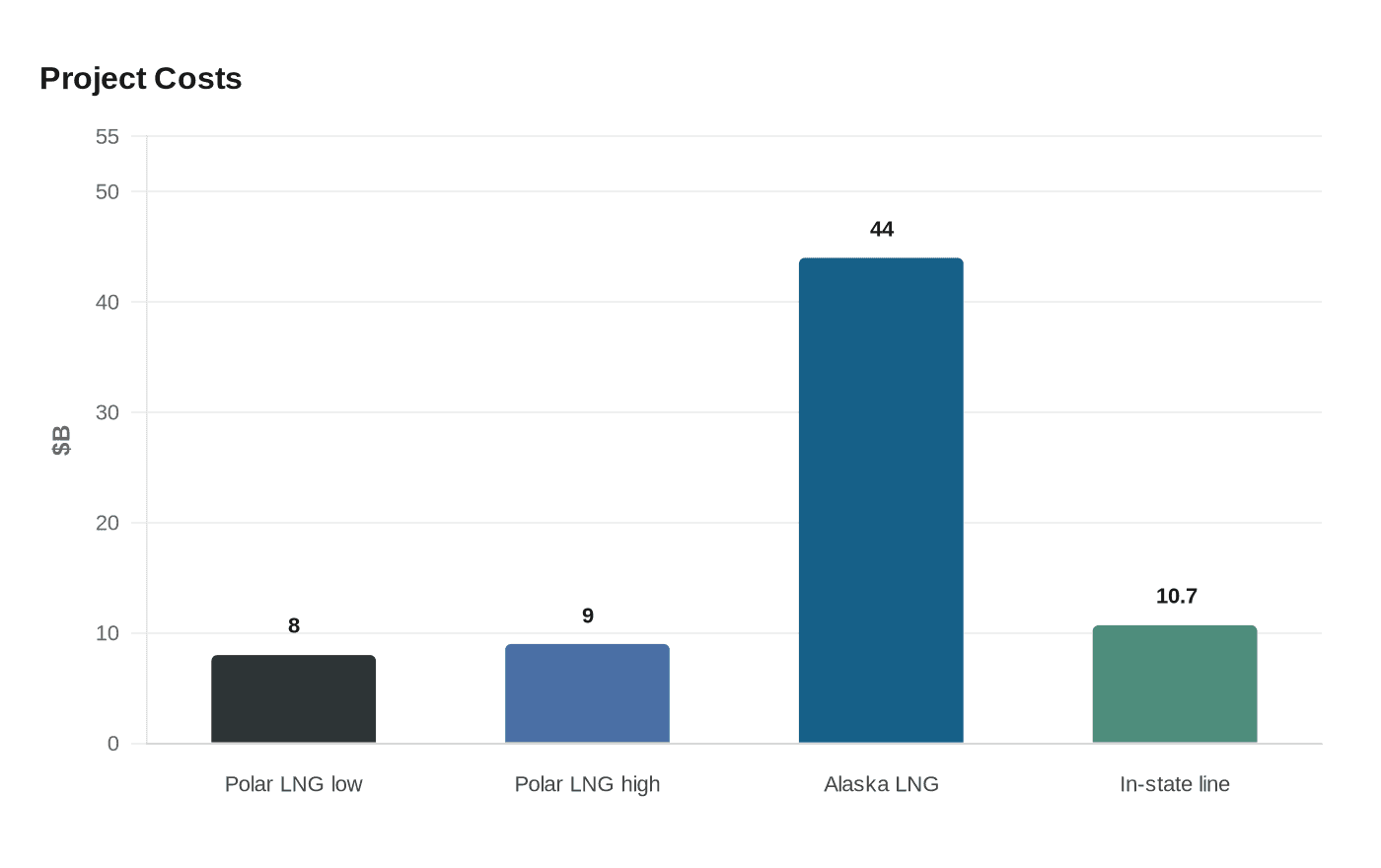
Polar LNG put an $8 billion to $9 billion nearshore LNG plan on Prudhoe Bay, targeting first cargoes by 2029-30 and North Slope tax and job gains.
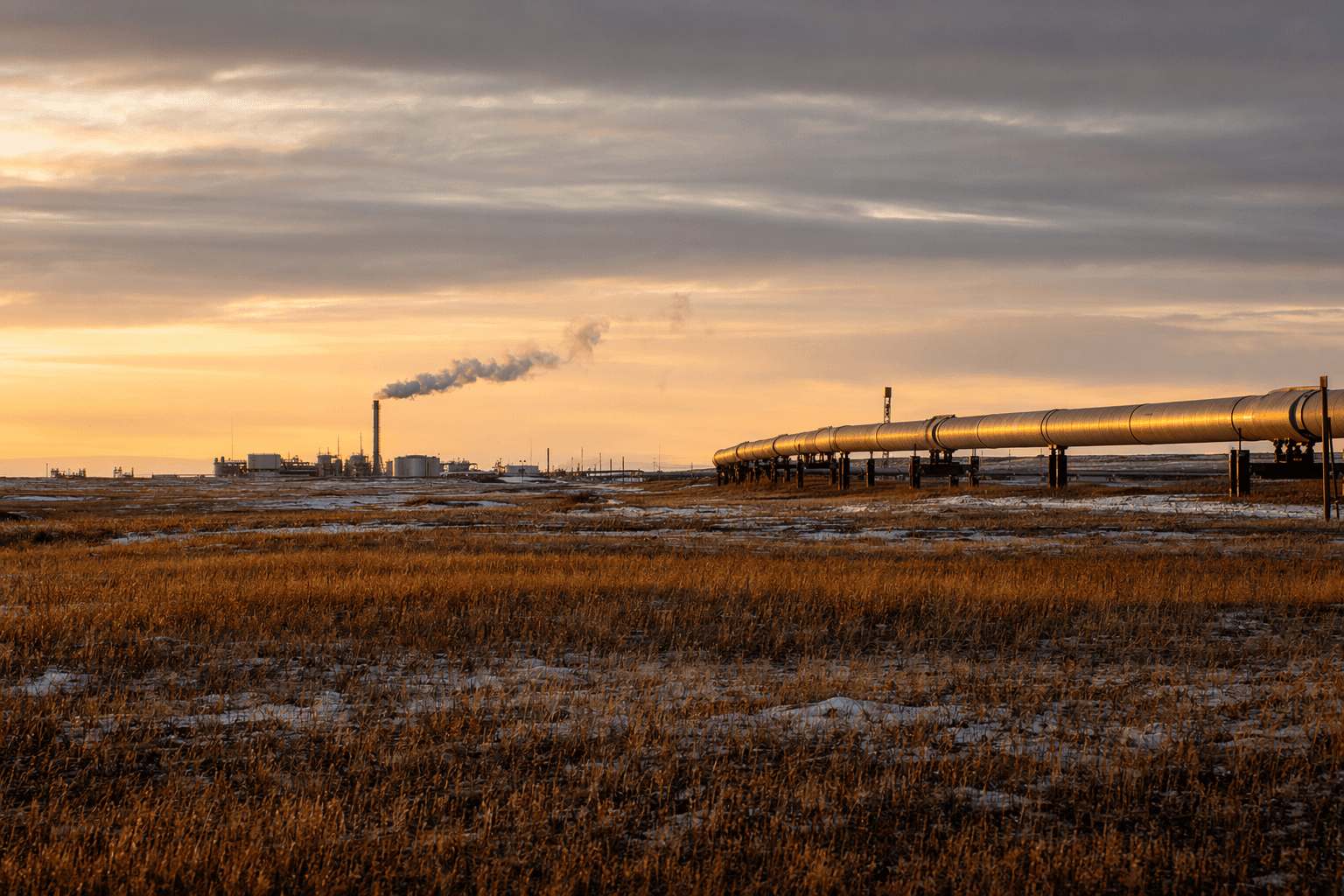
Polar LNG entered Alaska’s long-running gas fight with an $8 billion to $9 billion proposal that it says could move faster than the state’s stalled mega-project vision. The company is pitching a modular, nearshore gravity-based LNG facility at Prudhoe Bay with about 7 million tons a year of capacity, first LNG targeted for 2029 to 2030.
The plan centers on using existing Prudhoe Bay infrastructure, sending gas through a short pipeline to a nearshore liquefaction site, then loading LNG onto ice-class carriers for year-round export. Polar LNG says that design would cut land disturbance and lower costs compared with a long overland buildout. Joel Riddle, named president and chief executive when the company launched on March 30, said the North Slope holds one of the world’s most significant undeveloped natural gas resources.
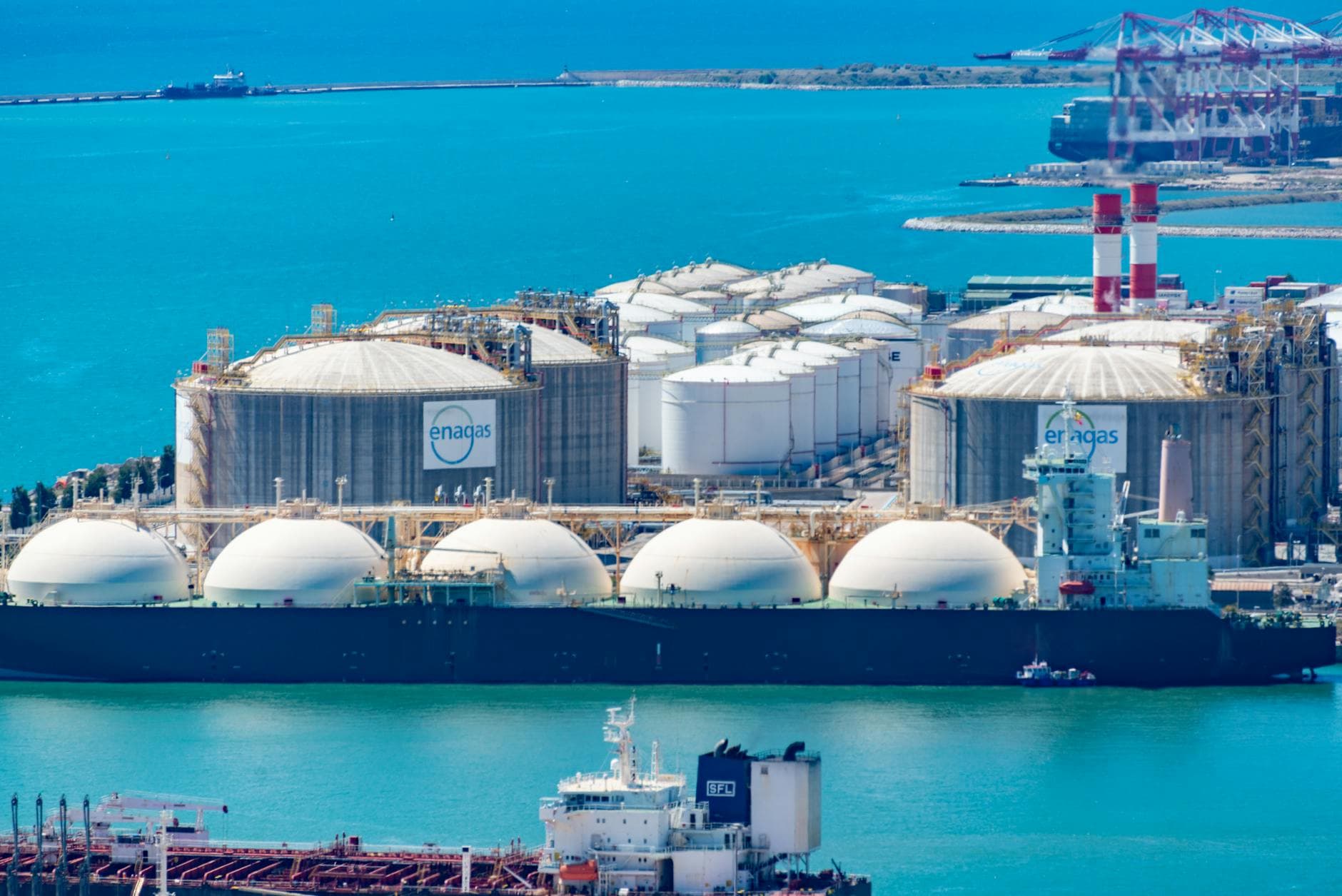
For North Slope Borough officials and local contractors, the pitch is about more than exports. Polar LNG says the project could generate property tax revenue for the borough, create local jobs, and provide support for remote communities, emergency response, and environmental monitoring in the Beaufort Sea. It is also being sold as a way to strengthen the United States’ Arctic presence and keep Alaska gas in the global market instead of leaving that space to geopolitical rivals.
The project lands as Alaska’s broader gasline debate remains unresolved. The Alaska Gasline Development Corp. has been pursuing a much larger state-backed Alaska LNG project, estimated at about $44 billion, with an 800-mile line from the North Slope to Southcentral Alaska and a liquefaction terminal in Nikiski. In 2024, AGDC said it was exploring a phased approach that could move gas to Southcentral first, and lawmakers have kept pressing for progress after years of delays and no final investment decision. AGDC also has said an in-state pipeline phase could cost about $10.7 billion.
Prudhoe Bay gives the new proposal both its logic and its symbolism. Discovered in March 1968, the field became the largest oil field in North America and remains the anchor of Alaska’s North Slope hydrocarbon system. Polar LNG is betting that the same infrastructure and geography that powered Prudhoe Bay’s oil era can now give stranded gas a faster path to market, with Japan only about 3,600 miles away by LNG tanker, far shorter than shipments from the U.S. Gulf Coast.
This article was produced by Prism’s automated news system from verified source data, official records, and press releases, then run through automated quality and moderation checks before publishing. The system is built and supervised by the people who set the standards it runs under. Read our full AI policy.
Did this article answer your question?