Lawmakers weigh Alaska LNG tax breaks amid mixed signals
Alaska LNG’s tax debate has shifted beyond simple tax cuts, as lawmakers weighed whether the project still needed buyers, financing or upstream commitments before North Slope revenue would follow.

Alaska lawmakers were being pushed to do more than cut taxes for Alaska LNG, even as the 800-mile North Slope-to-Southcentral project still lacked a final construction decision. The real test was whether tax relief would unlock buyers, financing, cost certainty and upstream gas commitments, or simply give away revenue before Glenfarne and the state had fully de-risked a $46 billion project.
Gov. Mike Dunleavy sent SB 280 and HB 381 to the Legislature on March 20, pitching the bill as a way to replace Alaska LNG’s existing 20-mill annual property tax, equal to 2% of assessed infrastructure value, with a volumetric tax tied to gas throughput. Under his plan, the project would be exempt from state and municipal property taxes during construction through first gas, then would remain in abeyance during ramp-up until it reached 1 billion cubic feet per day averaged over 30 consecutive days, or 10 years, whichever came first. After that, the proposal set a full-operations tax of $0.06 per thousand cubic feet, rising 1% a year.
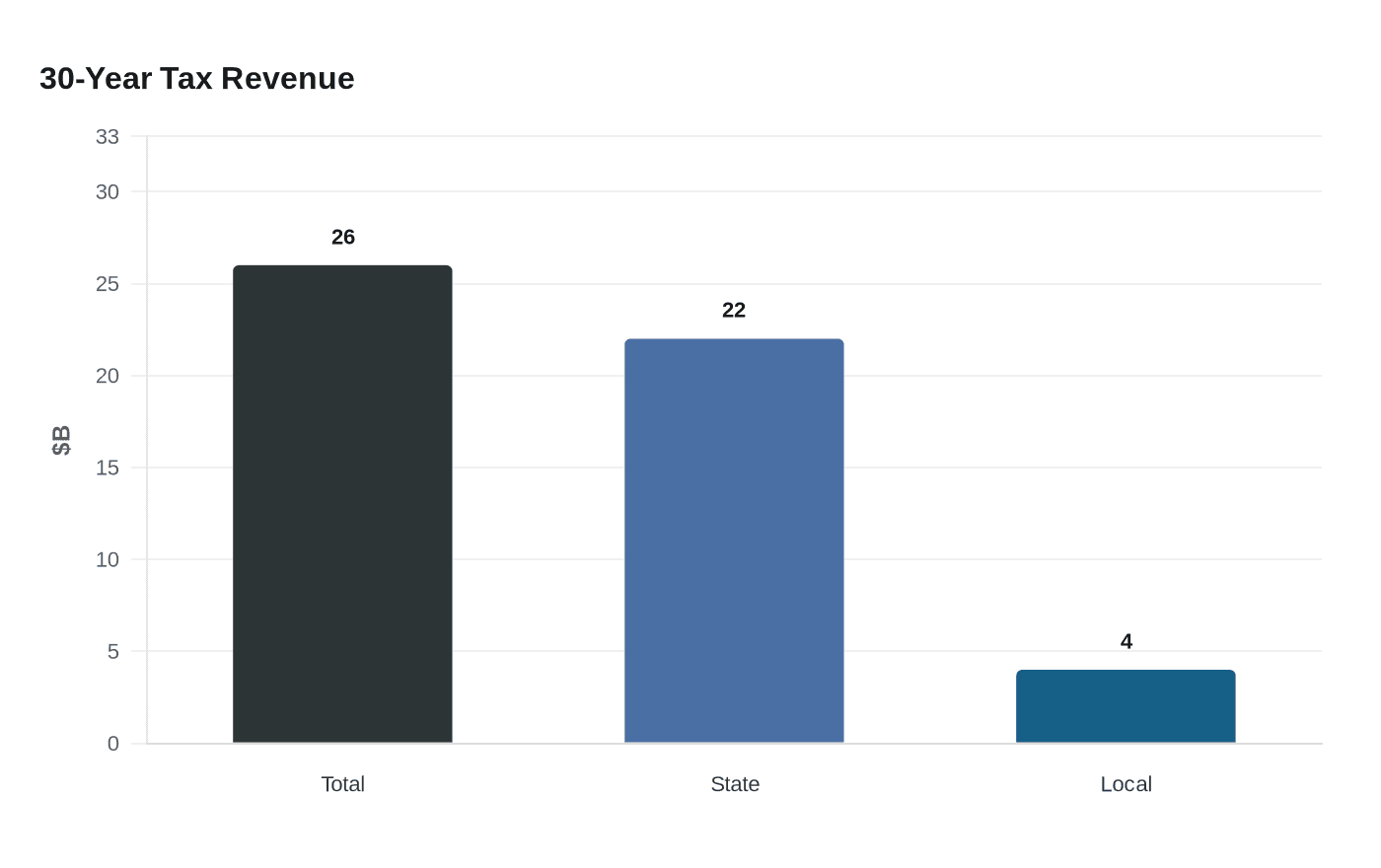
The administration said the Alaska Department of Revenue estimated the change could produce more than $26 billion in tax and royalty revenue over 30 years, including more than $22 billion for the state and nearly $4 billion for local governments. But the bill also made clear how much remains unresolved: if commercial operations had not started by January 1, 2040, the alternative structure would end and the standard property tax would return. HB 381 moved quickly, with House Resources hearings scheduled for April 24, April 27, April 29 and May 1.
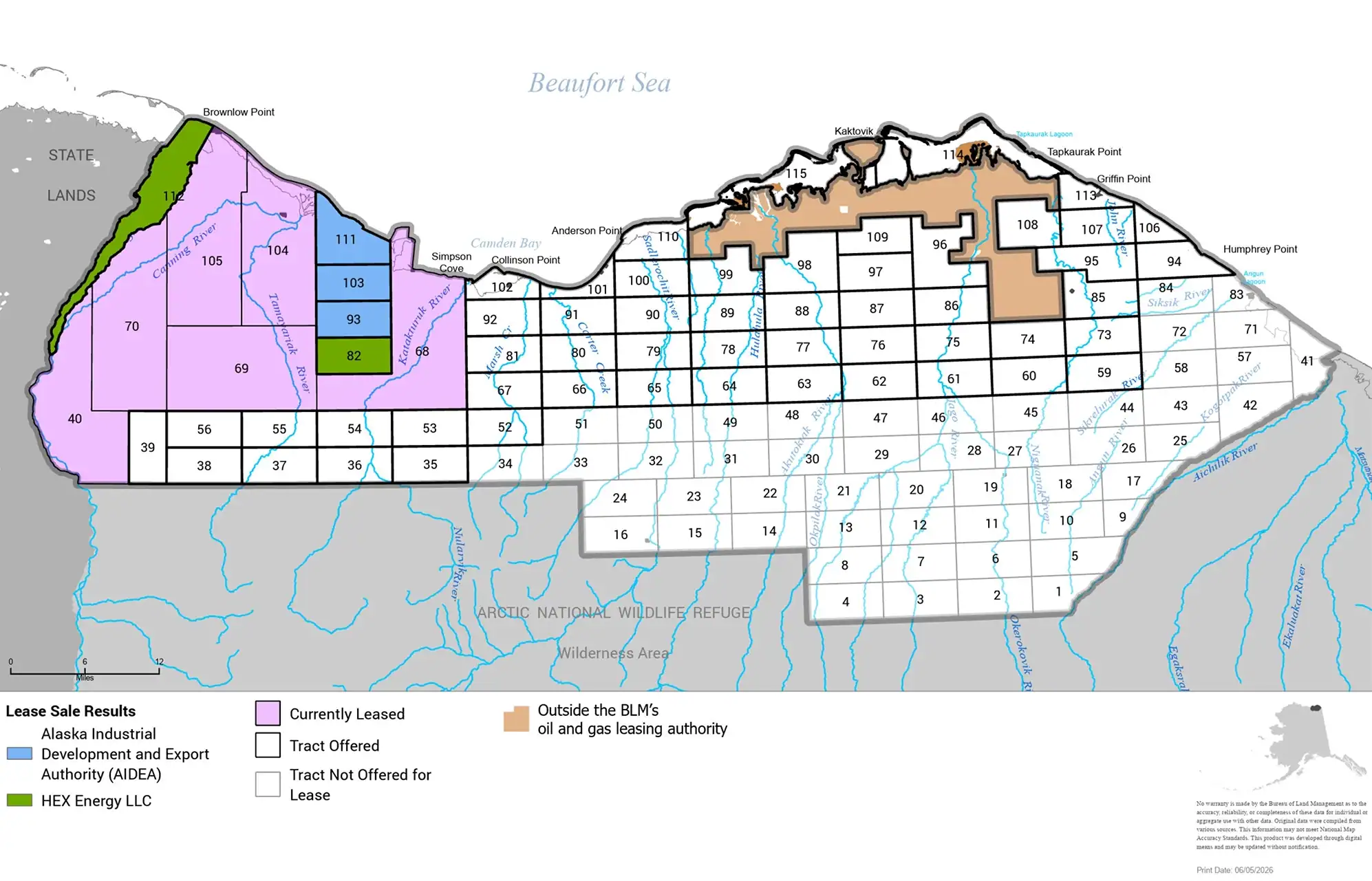
For North Slope Borough, the stakes extend beyond Juneau’s tax fight. The borough covers about 94,000 square miles north of the Arctic Circle, includes roughly 10,000 permanent residents in eight villages and about 4,000 people who live there at least half the year to work in places like Prudhoe Bay and Kuparuk. Incorporated in 1972 and governed under a Home Rule Charter adopted in 1974, the borough relies on oil and gas property rules, including the state tax-cap formula in AS 29.45.080, to shape its budget outlook.
That is why the competing prescriptions matter. A draft state allocation formula for Alaska LNG contemplated sharing revenues by the share of infrastructure in each municipality and possibly by a statewide per-capita formula. The project’s footprint also stretches well beyond the North Slope, with two right-of-way pipelines totaling about 807 miles and 479 miles on state lands, plus conditional ROW leases issued in 2021. If the project advances, North Slope communities could gain work, infrastructure and a future tax base. If the tax terms are too rich and the project stalls again, the borough gets delay without the payoff.
This article was produced by Prism’s automated news system from verified source data, official records, and press releases, then run through automated quality and moderation checks before publishing. The system is built and supervised by the people who set the standards it runs under. Read our full AI policy.
Did this article answer your question?