Glenfarne reaffirms Alaska LNG ties with PTT, project still not finalized
Glenfarne’s Japan ceremony with PTT kept Alaska LNG alive, but the Thai deal is still non-binding and construction remains far off. The project still lacks final financing and binding buyers.
Glenfarne’s latest appearance with Thailand’s PTT kept Alaska LNG in the conversation, but it did not move the project to a construction decision. The April 27 ceremony in Japan reaffirmed a relationship that already existed on paper, while the hard parts of the deal, final financing, binding gas sales and a final investment decision, remain unresolved.
PTT, Thailand’s state-linked energy giant, had already signed a cooperation agreement on June 23, 2025 for strategic participation in Alaska LNG and potential purchases of 2 million tonnes of LNG a year for 20 years. Glenfarne said that signing was witnessed by Thailand’s Permanent Secretary of Energy, Dr. Prasert Sinsukprasert, and U.S. Ambassador to Thailand Robert Godec. The company also said then that it had reserved 50% of its available third-party LNG offtake capacity for investment-grade counterparties. The Japan event did not replace that arrangement with a binding purchase contract.
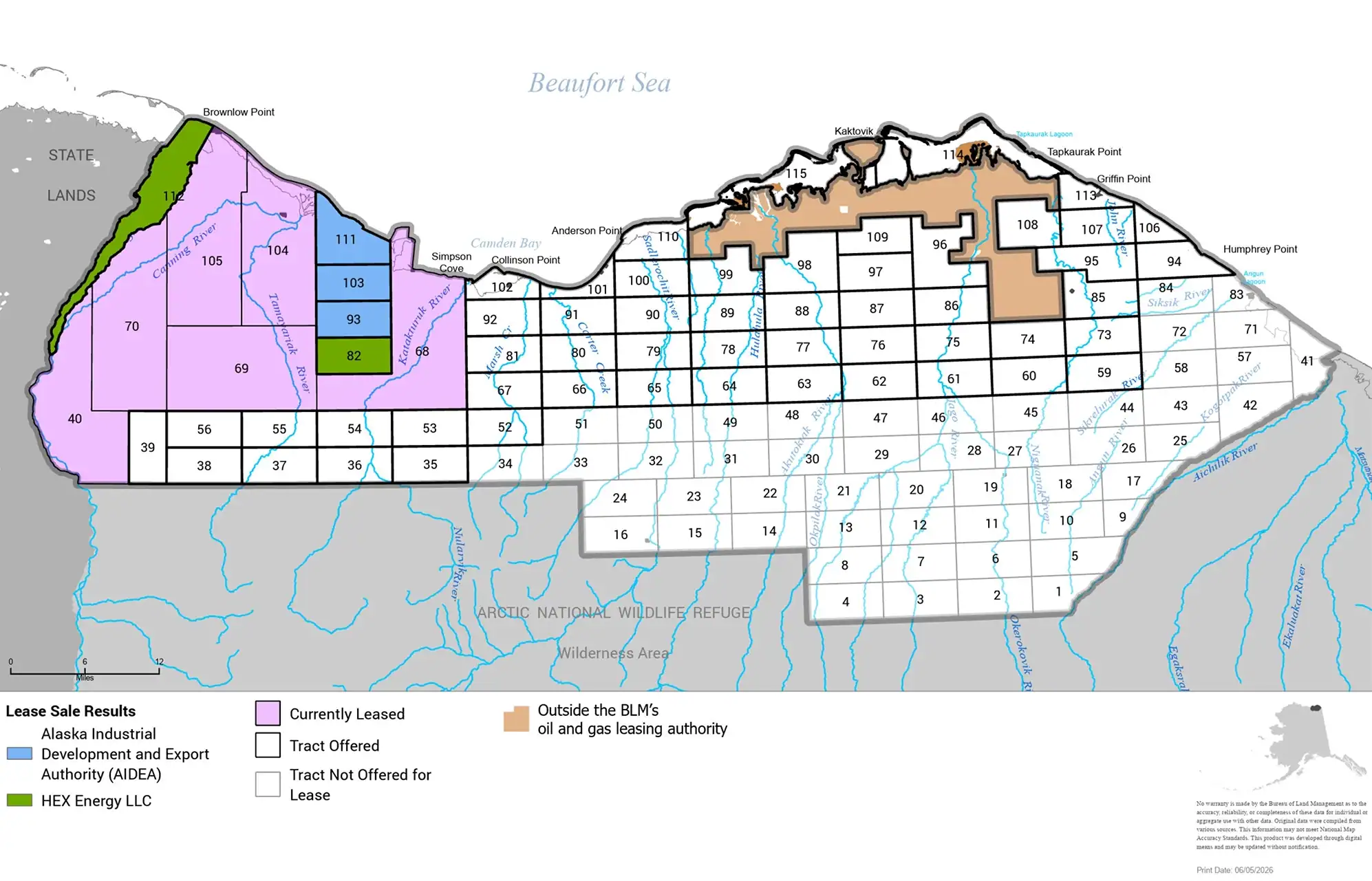
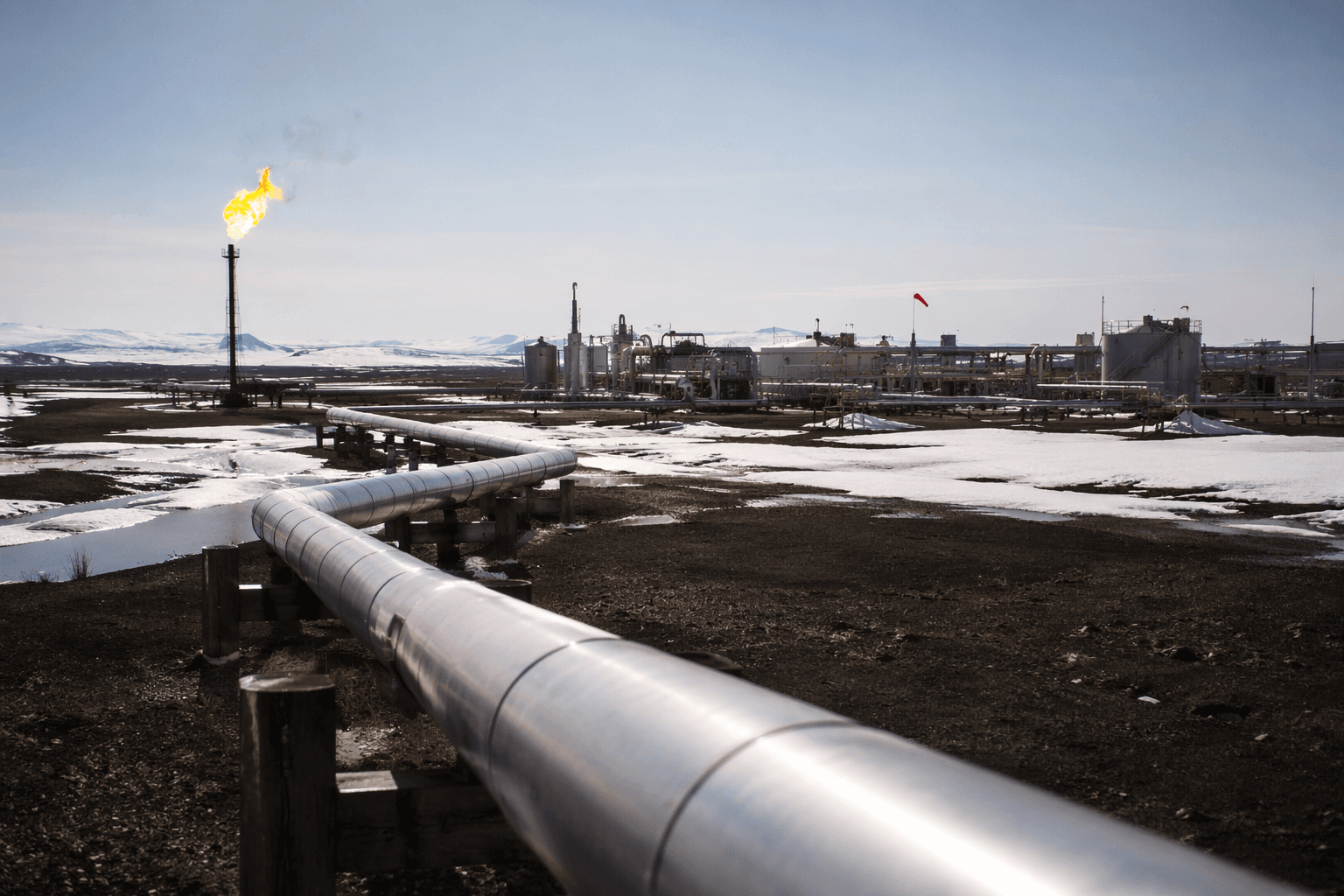
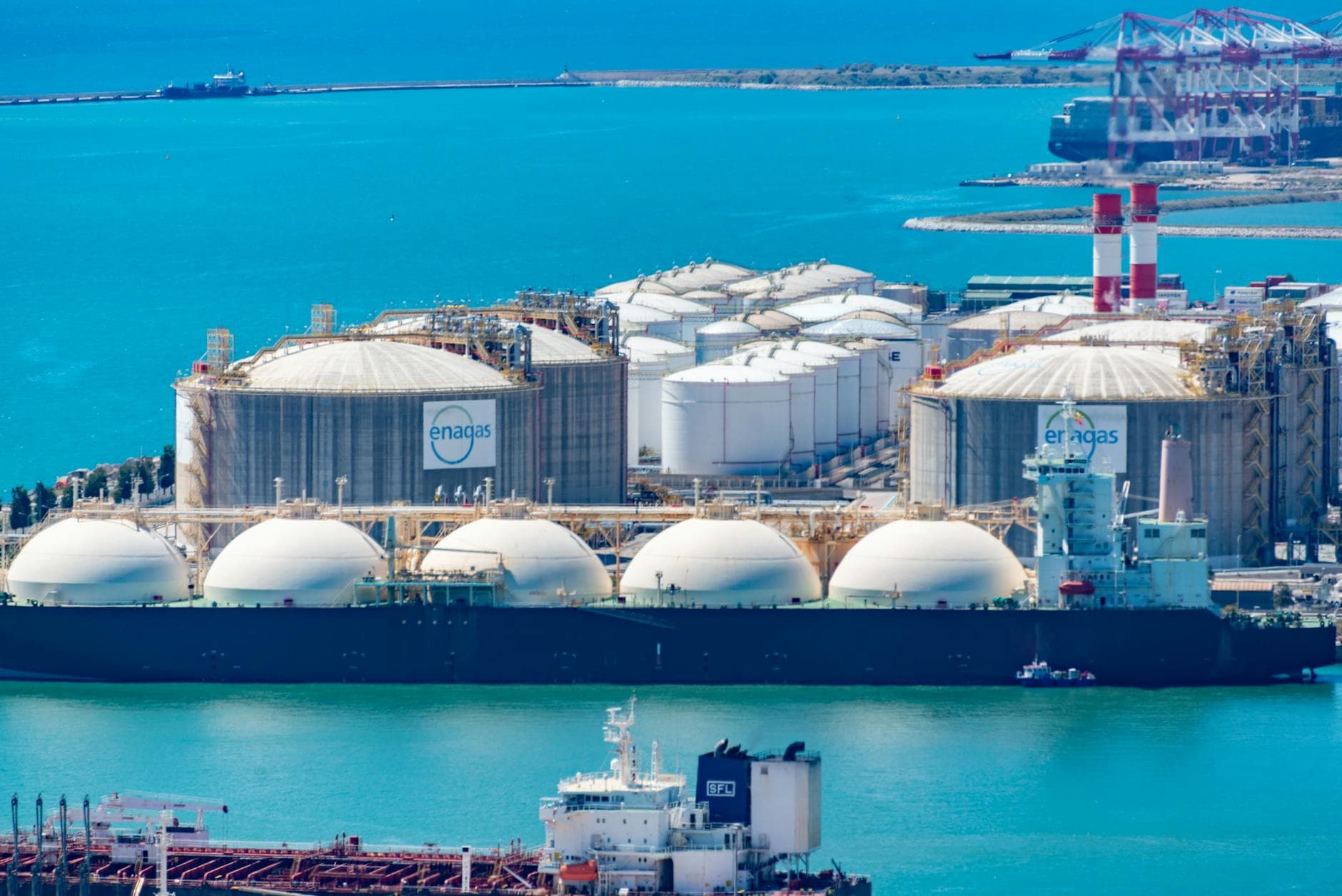
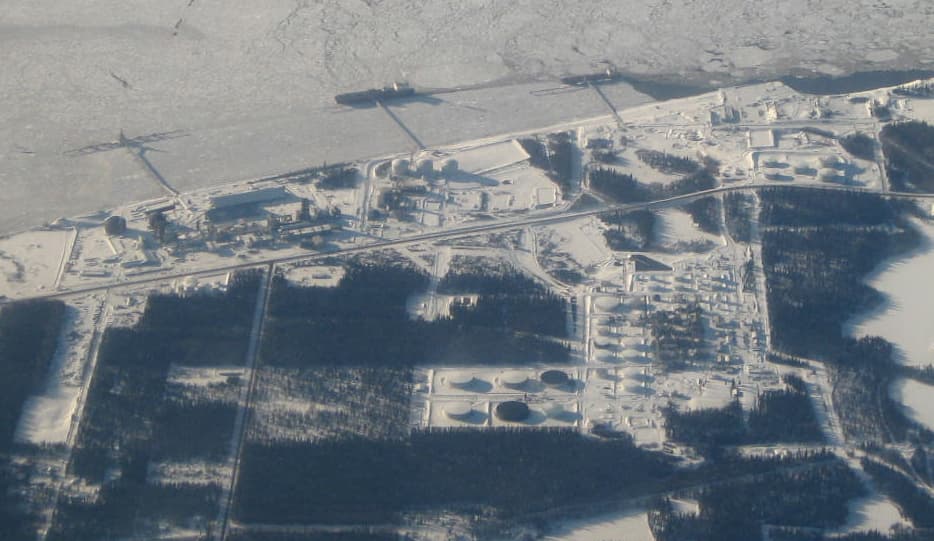
That distinction matters for the North Slope. Alaska LNG is still a proposal to move gas from Prudhoe Bay and Point Thomson through an 807-mile, 42-inch pipeline, through a gas treatment plant, and eventually to a 20 million-ton-per-year export terminal in Nikiski, with a North Slope carbon-capture facility designed to store 7 million tons of carbon dioxide a year. If the project ever advances, it could mean heavy industrial work, local contracts and long-term tax revenue tied to borough land and infrastructure. For now, it remains a project trying to prove it can become a real commercial build.
The project’s long arc shows why the ceremony should be read cautiously. Alaska Gasline Development Corporation says the effort dates to 2009, when Cook Inlet gas shortages raised alarms, the Legislature created AGDC in 2010, and lawmakers expanded its mission to include Alaska LNG in 2014. AGDC filed the project with the Federal Energy Regulatory Commission in 2017. FERC issued the final environmental impact statement in March 2020 and authorized construction and operation on May 21, 2020, yet the project still has not reached final investment decision.
Even the current development plan underscores how much work remains. AGDC said in April 2025 that remaining front-end engineering and design work was estimated at $150 million, with Glenfarne taking on development costs and risks in exchange for a 75% stake while AGDC keeps 25%. In November 2025, Glenfarne said Phase One could reach final investment decision after Worley finishes engineering and cost analysis, and Baker Hughes was brought in to supply compressors and power equipment.
The market case is real, especially as Cook Inlet gas prices have historically run from $6 to $8 per MMBtu and a new supply contract pushed prices up 50%, while projected LNG imports were estimated at $12 to $15 per MMBtu. Still, the Japan ceremony read more like another checkpoint in a long campaign than a signal that Alaska LNG is finally ready to break ground.
This article was produced by Prism’s automated news system from verified source data, official records, and press releases, then run through automated quality and moderation checks before publishing. The system is built and supervised by the people who set the standards it runs under. Read our full AI policy.
Did this article answer your question?