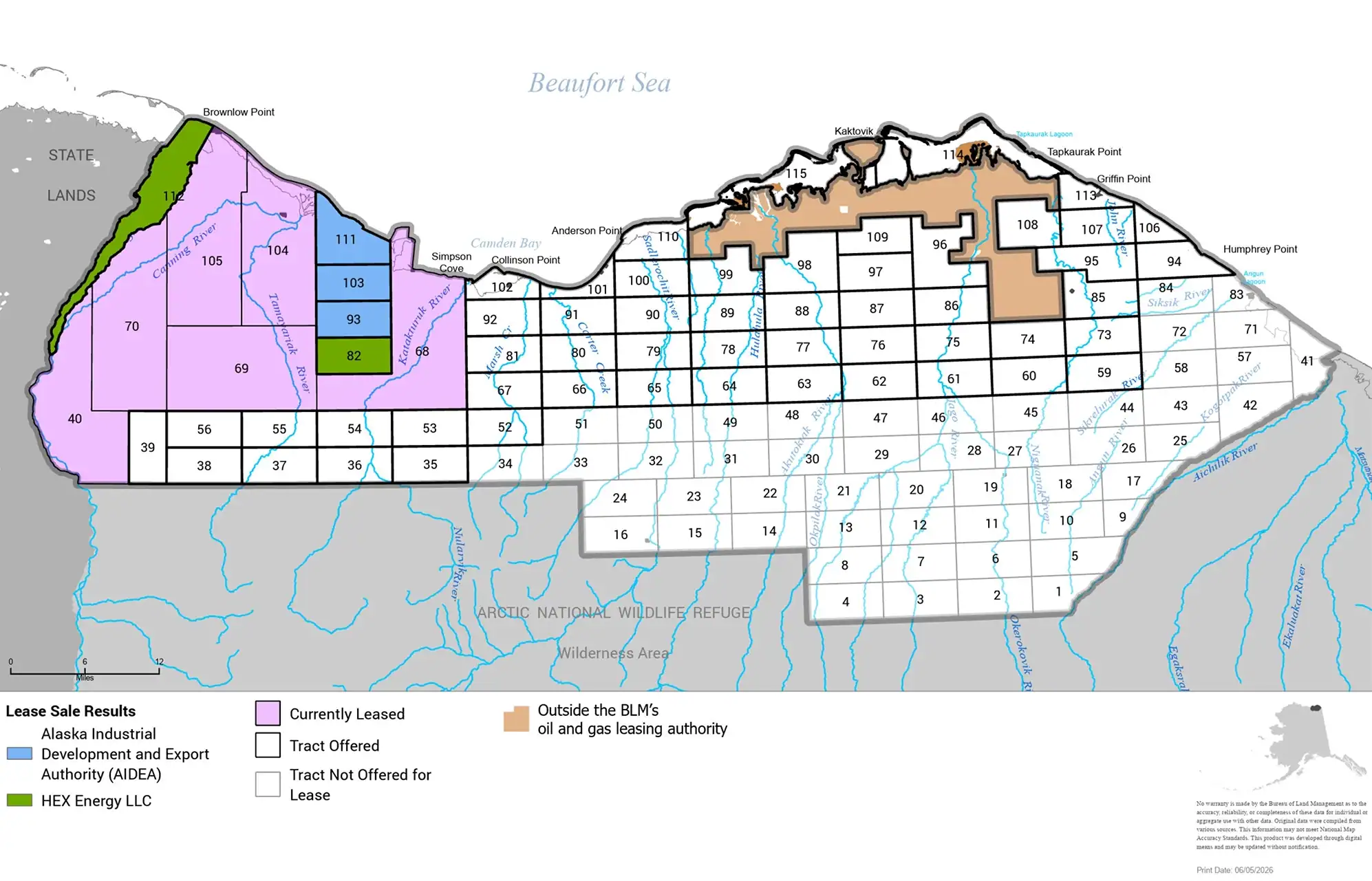
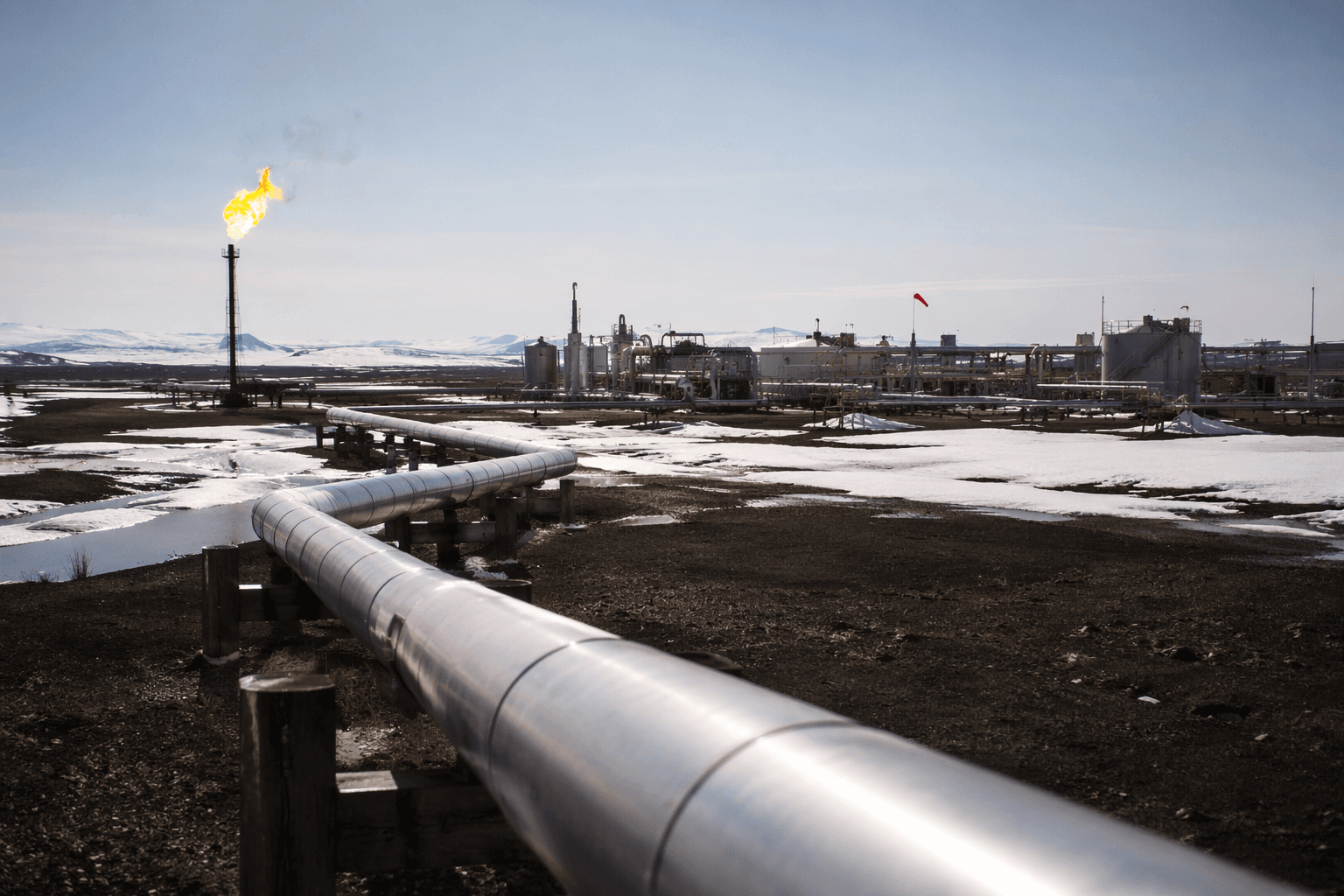
Rare sun dog lights up Kuparuk oilfield on North Slope
A bright sun dog over ConocoPhillips’ Kuparuk field highlighted the cold, clear conditions that shape travel, visibility and work on the North Slope.
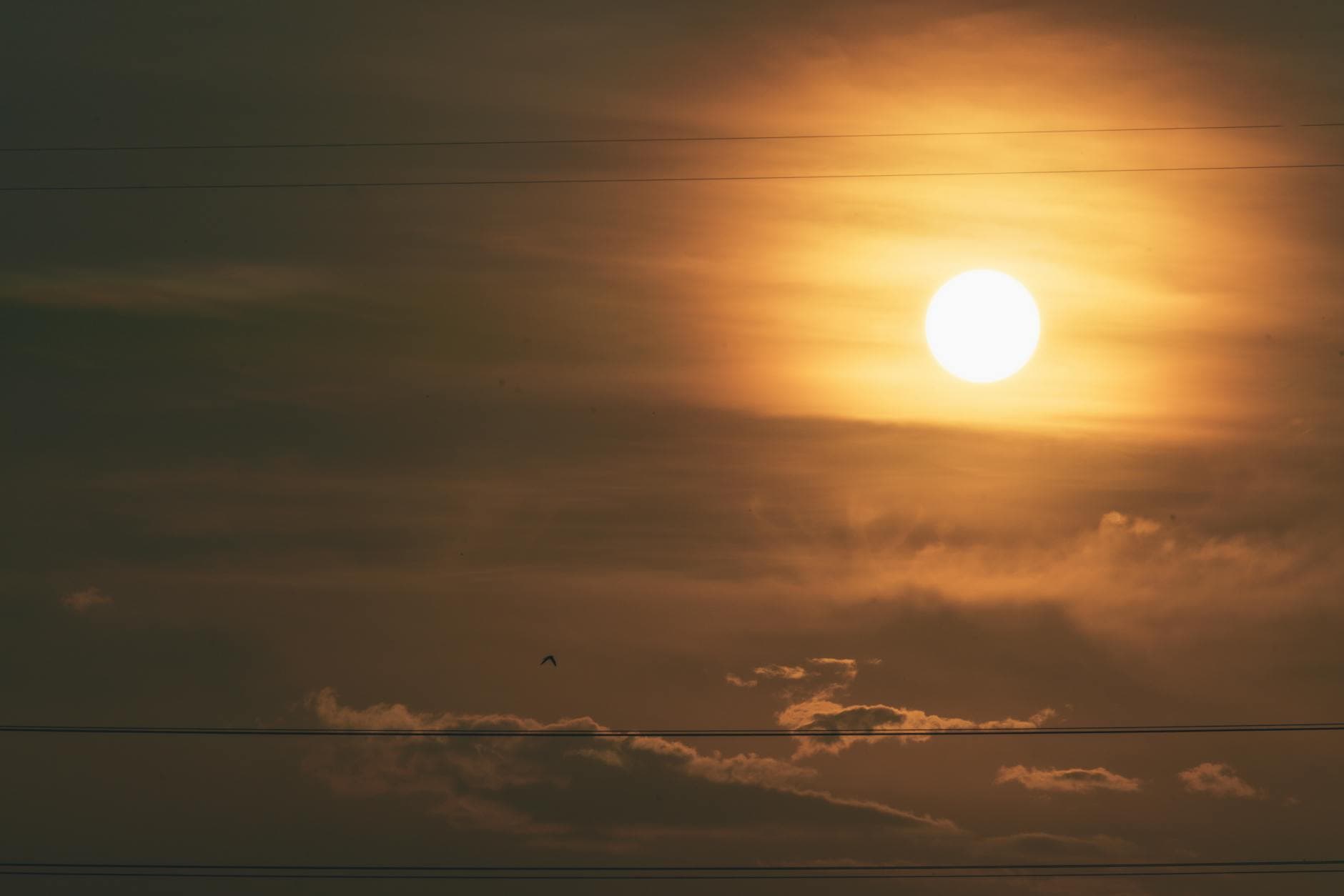
ConocoPhillips’ Kuparuk River Unit on Alaska’s North Slope got a rare sky show as one of the strongest sun dogs seen in the area lit up the oilfield about 40 miles west of Prudhoe Bay. The colored pair of bright spots, common in winter but less often caught so vividly in spring, formed in the same cold, clear air that affects visibility, travel and daily operations across the field.
A sun dog, known scientifically as a parhelion, appears about 22 degrees on either side of the sun when sunlight is refracted through ice crystals. The display is usually linked to cirriform clouds, which can hang over the North Slope when temperatures are low enough to keep the atmosphere loaded with fine ice particles. In practical terms, the same conditions that create the optical effect also define work in a remote oilfield where weather can change the pace of crews, flights and surface travel in a matter of hours.
Kuparuk is no ordinary site. Discovered in 1969 by Sinclair Oil Corp., the field began production in December 1981 and is now described by ConocoPhillips as North America’s second largest oil field. It remains a core part of ConocoPhillips Alaska’s production base alongside Prudhoe Bay and the Western North Slope, anchoring one of the most important industrial footprints in the state.
The company has continued investing in the area. Nuna, the drillsite 3T project in the Kuparuk River Unit, became the 49th drillsite developed in the field and reached first oil on Dec. 17, 2024, under budget and ahead of schedule. That makes the sun dog more than a pretty image over the tundra: it is a reminder of a working landscape where legacy production, new drilling and extreme weather all occupy the same frame.
For Kuparuk crews, that frame matters. Bright halos and sharp visibility can help make the horizon easier to read, but they also signal the kind of frigid, crystal-clear conditions that keep North Slope operations tied to weather, ice and light. At one of Alaska’s most important oilfields, even a sky display tells part of the story of how the work gets done.
This article was produced by Prism’s automated news system from verified source data, official records, and press releases, then run through automated quality and moderation checks before publishing. The system is built and supervised by the people who set the standards it runs under. Read our full AI policy.
Did this article answer your question?