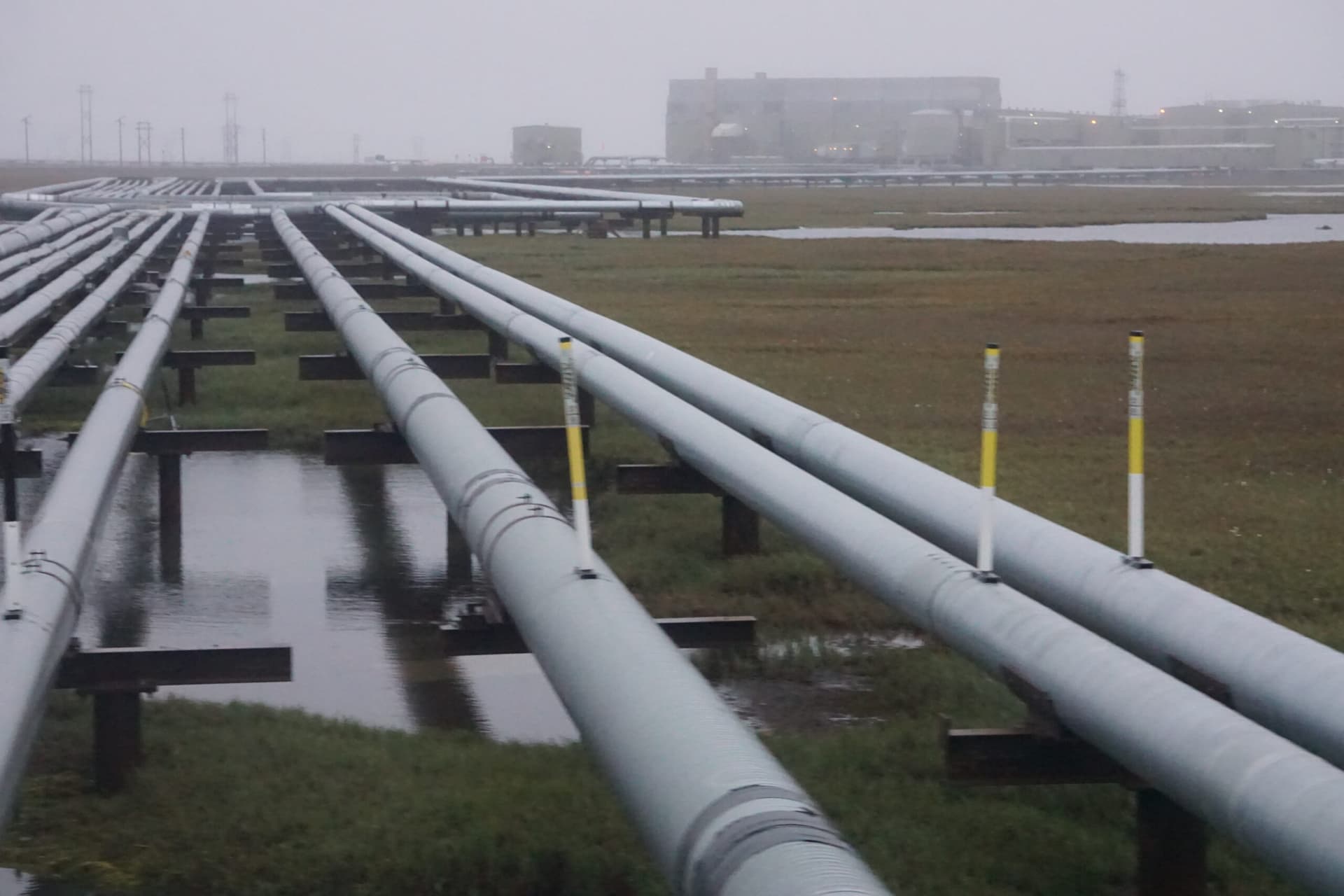
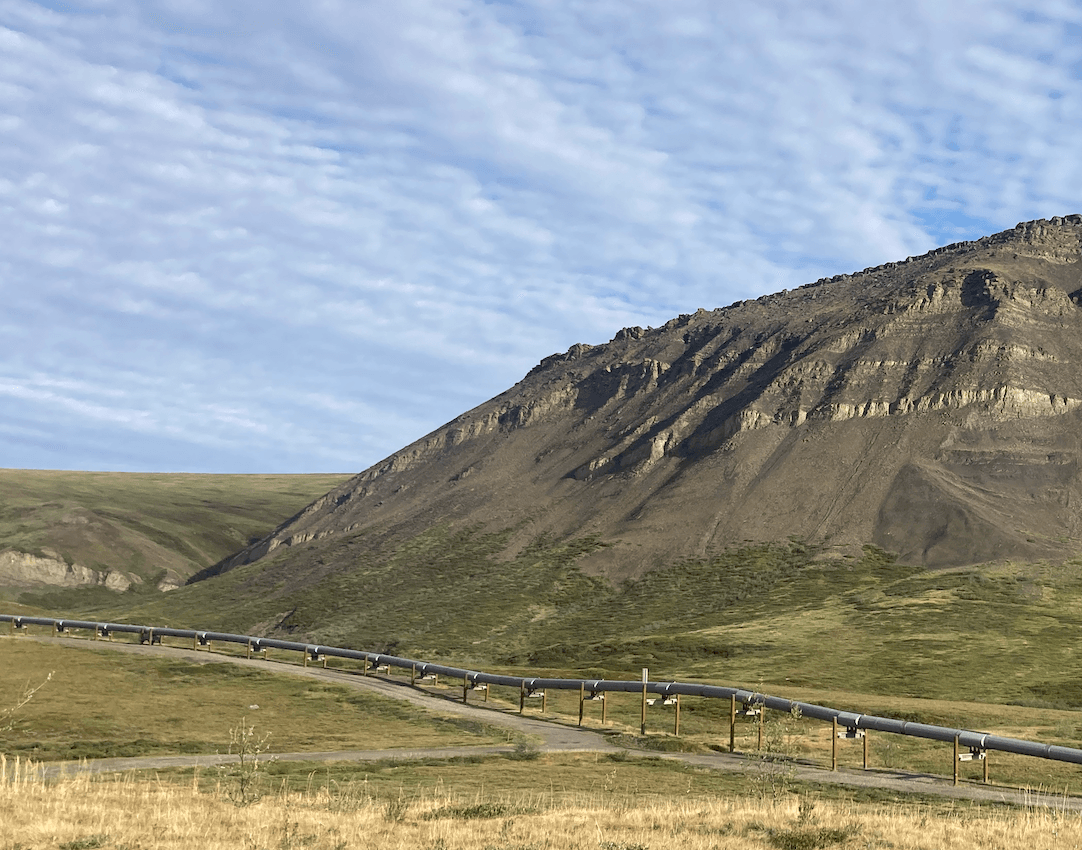
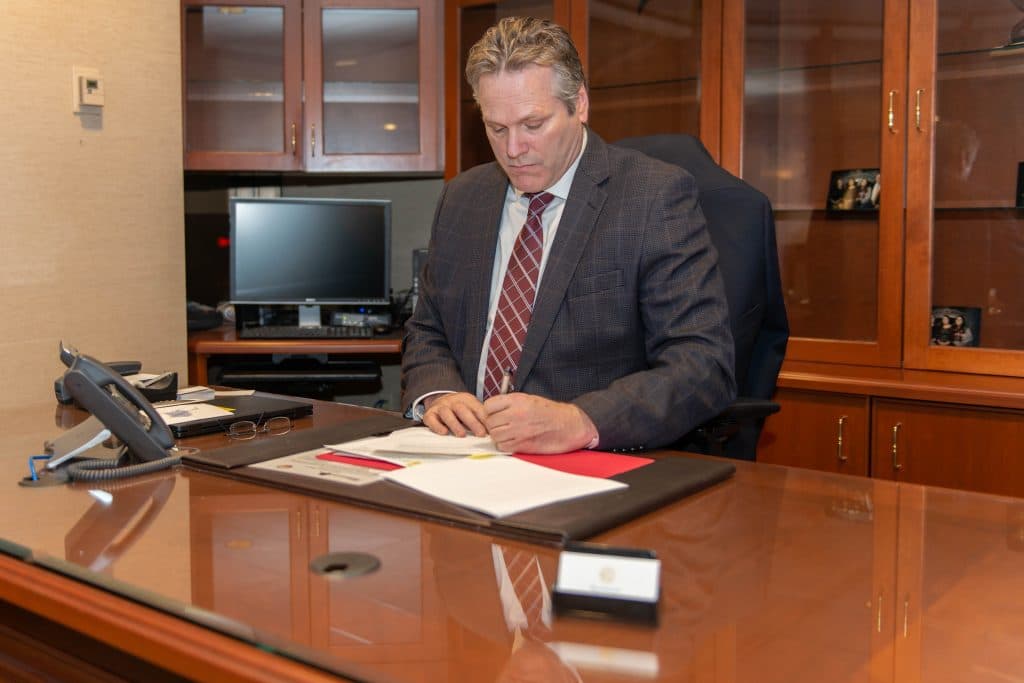
Governor Dunleavy Declares Disaster for Northwest Arctic Borough Extreme Cold Crisis
Bryan Fisher says four Northwest Arctic communities did "everything possible" before their sewers froze solid. Here's the North Slope preparedness checklist before -50°F cold hits.
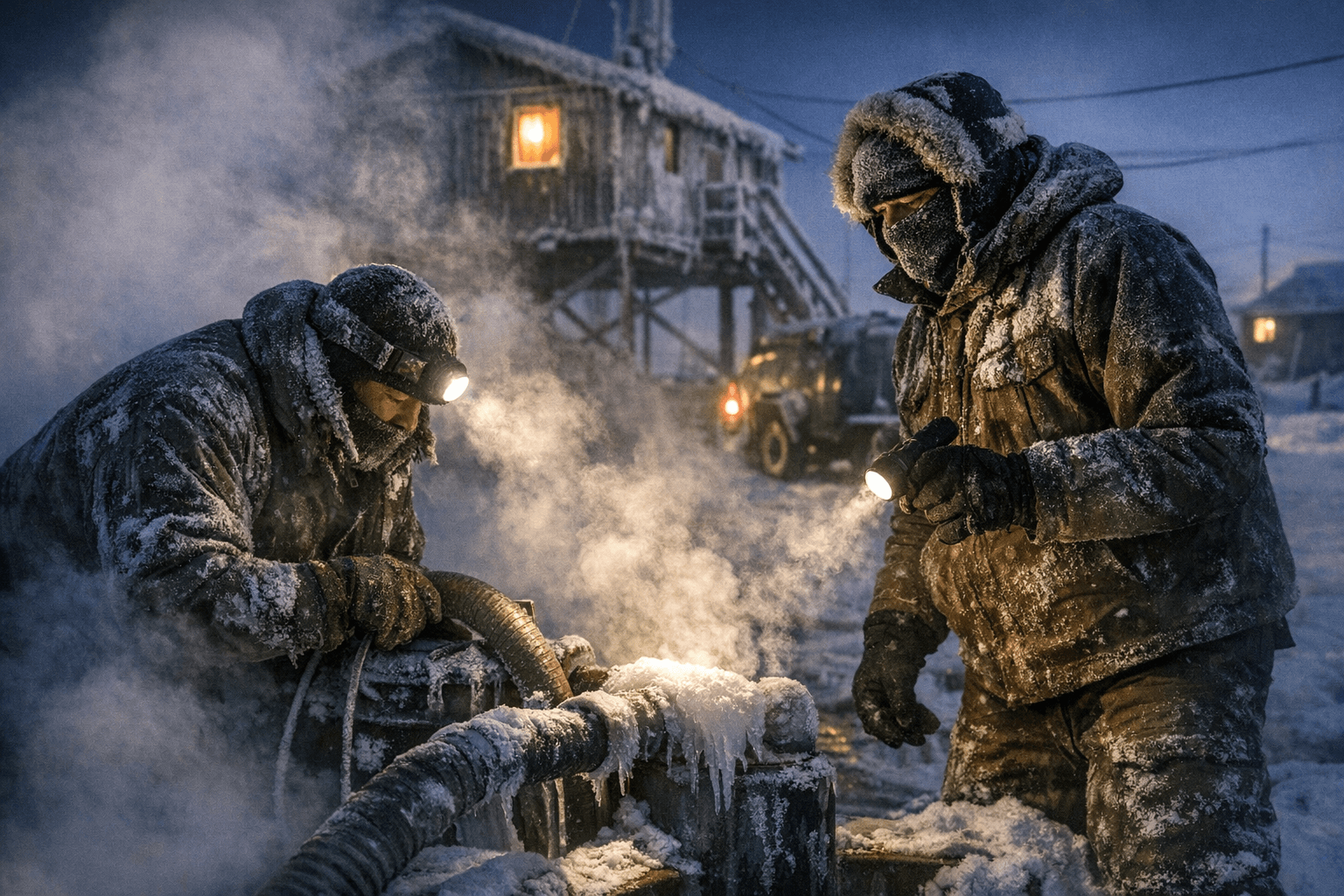
When the water stops running at -50°F, the pipe-thawing crews are already overwhelmed three villages over.
That sequence played out across the Northwest Arctic Borough this past winter, ending with Gov. Mike Dunleavy's March 26 state disaster declaration. Power strained first in Selawik, Shungnak, Ambler, and Buckland; once heating systems lost the battle against sustained cold, water and sewer lines froze hard. State officials said the damage now requires "extensive thawing and permanent repairs," work that will be underway long before any reimbursement check clears.
The declaration activates the State of Alaska Public Assistance program, which funds restoration of critical infrastructure, including utilities, buildings, roads, bridges, and communications systems, to pre-disaster condition. Division of Homeland Security and Emergency Management Director Bryan Fisher acknowledged communities "have done everything possible with the resources and personnel available to keep these systems online." That statement carries a specific warning for Utqiagvik and North Slope villages: there is a ceiling on what local crews can accomplish when infrastructure fails simultaneously across multiple communities.
The North Slope Borough's own hazard mitigation plan documents why the ceiling gets hit. Windchills reached -60°F in January 2012, February 2012, February 2020, and February 2021. Normal extreme cold in the region runs between -20 and -50°F; that range is not exceptional, it is the baseline. The question is whether households and employers have closed their vulnerabilities before the cold settles in.
At the household level, start with heat tape. Any exposed water service line, particularly above-ground connections that North Slope communities have increasingly adopted, depends on functioning heat-trace circuits. Verify each circuit is plugged in and that no breaker has tripped; a tripped breaker on a heat-trace line is among the most common causes of a frozen service connection. Keep at minimum three days of water stored for drinking and cooking. Know where your water shutoff is located and make sure every adult in the household can operate it independently; if a line bursts, the first minute determines whether the damage is a repair or a rebuild.
Employers and building managers carry broader obligations. Boiler rooms and mechanical spaces should be inspected weekly during prolonged cold stretches, not on a monthly schedule. Backup generators need to be load-tested before November, fully fueled, and have their transfer switches exercised. Designate a named backup for whoever checks heat-trace circuits over weekends and holidays; a frozen pipe in a school or community center eliminates not just a building but a potential warming shelter.
In Utqiagvik, the North Slope Borough Emergency Shelter coordinator is Qinugan Vilchis, reachable at (907) 852-0366. The borough's Fire Department, led by Fire Chief Anthony Neakok, can be reached at (907) 852-0234. For water and sewer emergencies, North Slope Borough Public Works operates a line at (907) 852-0489. The borough's general information number is (907) 852-2611.
Local governments, tribal organizations, and certain nonprofits across the region that have sustained cold-related infrastructure damage may be eligible to apply for Public Assistance disaster recovery grants. Bryan Fisher's office handles eligibility inquiries through state media contact Jeremy Zidek at (907) 428-7077 or Jeremy.Zidek@alaska.gov.
Northwest Arctic Borough is dealing with the consequences of systems that were pushed past their limit. The infrastructure that broke there is the same infrastructure that runs under and through every North Slope community. The next extreme-cold event will not announce itself.
Know something we missed? Have a correction or additional information?
Submit a Tip