Iḷisaġvik College and ICAS Anchor Education, Culture on Alaska's North Slope
Alaska's only tribal college offers free tuition to every North Slope resident, with welding and equipment-operator credentials that translate directly into $50K-$70K local jobs.
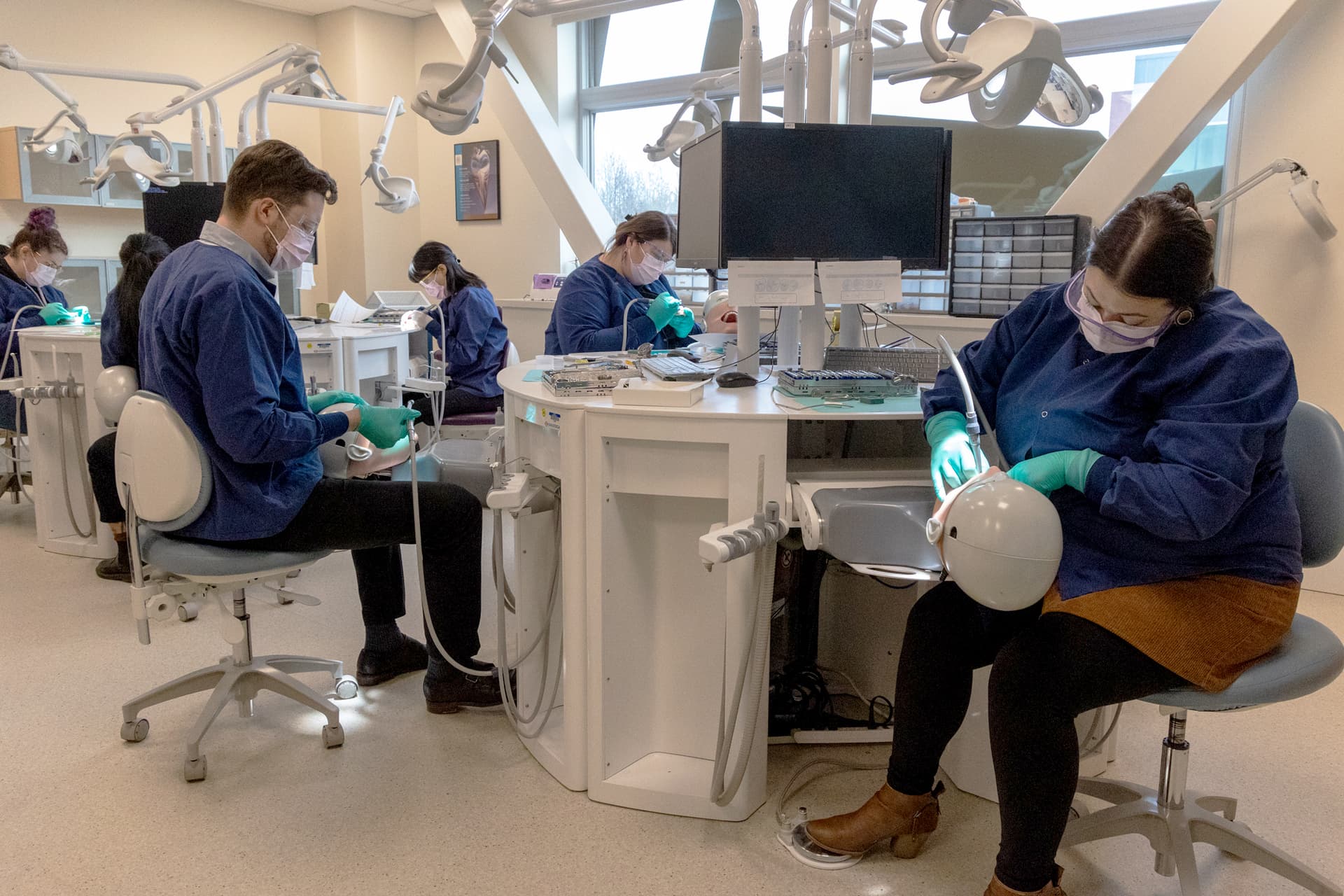
Thirty years after its founding, Iḷisaġvik College in Utqiaġvik remains the most direct route a North Slope resident has from kitchen table to career. Alaska's only tribal college has built something unusual: an institution that is, by its own declaration, "unapologetically Iñupiaq," and that simultaneously trains the welders, heavy-equipment operators, and emergency medical technicians that keep Arctic infrastructure running. In March 2025, the college received reaffirmation of its accreditation, a milestone that signals its academic and vocational credentials carry real weight with employers across the region.
Where credentials translate into local jobs
The programs Iḷisaġvik offers map directly onto the jobs that regional employers post every hiring cycle. Workforce certificates in welding, plumbing, pipefitting, heavy equipment operations, and emergency medical services address the specific technical gaps that North Slope Borough agencies and energy operators repeatedly cite. Dental therapy and allied health programs address a separate but equally chronic shortage: rural health care providers willing to work in Arctic communities year-round.
The wages attached to these credentials are not abstract. North Slope Borough equipment operator positions pay between roughly $50,000 and $70,000 annually, according to salary data from March 2026. North Slope welding roles carry a median rate near $30 per hour, with specialized pipeline and QA positions paying considerably more. For a Utqiaġvik resident who completes a certificate without paying a dollar of tuition, those figures represent a meaningful return on a single semester of training.
Beyond vocational certificates, the college offers associate degrees and academic pathways, including Iñupiaq language courses and Indigenous-centered curricula woven throughout its programs. That integration is deliberate: the institution frames cultural grounding and workforce readiness not as competing priorities but as reinforcing ones.
The enroll and upgrade pathway
Iḷisaġvik has structured access so that cost is rarely the obstacle. Three distinct tuition waivers cover most of the population likely to apply:
- Mayor's Tuition Waiver: covers all North Slope Borough residents who have lived in the borough for at least 30 days and are 18 or older; administered through support from the borough's mayor.
- Alaska Native/American Indian Off-Slope Waiver: extends coverage to Alaska Native and American Indian students who do not reside on the North Slope, broadening access to village-origin students studying elsewhere.
- Elder Waiver: available to North Slope Borough residents aged 62 or older.
All applicants must submit a scholarship application to be eligible for any waiver, even if they are not ultimately awarded a scholarship. That single administrative step is the gateway to free tuition, and the college's financial aid counselors are part of a student services network that also includes tutoring, internships, a loaner laptop program, and small class sizes.
Instruction is available in-person on the Utqiaġvik campus and through expanded online options, a critical feature for residents in smaller communities like Anaktuvuk Pass, Nuiqsut, or Kaktovik who cannot relocate. The college operates year-round, so prospective students should check the current academic calendar and program descriptions on ilisagvik.edu for enrollment deadlines and course formats.

ICAS: tribal governance, scholarships, and community services
The Iñupiat Community of the Arctic Slope, the region's federally recognized tribal government, operates alongside Iḷisaġvik as a complementary force. ICAS's mission centers on exercising sovereign rights and promoting self-determination for Iñupiat communities across the North Slope, and its service portfolio extends from education and scholarships to social services and cultural programming.
On the scholarship side, ICAS administers financial assistance for students who are at least one-quarter Alaska Native or American Indian, or are enrolled members of a federally recognized tribe, who are pursuing four-year academic degrees at accredited institutions, including tribal community colleges. A separate Adult Vocational Training program provides targeted financial aid for residents of Anaktuvuk Pass and Point Lay seeking vocational or technical credentials, filling a gap for village residents whose options are geographically limited.
ICAS also provides elder services, including information and referral, respite care, chore assistance, and daily living support for senior tribal members. Cultural programming and community services keep Iñupiaq language, ceremony, and customary practices active across the region. Tribal members and residents can find current scholarship cycles, program announcements, and community services through icas-nsn.gov, where calls for participation and board involvement are posted regularly.
The two institutions frequently collaborate on workforce development initiatives, creating a pipeline that begins with ICAS support and runs through Iḷisaġvik credentials into local employment.
The business case for growing local hires
For North Slope employers, the financial logic of investing in locally trained workers is straightforward. Flying skilled labor in from Anchorage, Fairbanks, or the Lower 48 carries significant costs in travel, per diem, housing, and turnover. A technician who grew up in Utqiaġvik or Wainwright, trained at Iḷisaġvik, and holds a certificate recognized by regional operators arrives already acclimated to Arctic working conditions, familiar with cultural norms, and, critically, motivated to stay. Workforce development partnerships with the college allow employers to help shape curriculum toward specific credential gaps and access a talent pipeline that did not previously exist at local scale.
The alternative, importing outside labor indefinitely, does nothing to build the borough's internal capacity. Every Iḷisaġvik graduate who takes a North Slope job represents a reduction in that dependency, a dollar of wages staying in the community, and a household with roots deep enough to weather an Arctic winter without leaving.
For anyone on the North Slope considering their next career move or a first credential, the starting point is the same: ilisagvik.edu for program descriptions and enrollment, and icas-nsn.gov for scholarship eligibility. The tuition is already covered. The training is built for this place.
Know something we missed? Have a correction or additional information?
Submit a Tip