North Slope district clarifies summer meal program, invites youth workshop
North Slope families are being told Meals to You is separate from NSB Summer Feed as the district touts reading gains and a land-based youth workshop.

North Slope Borough School District is using one public page to push two messages that matter to families: where summer food support comes from and how the district wants to build a new land-based youth program. The page says Meals to You is a State of Alaska program for students in need, and it makes clear that it is separate from the district’s yearly NSB Summer Feed program.
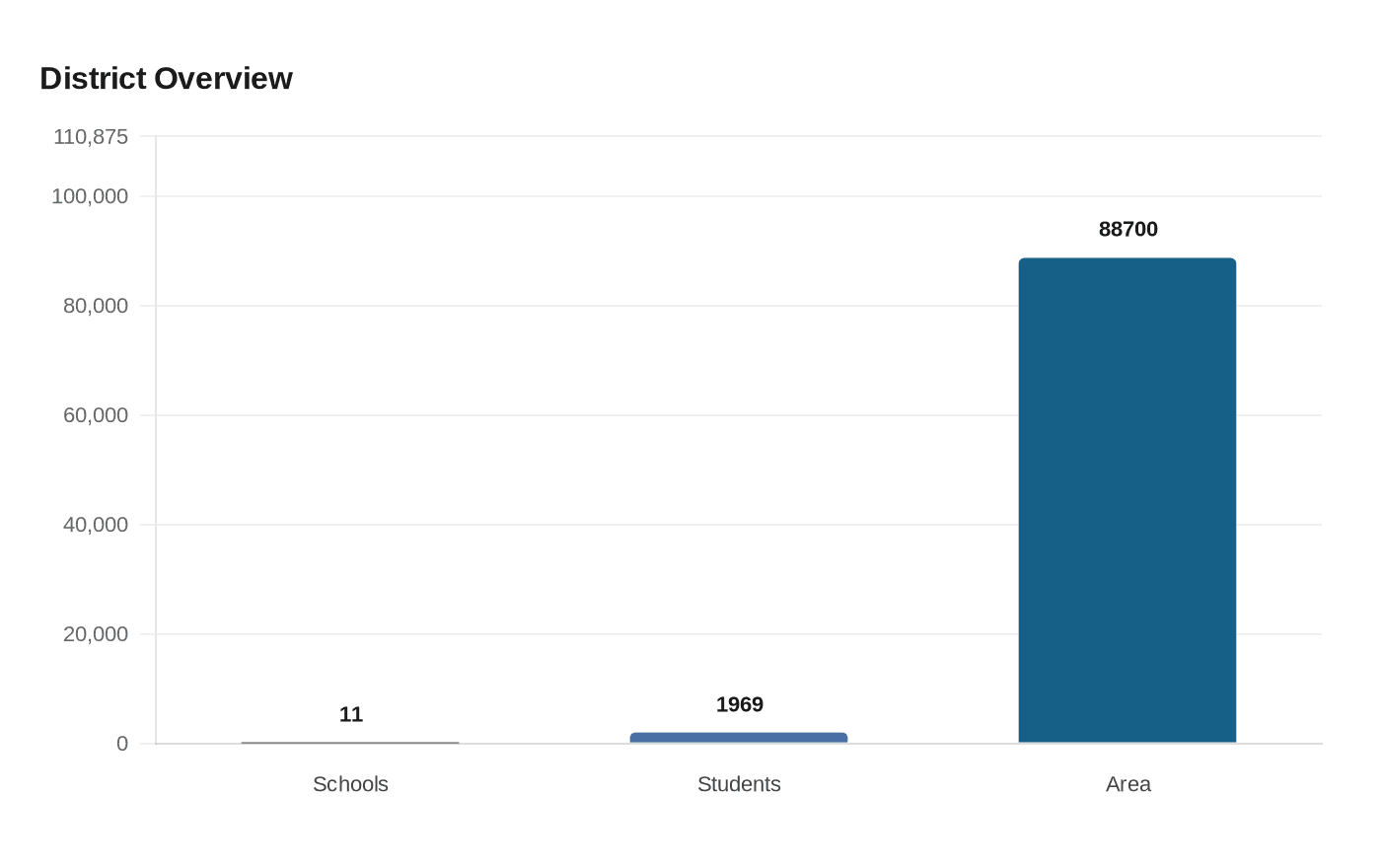
That distinction matters in a borough where the school system serves as a central part of summer planning for many households. NSBSD operates 11 schools across roughly 88,700 square miles, from Utqiaġvik and Barrow to Nuiqsut, Wainwright, Point Hope, Point Lay, Atqasuk, Kaktovik and Anaktuvuk Pass. Public district data puts enrollment at 1,969 students in the 2023-2024 school year, a reminder of how much of the region’s child-serving infrastructure runs through the district.
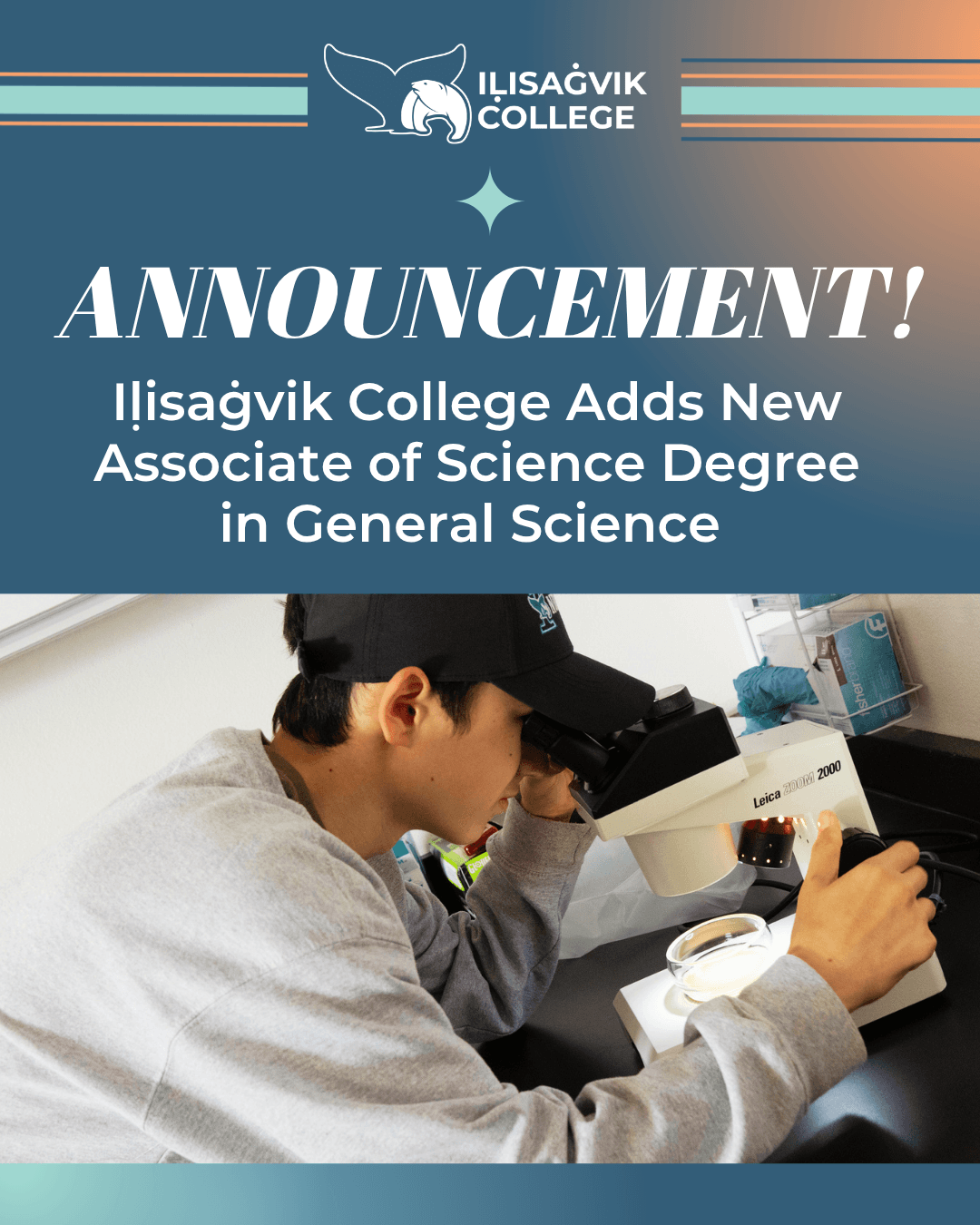
The same page also invites youth and adults to an all-day workshop meant to help launch a land-based youth program across North Slope communities. The invitation says participants can come to learn, share ideas and experience the outdoors. That effort fits the district’s stated commitment to Inuguqsiniq, the traditional Iñupiaq ways of raising and educating children, and to the Iñupiaq Learning Framework, which NSBSD says is the foundation for coherent Iñupiaq-based academic curricula and assessment processes.
District leaders are also pointing to recent academic gains. NSBSD says kindergarten through grade 3 students grew 200 percent in proficiency over the past three years compared with pre-COVID reading fluency scores. It also says students in grades 3 through 9 outperformed the State of Alaska over the last 12 months in moving toward proficiency on AKSTAR testing. In Alaska, AK STAR measures English language arts and mathematics in grades 3 through 9, while NSBSD says it also uses mCLASS and MAP Growth as interim assessments.
The district’s broader reporting context shows why those claims carry weight. Alaska’s Reads Act, signed in June 2022, was designed to strengthen early reading skills, and the state began digitizing report cards in 2018-2019. Alaska’s education department has also warned that COVID-era disruptions make 2020-2021 data hard to interpret, making NSBSD’s post-pandemic trend lines especially important for families trying to judge whether current programs are moving the needle. By putting summer meals, language and culture, and test-score growth on the same page, the district is signaling that food access, identity and achievement are being managed as one conversation, not three.
This article was produced by Prism’s automated news system from verified source data, official records, and press releases, then run through automated quality and moderation checks before publishing. The system is built and supervised by the people who set the standards it runs under. Read our full AI policy.
Did this article answer your question?