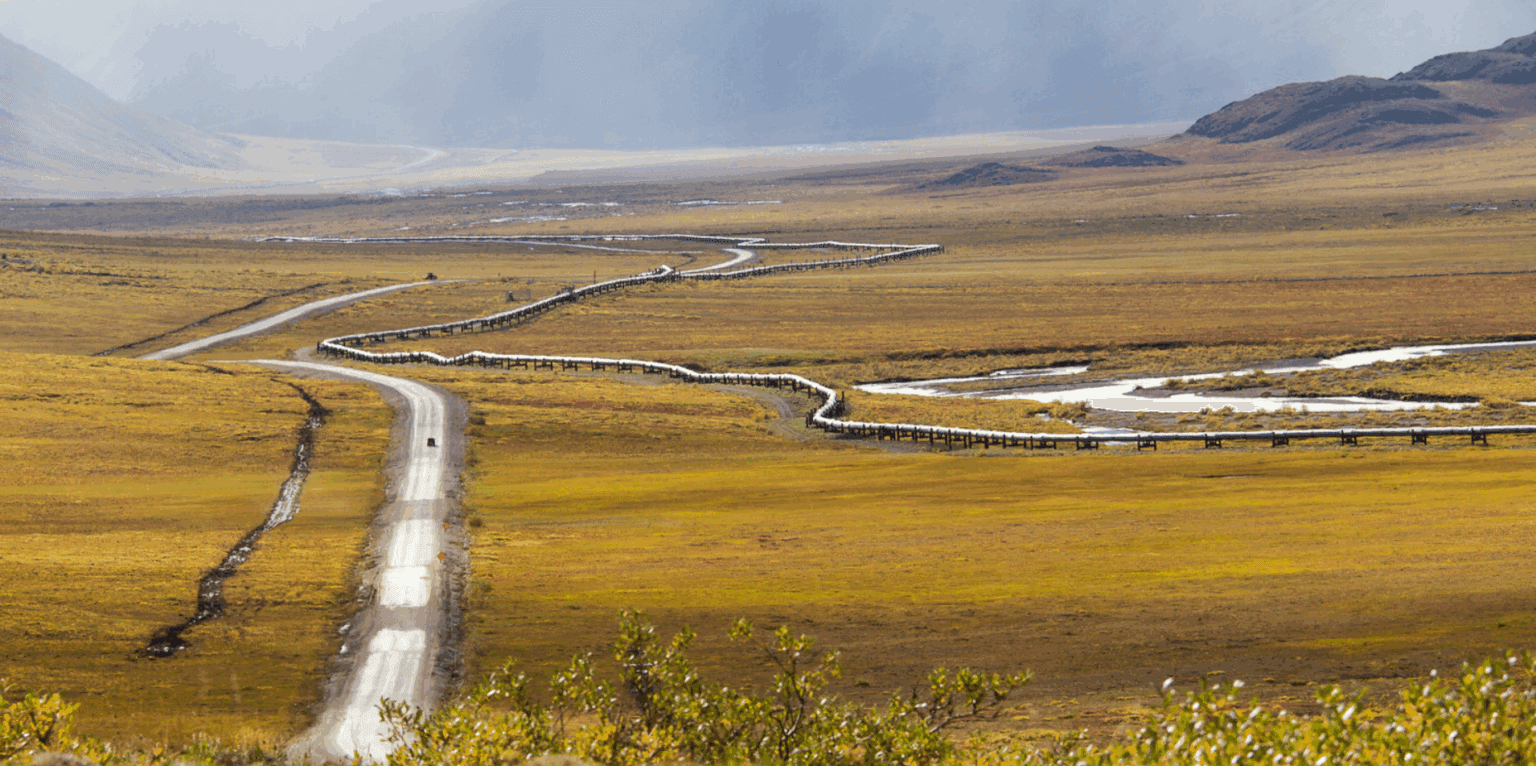
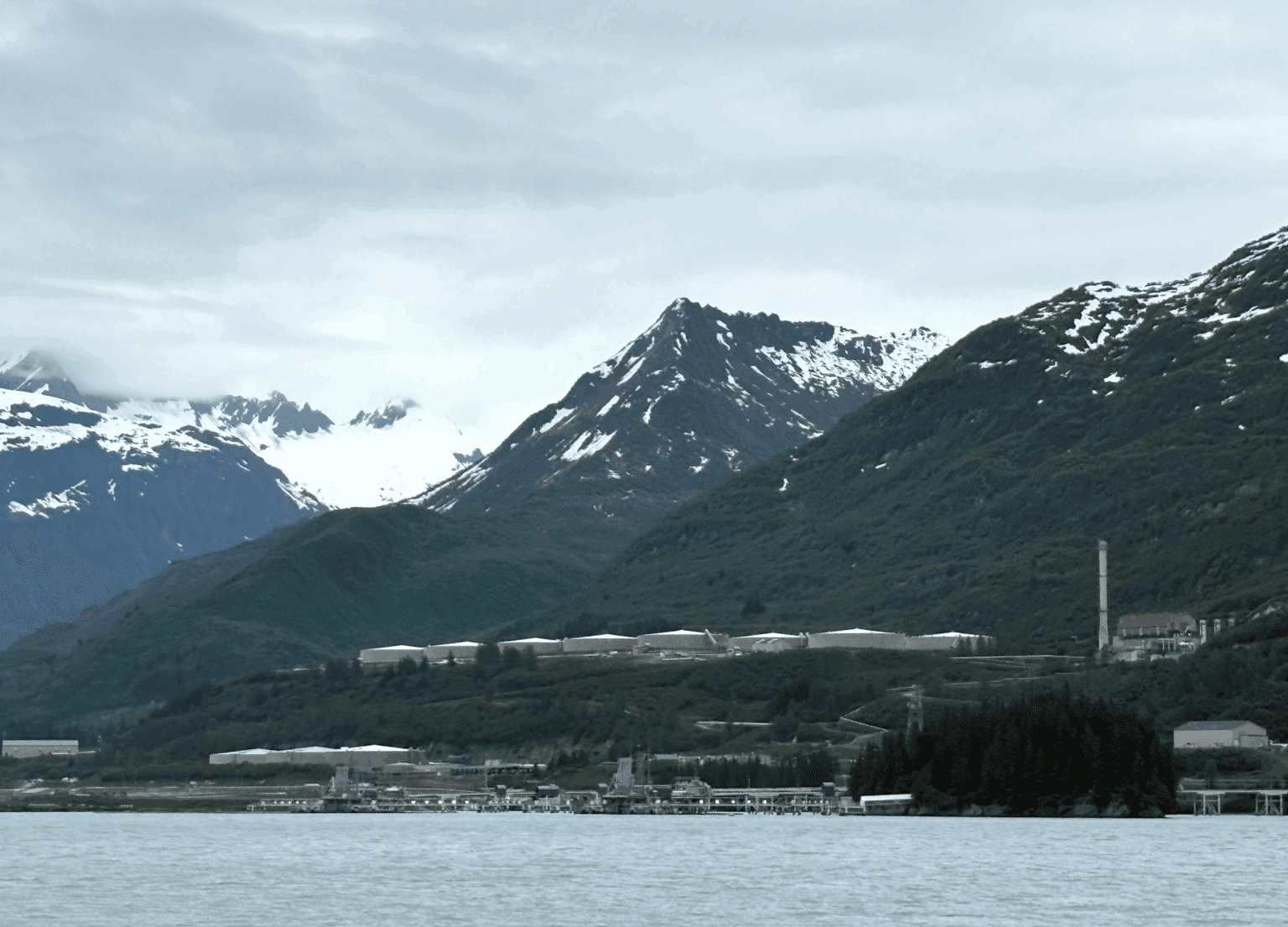
Kaktovik Iñupiat Corporation Seeks 20-Year Permit for Seasonal Ice Road to Deadhorse
Kaktovik Iñupiat Corporation seeks a 20-year permit to build seasonal ice-and-snow roads to Deadhorse, a move that could cut shipping costs and add travel options for Kaktovik residents.
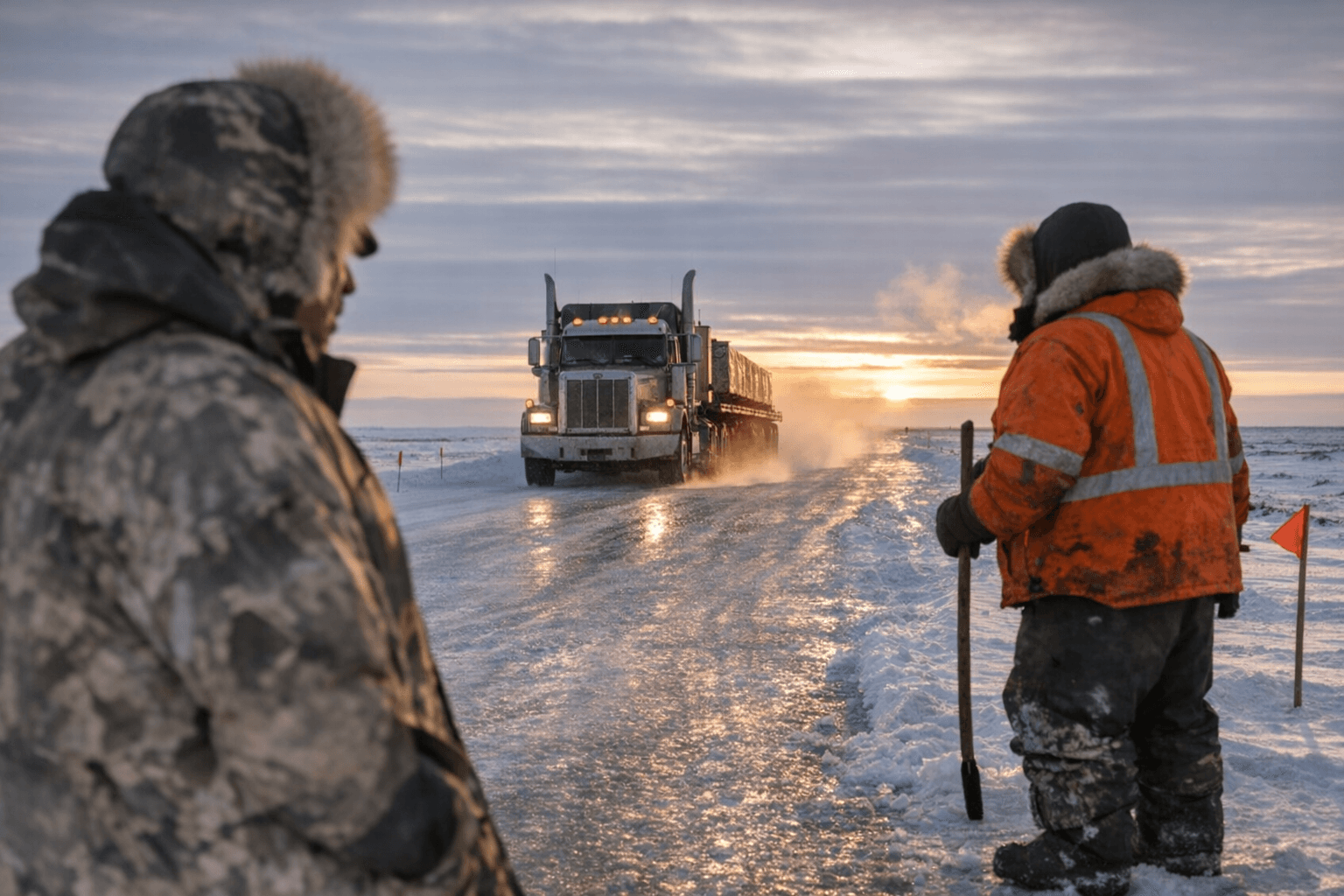
Kaktovik Iñupiat Corporation (KIC) has asked the U.S. Fish and Wildlife Service (FWS) for a 20-year right-of-way permit to annually construct and use a winter snow trail across the Arctic National Wildlife Refuge coastal plain to reach its inholdings near Kaktovik. The draft Environmental Assessment was released January 23, 2026, and the public comment period runs through February 9.
FWS describes the proposed permit as an ANILCA 1110(b) access-to-inholdings request and frames the agency’s proposed action as issuance of the 20-year permit. The ROW would authorize two primary route options - a shore fast sea ice route along the coast and an overland route across refuge lands and waters - plus three connecting routes between Simpson Cove and Anderson Point where vehicles could move between sea-ice and overland corridors. The draft EA states the overland route would cross 49.6 miles of Refuge lands and waters; other reporting describes two segments of about 43 and 50 miles each.
KIC and proponents say the link would reduce costs and provide travel alternatives for the village. As one local summary put it, "The seasonal road link would enable more affordable shipment of goods and equipments and would give residents another option for travel out of the village, proposents say." The FWS text describes the permit purpose succinctly: "The ROW permit would enable KIC to annually create and utilize a winter snow trail for the purpose of transporting large equipment and commodities to its inholdings."
For Kaktovik residents, the proposal hits on familiar tradeoffs. Deadhorse, an industrial community at the edge of the Prudhoe Bay oil field, sits about 120 miles west of Kaktovik and is a primary hub for heavy cargo and services. A seasonal route that reliably links the villages could lower freight costs for fuel, building supplies, and heavy equipment, and offer an additional option when summer coastal travel or air transport is limited or costly. At the same time, winter road construction and vehicle traffic through refuge coastal plain raise questions about effects on subsistence use, wildlife such as caribou and polar bears, and potential impacts to shorefast ice and tundra hydrology.
FWS notes precedent for seasonal snow-trail permits across state and federal lands, listing examples including NSB 18-198F for community winter access trails and the City of Bettles Winter Trail as a community-maintained example. The permitting process is being conducted under NEPA and ANILCA authorities; FWS announced preparation of the draft EA in February 2023 and released the full draft EA in January 2026, including maps and Appendix 3 Map 4 that show proposed alignments.
What comes next for readers: the draft EA is open for comment through February 9, and FWS will consider comments before making a final permit decision. Local leaders, subsistence users, and KIC officials can review the draft EA maps and technical appendices, submit comments during the public comment period, and seek clarifications from FWS on exact route mileage, seasonal windows of use, vehicle types, and proposed environmental safeguards.
Know something we missed? Have a correction or additional information?
Submit a Tip