Kaktovik leaders seek to revive polar bear tourism, protect village life
Kaktovik is trying to bring back a tourism industry that once drew 1,000 visitors a year, but this time residents want tighter local control.

Kaktovik leaders are trying to rebuild a polar bear tourism business that once brought 1,000 or more visitors a year to the tiny village, with the goal of turning seasonal wildlife traffic into local jobs and income without overwhelming village life.
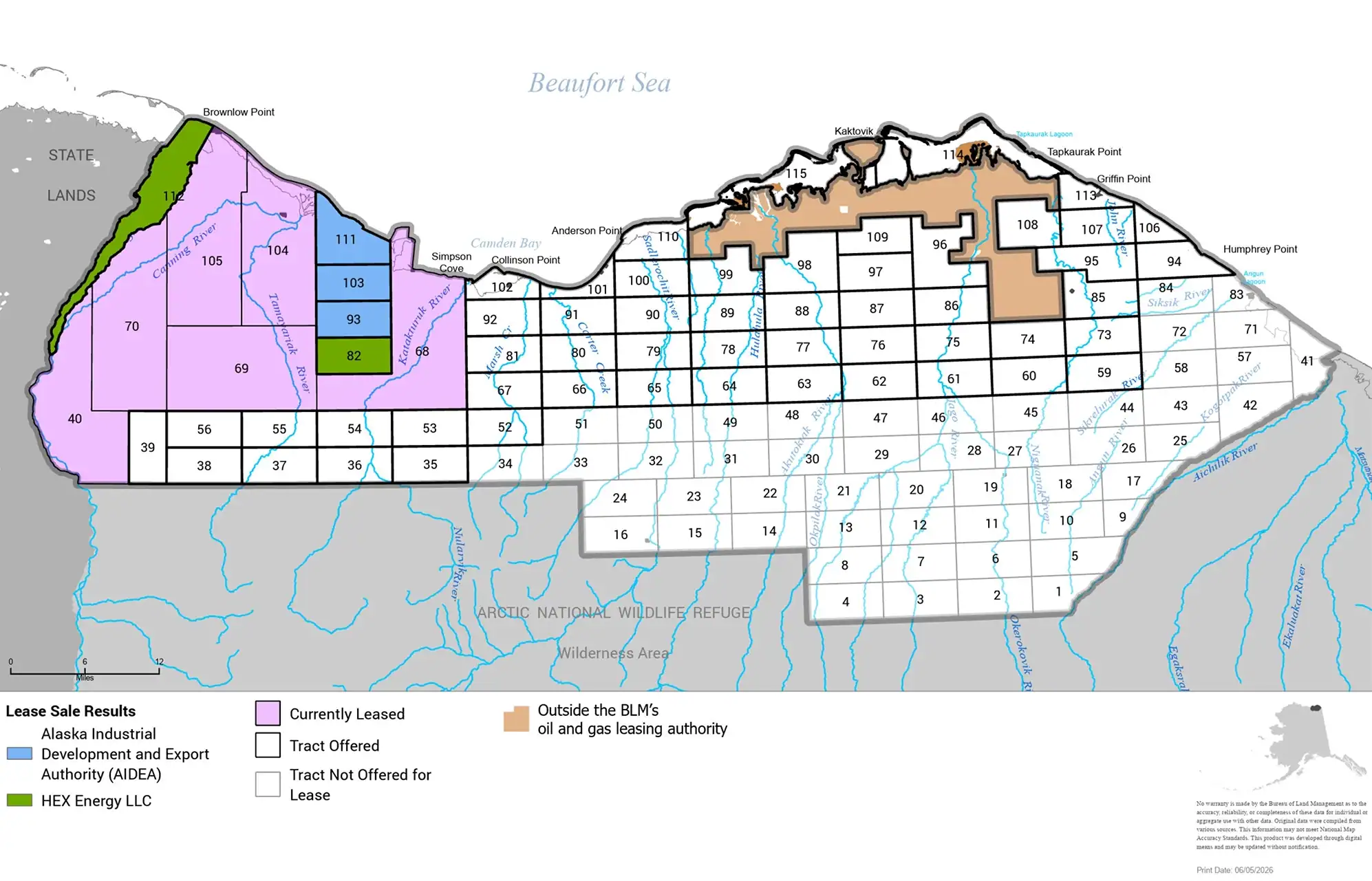
The effort matters in a place of about 250 people, the only settlement inside the Arctic National Wildlife Refuge. Late each summer and fall, as sea ice shrinks in the Beaufort Sea, as many as 80 polar bears come ashore near Kaktovik, drawn by whale carcasses left by hunters before freeze-up. That sight made the village a rare global destination, but the pandemic and later federal restrictions on boat tours helped shut down the older version of the business.
Charles Lampe, president of Kaktovik Iñupiat Corp., said the community wants tourism back, but not in the way it operated before. That distinction matters after years of tension over outside operators, day-trippers and complaints that visitors wandered too close to homes and treated the village like a spectacle rather than a working community.
Local leaders say a revived industry could support guides, lodging, transportation and small businesses, giving families another source of cash alongside subsistence work and seasonal jobs. For a village as remote and infrastructure-limited as Kaktovik, even a modest rebound could mean more steady income during the short Arctic tourism season.
The new push is also tied to safety and bear management. Nathan Gordon Jr., Kaktovik’s mayor, also leads the village polar bear patrol, carrying a shotgun and cracker shells to keep bears out of town. Robert Thompson, a longtime Iñupiaq guide and head of the Kaktovik Polar Bear Captains Association, has described the surge in bears as a “climate issue,” a reminder that the same warming that shortens sea ice also shapes the tourism opportunity.

Any comeback will still depend on federal rules. The U.S. Fish and Wildlife Service says commercial activity in the Arctic Refuge requires a special use permit, and if photography or filming might disturb polar bears, a permit is required. The service has also been reviewing Kaktovik Iñupiat Corp.’s request for a 20-year special use permit for a winter right-of-way across refuge lands and waters, showing how tightly access and tourism remain linked to federal oversight.
The village’s caution comes from hard experience. North Slope Borough closed air, sea and land entry to its eight villages in March 2020 to slow COVID-19. That same year, Chris Gordon was sentenced after killing a polar bear outside his home, a case that stirred criticism from Alaska Native groups and underscored how closely polar bears, subsistence whaling and village life are tied together.
Kaktovik is also still marked by fragile infrastructure. Harold Kaveolook School burned down in February 2020, a loss that exposed how little margin the community has for disruption. That is why residents are pressing for a tourism model built around local control, not outside volume, as they try to turn one of the Arctic’s most recognizable wildlife scenes into a steadier source of village income.
This article was produced by Prism’s automated news system from verified source data, official records, and press releases, then run through automated quality and moderation checks before publishing. The system is built and supervised by the people who set the standards it runs under. Read our full AI policy.
Did this article answer your question?