Labor leaders push Alaska hires for LNG project jobs
Labor leaders said Alaska workers should build the LNG project first, but North Slope communities still need proof that hiring, training and contracts will reach them.
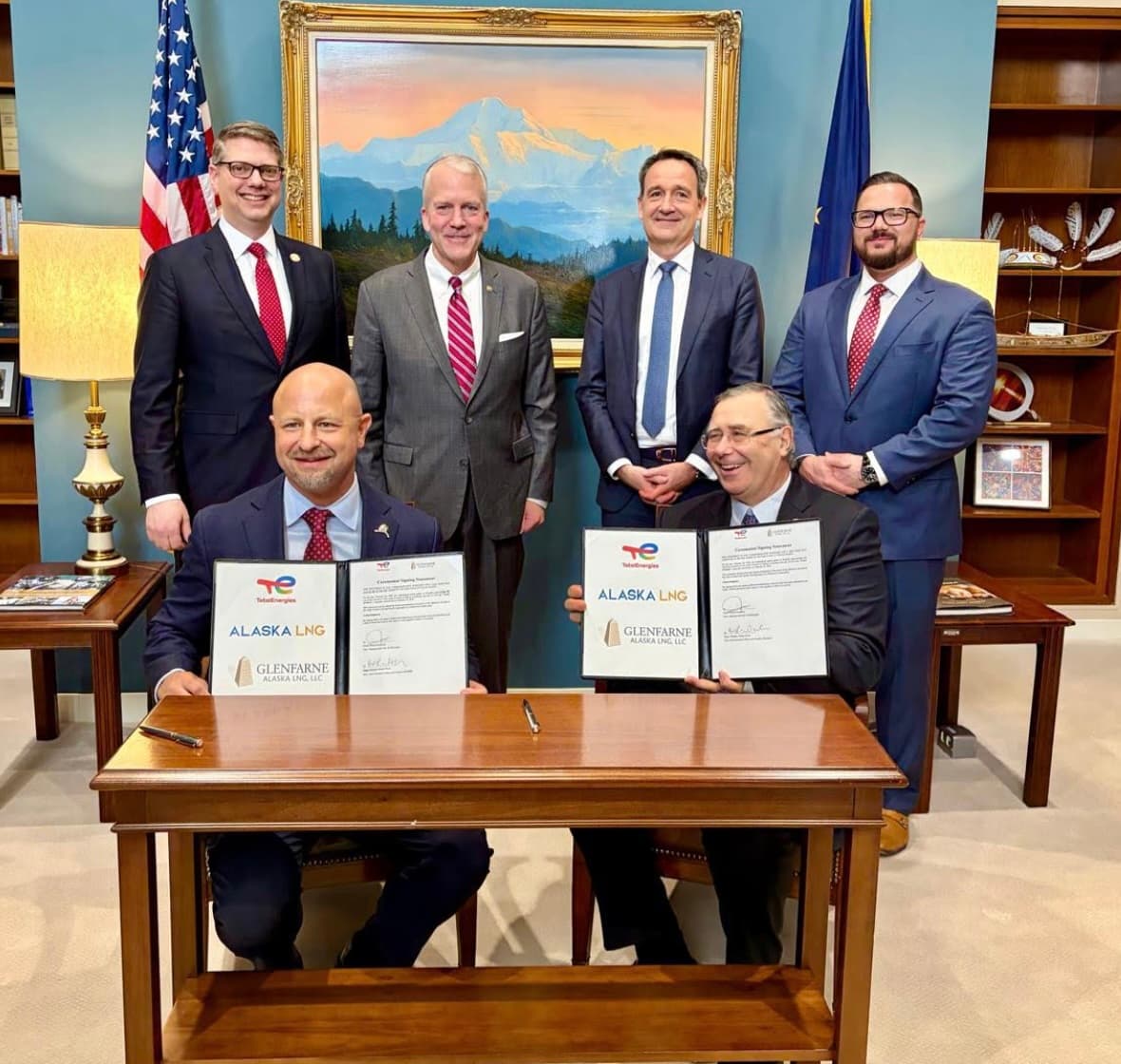
A new labor pact tied to Alaska LNG is aimed at one question that matters from Utqiagvik to Wainwright: who actually gets the work when the pipeline starts moving. At a signing in Chugiak, Alaska’s Building Trades and 8 Star Alaska, a Glenfarne subsidiary, backed a memorandum that says construction and related work on the project should prioritize Alaska hiring, even as the company says the project could generate 12,000 construction jobs and up to 1,000 long-term operations jobs.
The event brought together leaders from the Alaska Petroleum Joint Crafts Council, the Fairbanks Building and Construction Trades Council, the Southcentral Building Trades Council and Glenfarne representatives. Their message was straightforward: a project this large should lean on in-state labor, apprenticeship pipelines and local contractor participation instead of outside firms taking the bulk of the work.
For North Slope residents, the real test is whether that promise reaches borough communities in time to matter. If the project advances, workers in Utqiagvik, Nuiqsut, Wainwright and other villages will need more than a broad hiring pledge. They will need apprenticeship slots, training pathways through Alaska institutions, contractor opportunities for local businesses and a construction schedule that turns the tax debate into actual paychecks rather than just future projections.
That labor push landed a day after the Alaska House passed House Bill 381 by a 34-5 vote and sent it to the Senate on June 12. The bill would replace the current oil-and-gas property tax structure with a different tax on gas flowing through the proposed 800-mile line to Cook Inlet, and Senate Finance hearings were already set for June 15 and June 16. Supporters say the tax changes are needed to keep the project financeable; the sectional analysis also says the North Slope Borough and Kenai Peninsula Borough could receive a share of the state-collected volumetric tax or take an equity interest in lieu of property taxes.

The borough stakes are especially high in Utqiagvik, home to about 10,500 people and the base of North Slope Borough government. Mayor Josiah Patkotak said in March that Governor Mike Dunleavy’s proposed tax break would leave the borough about $12 billion short under the new structure compared with current law. The Alaska Department of Revenue has estimated the tax swap could cut municipal property-tax revenue by roughly 90% at full buildout, while Glenfarne’s spring project-benefits materials put North Slope Borough new-development property tax at $1.692 billion.
A 2018 Alaska LNG workforce plan said the project was meant to maximize Alaska hire and would be updated as the project evolved. For North Slope communities, that still leaves the same unanswered local-jobs test: whether the gasline becomes a source of steady work, or only a promise attached to a tax bill.
This article was produced by Prism’s automated news system from verified source data, official records, and press releases, then run through automated quality and moderation checks before publishing. The system is built and supervised by the people who set the standards it runs under. Read our full AI policy.
Did this article answer your question?