Lawmakers weigh $7.2 billion subsidy for Alaska LNG pipeline
Lawmakers are weighing a $7.2 billion tax cut for Alaska LNG, with North Slope jobs and tax revenue on one side and years of lost revenue on the other.
$7.2 billion in reduced state taxes is the price Gov. Mike Dunleavy is asking lawmakers to consider for Alaska LNG, a deal that could bring work to the North Slope but also lock Alaska into decades of forgone revenue if the pipeline never reaches the finish line.
The governor’s proposal would spread the tax break over 36 years to help finance construction of the proposed trans-Alaska gas pipeline. For North Slope communities, the immediate upside is straightforward: construction jobs, contractor work, and the chance that major energy infrastructure keeps flowing through the borough instead of bypassing it. The downside is just as clear. If the project stalls again, residents could be left with the fiscal risk while the expected jobs, gas sales, and long-term tax stability never arrive.
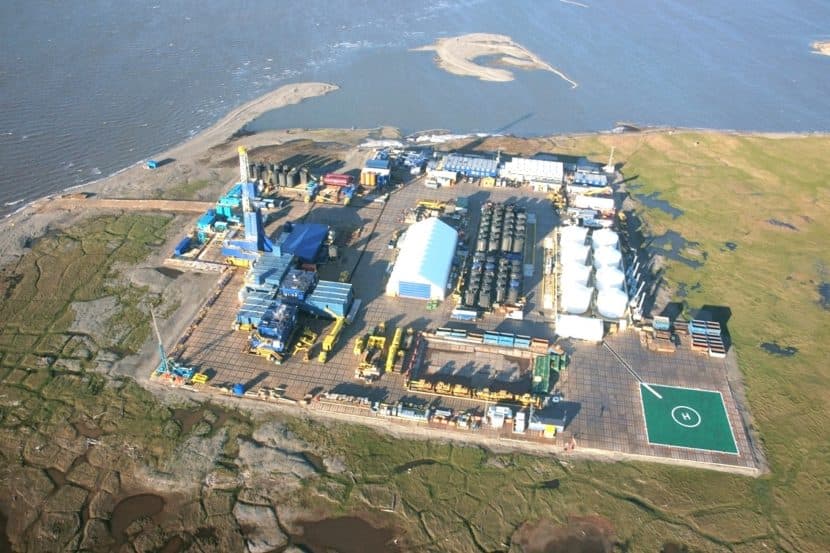
The project is being sold now as a two-phase development. Phase One would build an 807-mile line from the North Slope to the west side of Cook Inlet for in-state use, with a tie-in to existing natural gas infrastructure around Anchorage. Phase Two would extend the pipeline to the Kenai Peninsula and add an LNG export terminal. Glenfarne says Phase One is aimed at mechanical completion in 2028 and first gas in 2029.
That schedule is still being weighed against an unsettled financial picture. Glenfarne, which became the lead developer after the Alaska Gasline Development Corporation sold 75% of the project to it in 2025, says it has executed multiple gas-sales agreements with North Slope producers. But Alaska lawmakers still had few firm facts in hand as they considered the subsidy, and there was no public agreement yet with the North Slope gas producers or with state labor unions.
The debate also reaches beyond the pipeline route itself. Five Alaska mayors have already raised concerns about how the tax break would affect their communities. Dunleavy’s bill would eliminate property taxes and other local taxes for Alaska LNG, replacing them with a volume-based tax once production starts, a shift that could strip local governments of revenue for years before any gas begins to move.
Supporters argue that Alaska must make the project attractive enough for investors if it wants the line built at all, especially with Cook Inlet gas supply tightening and the state still relying on an expensive project that was once pegged at roughly $44 billion. Skeptics say that before the state gives up more revenue, it should know more about the true cost and the depth of private commitment.
For North Slope Borough, the decision is not about an abstract energy plan. It is about whether public money helps launch a new long-term industrial corridor, or becomes another subsidy for a gas line that never delivers the jobs, tax base, and stability it promised.
This article was produced by Prism’s automated news system from verified source data, official records, and press releases, then run through automated quality and moderation checks before publishing. The system is built and supervised by the people who set the standards it runs under. Read our full AI policy.
Know something we missed? Have a correction or additional information?
Submit a Tip